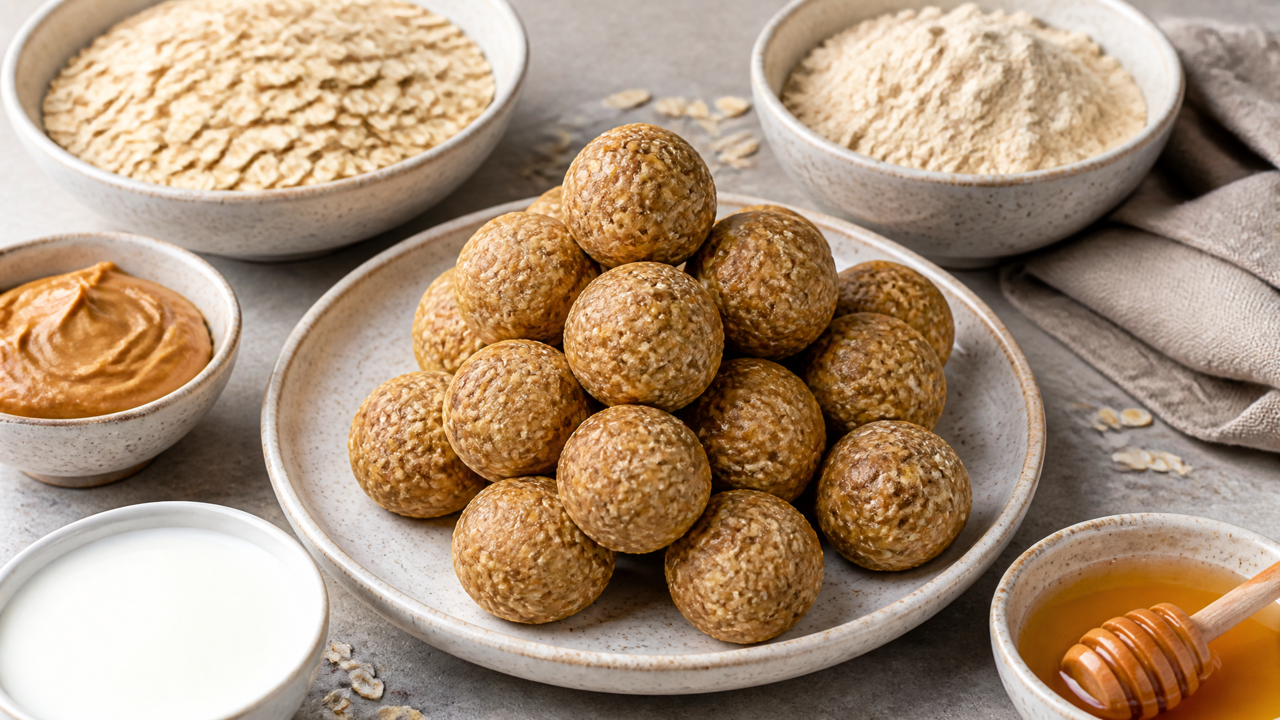

The link between dinner and weight gain is one of the most searched topics online. Many beliefs circulate around questions like “After what time should you stop eating?” and “Are carbs completely off-limits at dinner?” Yet for many people, the outcome is shaped less by a single cutoff time and more by the day’s overall balance, portion size, what the meal contains, and the entire evening routine.
Does Eating Dinner Cause Weight Gain? The Most Common Myths
Let’s start with the most common myth: “Eating dinner makes you gain weight.” Dinner on its own may not automatically mean weight gain; factors such as total energy intake across the day, activity level, sleep duration, and stress can all change the picture. For some people, a routine that combines late eating with very large portions and high-calorie snacks can unintentionally increase overall intake—so it may look like the result is “because of dinner.”
What Time Should You Eat Dinner? Late Meals and the Sleep Window
The “don’t eat after 6 p.m.” approach may not fit every lifestyle. For someone who works late, trains, or can’t eat adequately during the day, stopping too early can trigger uncontrolled snacking later at night. For many people, a more practical approach may be to finish the main meal 2–3 hours before bed and, if it ends up being late, keep the portion lighter.
Portion Control and Ways to Balance Your Dinner Plate
One of the most critical factors at dinner that can support weight management is portion size. Especially when meals are irregular during the day, it’s easy to develop a tendency to “make up for it” at dinner. For that reason, rather than piling the plate high all at once, eating slowly, giving fullness cues time to register, and—if needed—going with a “main dish + small side” approach may help some people maintain a more sustainable balance.

When it comes to meal composition, instead of a hard line like “if you eat carbs, you gain weight,” the type and amount of carbohydrate may be more decisive. Choices such as white bread, pastries, and sugary desserts can be easy to overeat, which can make portion control harder in the evening. By contrast, bulgur, oats, whole grains, legumes, or vegetable-forward plates may help some people feel full for longer and build a more balanced evening routine.
Including protein and fiber at dinner generally makes things easier. A range of protein sources—from eggs and yogurt to fish and chicken, and from legumes to cheese—can support fullness when paired with fiber-rich sides like vegetables and salad. This may help reduce nighttime snacking and, indirectly, support weight management.
Fat is another topic that’s often misunderstood: rather than eliminating fat entirely, it may make more sense to manage the type and amount. Fried foods, very oily sauces, and oils added by eyeballing can quickly raise the evening’s total because they’re calorie-dense. Options like olive oil, avocado, and nuts offer a more balanced profile, but if portions increase, the outcome can still change.
Reducing Nighttime Snacking: Hunger or Habit?
It’s also important to distinguish late-night cravings from true hunger. For some people, the urge to eat after dinner can be driven by not eating enough earlier in the day, thirst, stress, or habit. In those situations, small routines—like drinking water first, taking a short walk, occupying yourself with a warm herbal tea, or brushing your teeth—may help break the “automatic snacking” cycle.
A “sample plate” approach can be a practical option for dinner. For many people, building the plate as half vegetables (salad, vegetables cooked with olive oil, boiled/grilled vegetables), one quarter protein (fish, chicken, eggs, legumes, yogurt), and the remaining quarter as needed with complex carbohydrates (such as bulgur, whole grains, potatoes) can provide a balanced framework. Because it makes portions easier to manage visually, this setup can be useful.
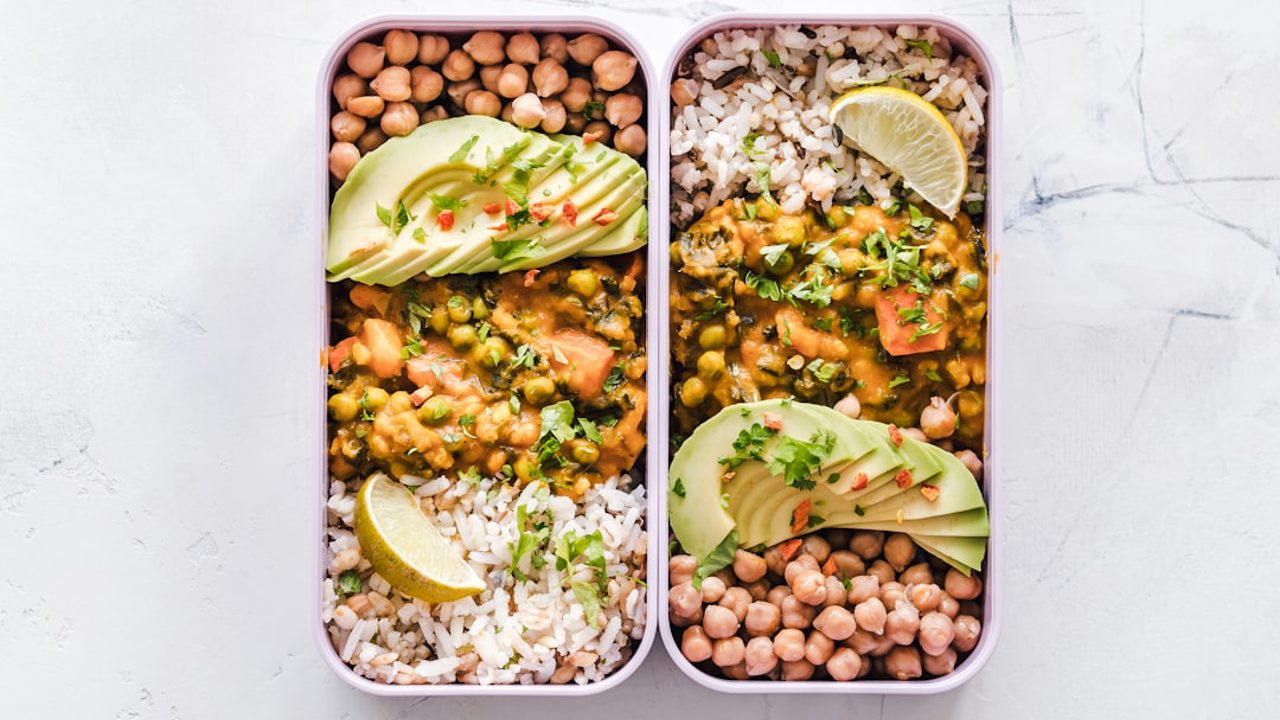
One “light but filling” dinner option could be a combination such as a large seasonal salad + yogurt/ayran (a salted yogurt drink) + either grilled chicken or a chickpea salad. Thanks to the protein and fiber, this kind of meal may provide more stable fullness through the night for some people. If you add bread or rice, keeping the amount small and choosing whole grains may help maintain balance.
Another example, for those who want a hot meal, could be a vegetable-forward pot dish (for example, vegetables cooked with olive oil or a legume dish) + yogurt on the side and a small whole-grain accompaniment. Since total energy can rise when the amount of sauce, oil, and bread increases on a plate like this, it becomes important to watch quantities while still preserving flavor.
If dessert cravings are common in the evening, it may work better to manage them with a “plan” approach rather than a “ban.” For some people, an in-between option such as fruit + yogurt can reduce the tendency to reach for sugary packaged products. Still, because portion size and frequency can vary from person to person, it’s useful to observe the routine that helps you feel better.
Sleep, Stress, and Dinner’s Effect on Weight
Sleep and stress can also change how dinner affects you. Inadequate sleep can increase appetite in some people—especially the pull toward high-calorie foods. That’s why the question “what we eat at dinner” may lead to more consistent outcomes when paired with lifestyle steps such as keeping sleep times as regular as possible, reducing screen time, and adding short movement breaks into the day.
In summary, rather than looking for a single miracle food or one strict time rule to avoid gaining weight in the evening, it may be more realistic to focus on three areas: not eating a heavy meal too close to bedtime, managing portion size, and building the plate around protein and fiber. When you establish a time window and a sustainable plate pattern that fit your daily schedule, dinner can become a calmer, more manageable meal for many people.
If you’d like, briefly share your daily routine (bedtime, when you get home from work, whether you train, and which hours your evening hunger tends to increase). Based on that, I can share more personalized—still general—suggestions with different dinner plate examples for “people who get home late” or “early sleepers.”