
Setting a goal often makes for an exciting start; what’s truly challenging is staying consistent on the way to that goal. Mental resilience can be seen as a skill that helps you regroup and keep going even when motivation fluctuates. Practices such as building routines, using notifications intentionally, and doing weekly planning may also help bring this skill into everyday life.
Improving Consistency by Defining Your Goal Clearly and Flexibly
The first step in developing mental resilience is to place your goal within a clear but flexible framework. Goals that are very large and vague can weaken your sense of progress and make them harder to sustain over time. Instead, goals that answer questions such as “What will I do, how often will I try, and under what conditions?” can make it easier to stay focused. For some people, tying the goal to a specific behavior can reduce outcome-focused pressure and support consistency.
Reducing Decision Fatigue with Mini-Routines
When it comes to consistency, the strength of routines may lie in how they reduce decision fatigue. Rather than asking yourself every day, “When will I start, and how?”, it may help to create mini-routines that begin within a set time window or in response to a specific cue. For example, small pairings—like reading for 10 minutes after coffee, or reviewing your plan for 5 minutes when you turn on your computer—can help make the habit feel more “automatic.”
To keep routines sustainable, it is often helpful to reduce the goal to the smallest workable step. Mental resilience may be less about performing at a high level every day and more about being able to maintain a “minimum level of consistency” even on low-energy days. For that reason, defining a “Plan B” for difficult days—such as doing 5 minutes instead of 30—may help reduce drop-offs.
Using Notifications Intentionally: Creating Reminders Without Disrupting Attention
If notifications aren’t set up well, they can fragment your attention and create resistance; when thoughtfully designed, they can serve as reminders and gentle guidance. The goal here may be less about frequent nudges throughout the day and more about creating one or two strong triggers that make it easier to initiate action. For some people, reminders at a fixed time may be more useful; for others, alerts tied to location or an existing routine may work better.
Designing notifications not as pressure about “what should I do?” but as a “signal that reminds you to start” can also reduce mental load. Keeping the message short and clear—or even explicitly stating the action (for example, “open a draft for 5 minutes”)—may reduce indecision. At the same time, when notifications from many apps are enabled, it’s easy to lose a sense of priority; leaving space only for what truly matters can support focus.
Building Flexibility Through Weekly Planning and “Deciding in Advance”
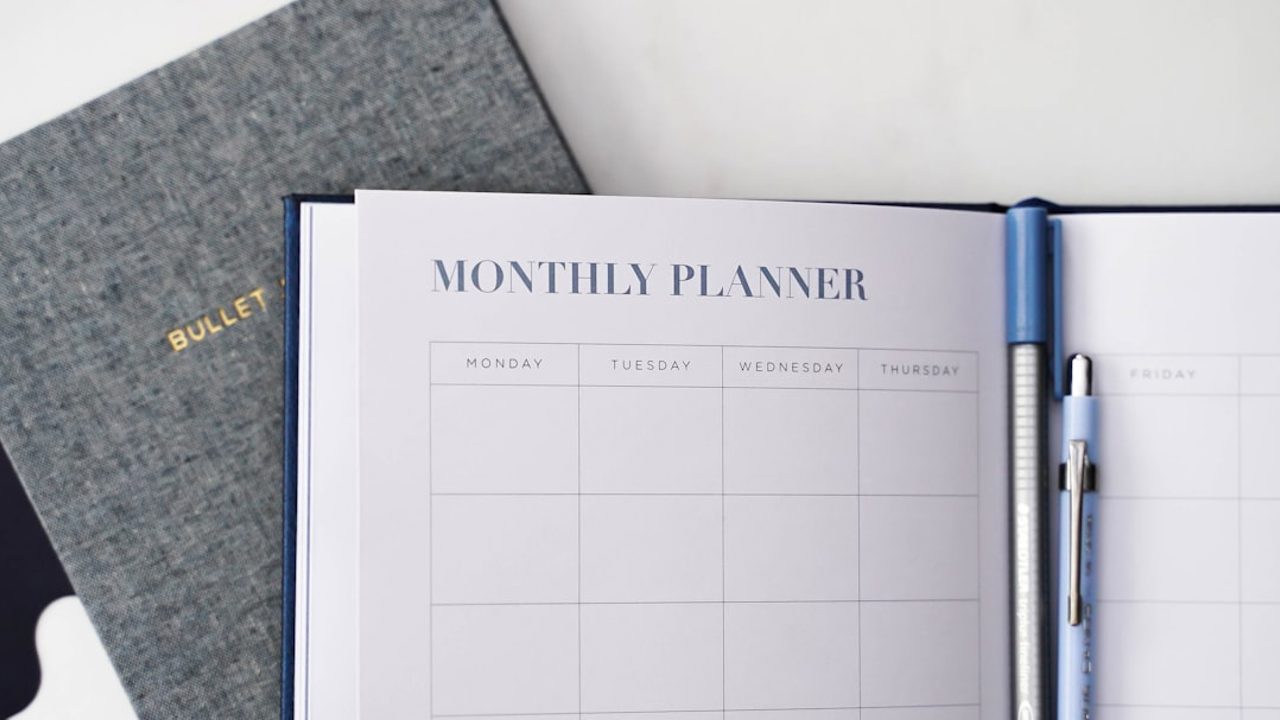
Weekly planning can become a kind of “deciding in advance” tool when it comes to resilience. Setting time blocks at the start of the week can help you know where your goal will fit, even on busy days. It’s also important to build buffers into the plan, so that when unexpected tasks come up, the entire structure doesn’t collapse and there’s still room to flex.
To make a weekly plan more practical, it may help to think in two layers: a “minimum goal” and an “ideal goal.” That way, when your energy and time allow, you can follow the ideal scenario; when things feel difficult, you can maintain momentum by sticking to the minimum level. This approach can soften “all-or-nothing” thinking and strengthen consistency.
Tracking and feedback are another factor that can support mental resilience, because people often recognize progress only once it becomes visible. Instead of very detailed tracking, even a brief review once a week may be enough. Questions like “What did I do? What made it difficult? What can I make easier next week?” can shift the process from guilt toward a learning mindset.
During periods when motivation dips, reminding yourself of the “why” may help, but it may not be enough on its own. This is where environmental design comes in: small changes—such as simplifying your workspace, keeping necessary materials in sight, and moving distractions out of reach—can lower the barrier to starting. As starting becomes easier, continuing often becomes more possible for many people as well.
Finally, it’s important to remember that mental resilience doesn’t form overnight; it grows stronger through repeated attempts. Routines can reduce the decision burden, notifications—when used well—can make it easier to get started, and weekly planning can help you get back on track on up-and-down days. Small but steady steps can, over time, help you build a more solid foundation for goal-setting and consistency.