
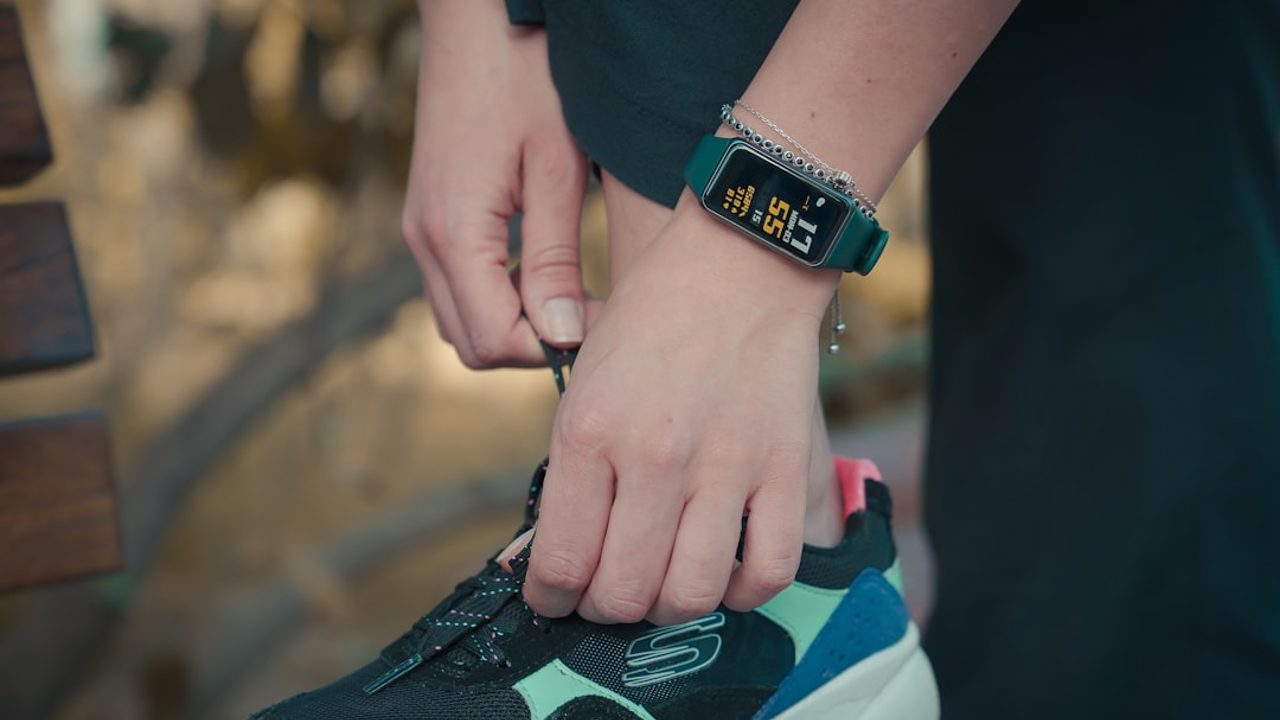
Why is walking technique important?
Although walking is a form of movement that most people can easily add to their lives, “how we walk” can be at least as important as “how much we walk.” Technical details such as stride length, cadence (steps per minute), and foot strike pattern can affect the load placed on the joints, how the muscles work, and the comfort you get from walking. For this reason, understanding walking technique can help establish a more comfortable and sustainable routine.
The main purpose of walking technique analysis is to catch clues that can make the body’s load distribution more balanced. The hips, knees, ankles, and lower back area in particular are closely related to the angle at which the step lands, push-off force, and rhythm. Since every body is different, instead of a “single correct” way, finding a personalized and controlled walking pattern may be a more realistic approach.
How is stride length adjusted?
Stride length refers to the distance from the point where one foot contacts the ground to the next contact of the other foot. Overstriding can cause the foot to land too far in front of the body in some people and increase the braking effect. This can create mechanics that may increase the feeling of load around the knee and hip; shorter but fluid steps can sometimes support a smoother transfer of load.
However, evaluating stride length only in terms of “shortening” or “lengthening” may not always be sufficient. Factors such as height, leg length, flexibility, and the surface you walk on naturally affect step distance. As a practical observation, keeping the torso upright, letting the step flow forward without rushing, and maintaining a controlled swing from the hips can help many people find a more comfortable pace.
What is cadence (step rhythm), and how is it measured?
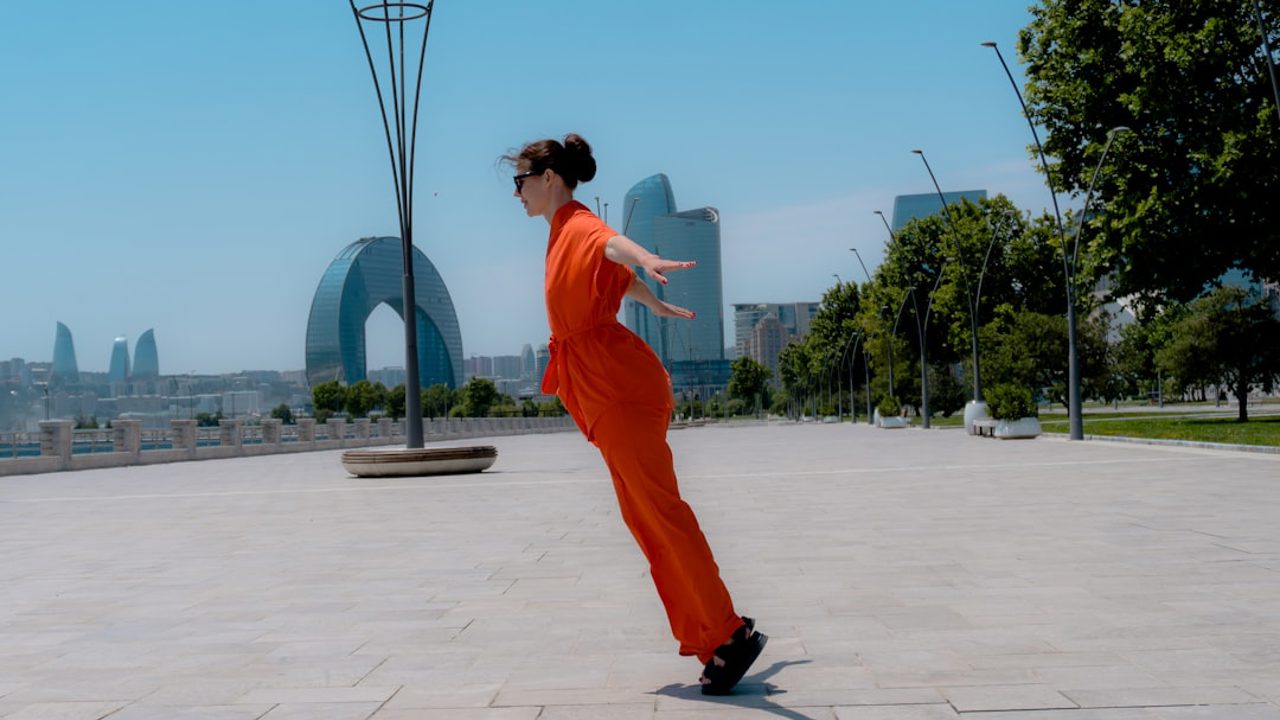
Cadence is the number of steps taken per minute and represents rhythm. Increasing cadence usually goes along with a slightly shorter step; this may, in some cases, help distribute the load from each foot strike more evenly. On the other hand, trying to raise cadence quickly can disrupt breathing or increase the feeling of fatigue along the calf–ankle line; therefore, gradual changes may be better tolerated.
A practical way to understand cadence is to count how many times one foot hits the ground for 30 seconds and multiply by two. This way, you can roughly see your natural rhythm and make small adjustments without pushing yourself. Another tip about rhythm is the talk test: being able to form short sentences while walking may indicate the pace is manageable for most people; getting out of breath may suggest the speed or rhythm is too much.
What does foot strike and landing harshness affect?
Foot strike describes the order and which part of the foot contacts the ground. In most walking, heel contact followed by a roll from the midfoot toward the toes is seen; however, this flow is not the same in every individual. Excessive rolling of the foot toward the outer edge or inward (sometimes described as “overpronation/supination”) can affect ankle and knee alignment; over time, this can create a feeling of tightness or fatigue in certain areas.
The “harshness” of landing is also an important part. A hard heel strike can increase vibration, especially when walking on hard surfaces; trying to step more controlled and quietly may help some people absorb impact better. The goal here is not to walk on tiptoes; it is to find a feeling that keeps foot contact softer and balanced under the body.
Posture, arm swing, and safe technique trials

Torso posture and arm swing can be as determining as stride length and cadence. A slight forward lean (not bending at the waist, but very slightly from the ankles) can support fluidity for some people, while lifting the shoulders upward can increase tension in the neck and upper back. A natural arm swing can help regulate walking rhythm; clenching the hands or tensing the shoulders can lead to unnecessary energy expenditure.
When evaluating walking technique, making small experiments is often safer. For example, you can try shortening your step slightly and increasing the rhythm just a little for a few minutes, then return to normal walking and feel the difference. Likewise, focusing on stepping more quietly can change the perceived load along the hip and knee line; such mini-experiments can make it easier to find the setting that suits you.
If there is pain or a noticeable feeling of discomfort, instead of forcing a change in technique, it may be more appropriate to reduce the load and, if necessary, get support from a professional. Since shoe choice, sole structure, and walking surface also affect foot strike, commenting solely on “form” may sometimes be incomplete. Especially new pains that start with new shoes or one-sided strains may require reviewing equipment and habits together.
In conclusion, stride length, cadence, and foot strike are three core elements that shape walking comfort and how the body shares load. If you are curious about your own walking, taking short videos, counting rhythm, and noting the signals your body gives at different speeds can be a good start. With small, gradual adjustments, it can become possible to build a more fluid, more comfortable, and sustainable walking routine in the long term.