
Working on your feet all day can bring complaints such as a feeling of heaviness in the legs, aching in the soles of the feet, and swelling that increases by the end of the day. Although this may not occur in the same way for everyone, a work routine that is close to prolonged immobility can strain circulation and increase discomfort. Small but regular habits can help reduce the load during the day and support feeling more comfortable.
Why Do Varicose Veins and Edema Increase?
Varicose veins are generally a change in appearance and sensation that becomes noticeable as the leg veins are strained over time. Especially standing for long periods can create an environment prone to blood pooling in the legs due to gravity. When factors such as genetic predisposition, weight changes, pregnancy, and working conditions come together, varicose vein–like symptoms can emerge more easily in some people.
Edema is often noticed through clues such as increased swelling around the ankles at the end of the day and shoes feeling tight. Staying in the same position for a long time can affect fluid balance because it can reduce the pumping effect of the muscles. Hot environments, salty eating, and insufficient water intake can also be counted among factors that may increase the feeling of swelling.
Possible Causes of Foot Pain
When it comes to foot pain, the picture is more varied: When a tendency toward flat feet, insufficient arch support, hard flooring, unsuitable shoes, and overuse combine, tenderness can develop in the sole, heel, or around the metatarsal bones. In some people, pain is more pronounced with the first steps in the morning, while in others it may be felt as an ache that increases as the day goes on. This difference is important for understanding the source of the problem and personalizing the approach.
Micro-Movement and Posture Tips That Support Circulation During the Day
One of the most effective supports during the day can be the habit of “micro-movements.” Even a few minutes every hour—changing position, taking a short walk down a corridor, or shifting your weight from one leg to the other where you stand—activates the leg muscles. In this way, the muscle pump that makes the veins’ job easier can work more actively, and the feeling of heaviness may ease somewhat.
Locked knees and shoulders that slump forward without being noticed during work can also increase complaints. Without locking the knees too rigidly, distributing weight as evenly as possible on both feet, keeping the hips slightly active, and straightening the torso can help spread the load more evenly. Even a simple posture adjustment can help reduce the fatigue that accumulates in the legs by the end of the day.
Improving Comfort Through Shoe, Insole, and Flooring Choices
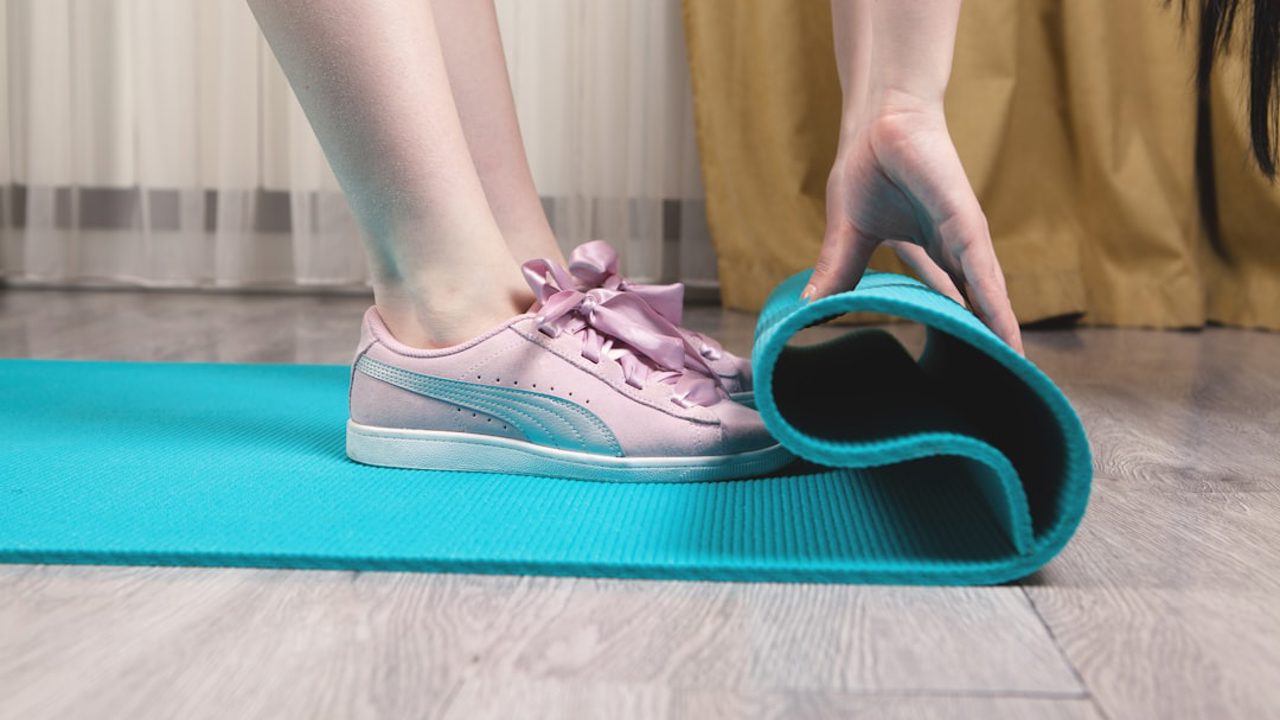
Shoe choice is another topic that can have a noticeable effect on foot pain and edema. Models that do not squeeze the front of the foot, grip the heel area well, and have a flex point that matches the foot’s natural bending line can generally feel more comfortable. Since very flat, very hard, or excessively soft soles may reduce comfort for some people, finding the right balance for the surface and the duration of work can be important.
Insoles or supportive inserts can help reduce pain in some people by carrying the arch of the foot better. Still, since not every foot needs the same support, looking for an option that matches the foot structure and the shoe’s fit rather than choosing a random product can yield better results. If there is long-lasting and significant pain, consulting a professional to determine the appropriate support is a safer approach.
Softening the work surface also stands out as a practical adjustment. If possible, using an anti-fatigue floor mat in areas where you stand in the same spot for long periods can help reduce the impact on the sole of the foot. For people who have to work on hard flooring all day, even this small change can increase comfort.
End-of-Day Relief, Nutrition, and When to See a Doctor
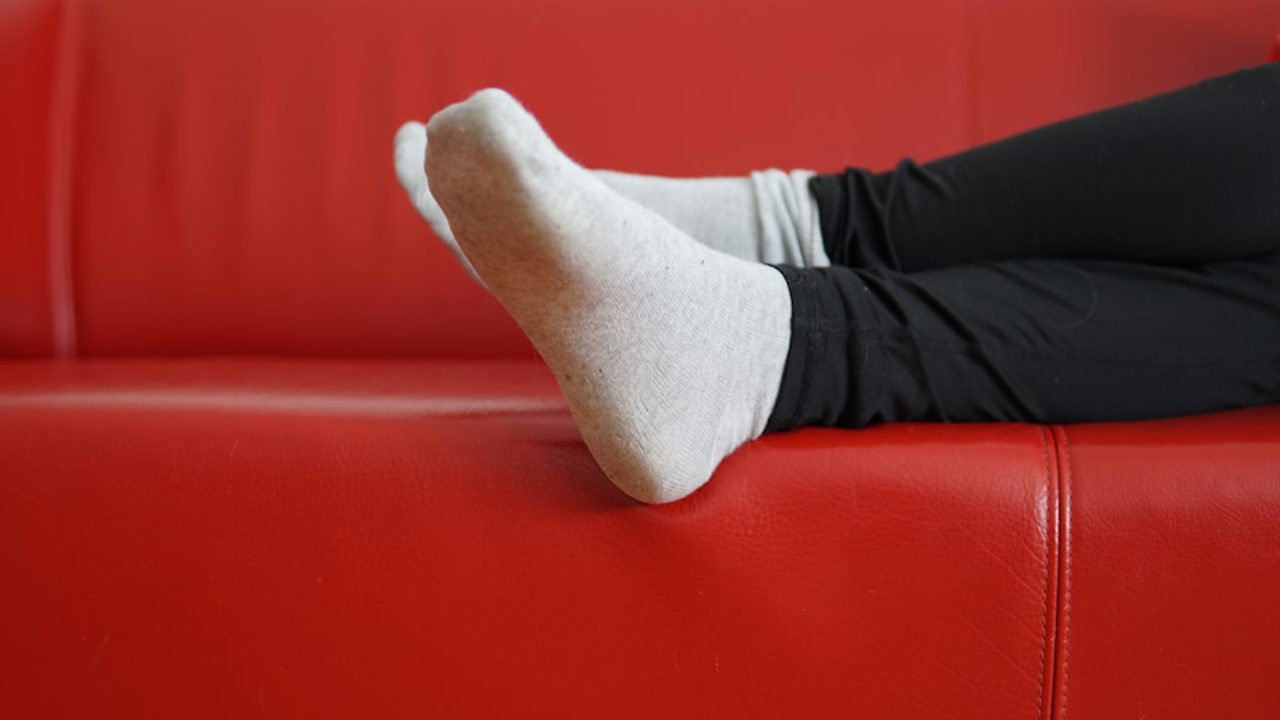
At the end of the day, lying down briefly with the legs raised slightly above heart level can be seen as a supportive method for reducing swelling and the feeling of heaviness. During this time, slowly moving the ankle up and down or making circles can help maintain joint mobility and stimulate circulation. Some people may feel noticeable relief with a 10–15 minute rest.
Cold applications can also be soothing, especially on hot days. After a warm day, briefly rinsing the feet with cool water in the shower or supporting with a compress that feels cold may help reduce the feeling of heaviness. To avoid irritating the skin, it is generally more suitable for comfort to avoid overly cold and prolonged applications.
Nutrition and fluid balance can be more effective on a tendency toward edema than you might think. Spreading water intake throughout the day, reducing overly salty and highly processed foods, and including potassium-rich fruits and vegetables may ease the feeling of swelling in some people. Especially at a fast pace, drinking water before you feel thirsty can become a more sustainable habit.
People with a tendency toward varicose veins may also find relief by being more mindful about sock selection. A correctly sized sock that supports the legs during the day may help reduce the feeling of heaviness in some people. However, since the appropriate option can vary for each person, getting advice from a healthcare professional about proper use and selection may be beneficial.
To use rest hours more efficiently, short stretching routines can be added. Gently stretching the calf muscles, rolling the sole of the foot over a soft ball, or opening and closing the toes can help reduce tension in the tissues. If the pain becomes sharp during stretching, letting go without forcing it is generally a more appropriate approach.
Finally, some signs may require more careful evaluation. In cases such as sudden pronounced swelling in one leg, redness, increased warmth, pain that makes walking difficult, wounds on the skin, or shortness of breath, it is important to apply to a healthcare facility without delay. Although such symptoms do not always indicate a serious problem, professional evaluation offers a safe path.
In summary, for those who work standing for long periods, the appearance of varicose veins, edema, and foot pain can often increase due to a combination of daily habits. Steps such as small movements spread throughout the day, choosing appropriate shoes and flooring, resting the legs in the evenings, and paying attention to the fluid-salt balance can help reduce complaints. By following the signals your body gives and making the strategies that work for you consistent, you generally support the most sustainable results.