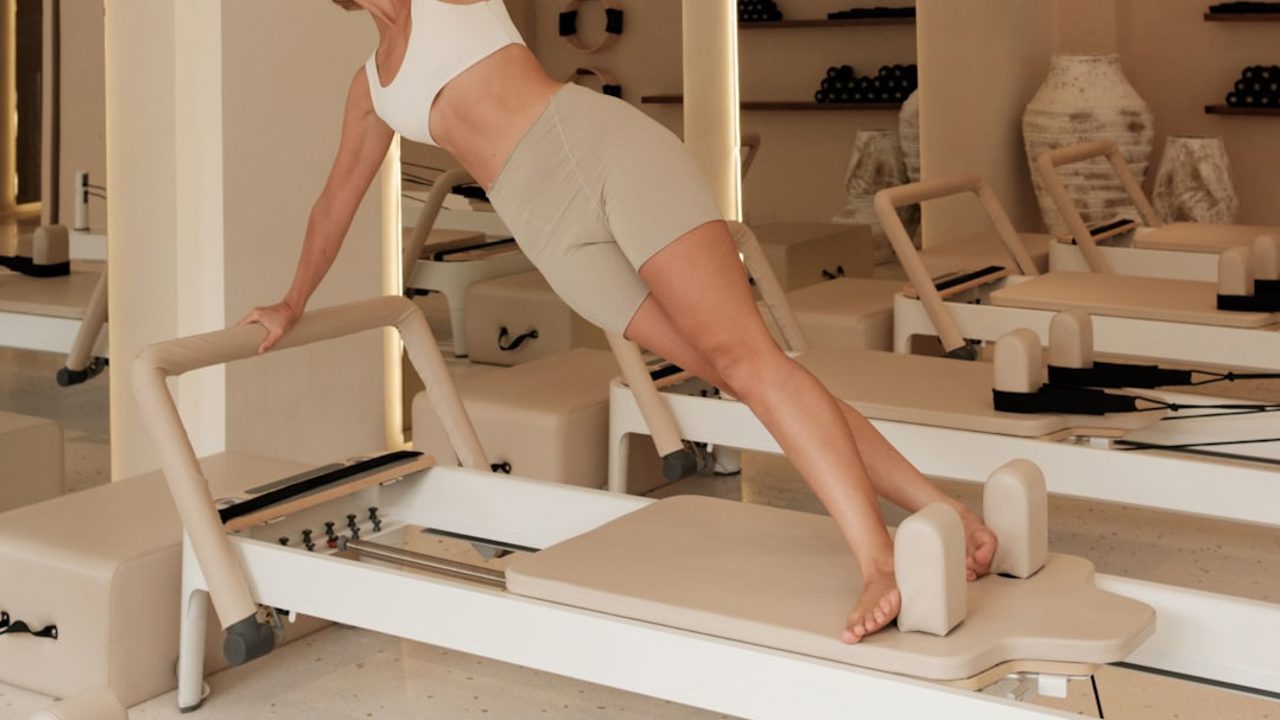
Experiencing a “pinching” sensation or deep pressure in the hip area during Pilates, yet still not being able to feel your hip muscles (glutes) sufficiently, can be a very common experience. Sometimes, even if the movement looks correct, the load can shift to the front of the hip joint or around the lower back. This guide aims to make glute activation easier to understand and to explain which cues can help during exercise.
Why Does the Hip Pinching Sensation Happen, and When Should You Be Cautious?
The sensation of hip pinching most often appears at the front of the hip joint, in an area close to the groin line. In some people this may be due to the hip flexors (especially in those who sit a lot during the day) working dominantly; in others, it may develop because range of motion and control exceed that day’s capacity. If the sensation turns into pain, becomes sharp, or persists after the movement, it may be safer to scale the exercise down and seek an expert opinion.
Compensations That Disrupt Glute Activation: Hamstrings and Lower Back Kicking In
One common factor that makes it difficult to feel the glute muscles is “compensation,” meaning the body shifts the work to other muscles. For example, in bridge-like movements, hamstrings cramping and taking over, the lower back arching too much, or the ribs flaring forward can reduce glute engagement. The goal may not be to do more reps, but to achieve a cleaner pattern with fewer reps.
In Pilates, the key that increases glute activation is keeping the pelvis and trunk stable. When excessive space forms in the lower back, the load tends to shift toward the back muscles; when the pelvis tucks “in” too much, the movement may be driven not from the hips but from the lower back and the front of the upper thigh. Using the breath to soften the ribs, gently gather the lower abdominal area, and keeping the hips “long” rather than “squeezing” them yields better results for some people.
A practical approach that can help reduce hip pinching is to shorten the range of motion. For example, in a bridge, instead of lifting the hips all the way to the top, staying in the mid-range where you feel the glutes working may be more comfortable. The same logic applies to leg lifts and hip-opening movements; a smaller but controlled angle can reduce the feeling of joint pinching for some people.
Cues for Feeling the Right Muscle: Where Should the Glutes Be Working?
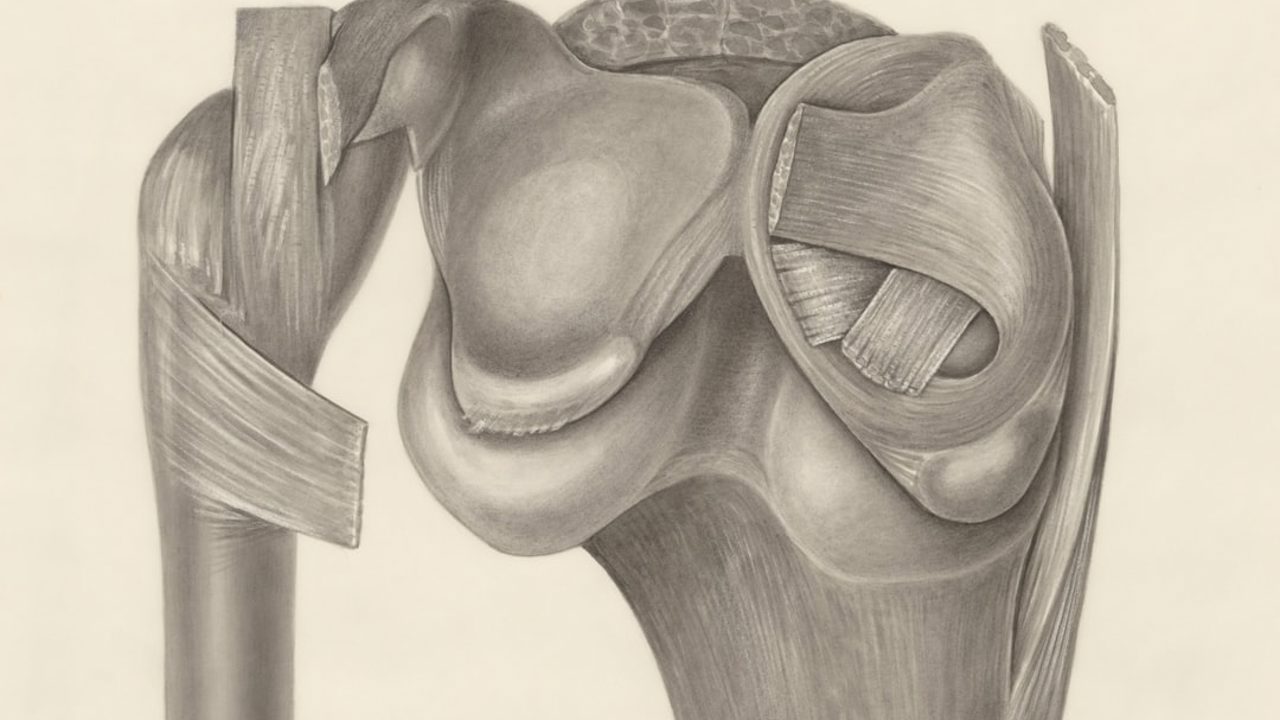
“Feeling” cues are important for finding the right muscle. The glutes are generally felt on the back-outside of the hip, especially slightly below the hip bone and toward the outer side. If the sensation gathers more in the groin, the front of the thigh, or along both sides of the lower back, you may need to readjust the movement direction and body alignment. Placing your hand on the outer-back part of the hip and performing the movement more slowly can make it easier to notice the muscle engaging.
Alignment and Foot Pressure Adjustments: Foot, Knee, and Hip Position
How you press through the feet can also affect activation. In a bridge, if the feet are too far forward, the hamstrings may dominate; if they are too close, the feeling of load in the knee and the front of the hip may increase. Softly spreading the sole into the ground through three points (heel, base of the big toe, base of the little toe) and not allowing the knees to collapse inward can support the glutes’ “guiding” role.
The alignment of the knees and hips is especially decisive in side-lying and clam-like movements. When the knees drift forward, the work can shift to the front-side line of the thigh rather than the outer hip. Keeping the knees aligned with the hips, reducing the lower back tipping to the sides, and starting the movement without opening too wide can help you feel stabilizer muscles like the gluteus medius more clearly.
The lower back kicking in is another situation where the glutes “go quiet.” If, when lifting the hips, you feel pinching in the lower back or an intense burning in the back muscles, keeping the ribs down and soft and thinking of the tailbone as long can help. Instead of a brief pause at the top of the movement, choosing a controlled up-and-down rhythm can reduce lower-back load for some people.
Increasing Glute Activation with Preparation, Band Use, and Mental Focus
When the hip flexors are dominant, a short preparation routine before exercise can be helpful. For people who experience tightness due to sitting all day, gentle mobilizations that relieve the front of the hip and low-intensity activation attempts (for example, very small bridges, light pushes into a wall) can support the glutes “waking up.” The aim here is not to force stretching, but to prepare the body for movement.
Using a band can also make it easier for some people to find the right muscle; however, a “burning” sensation from the band may not always mean the correct muscle is working. If the band is too stiff or you’re working at a wider angle than necessary, the feeling of hip pinching can increase. Progressing with lighter resistance, a shorter angle, and without losing alignment generally offers a more sustainable experience.
Mental focus (mind-muscle connection) in glute activation is more effective than you might think. Instead of the cue “squeeze your glutes,” more functional images like “slide the thigh bone back in the hip socket” or “make the heel heavier into the floor” work better for some people. Also, rather than checking in the mirror, observing the flow of the breath and the steadiness of the trunk can improve movement quality.
It is also important to distinguish which sensations are normal and which may be warning signs. While feeling work, warmth, and controlled fatigue in the muscles is often expected; a stabbing sensation inside the joint, sharp pain, discomfort accompanied by clicking, or soreness that increases after the movement may require a more cautious approach. In such cases, modifying the movement, reducing intensity, and, if needed, evaluating it with a physiotherapist or instructor can be supportive.
In Pilates, reducing hip pinching and feeling the glutes better usually becomes possible with small adjustments: shortening the range of motion, carrying the pelvis and ribs in a more balanced way, adjusting foot pressure, and doing controlled-tempo repetitions. Over time, the body can learn a more efficient pattern, and the feeling of “working in the right place” can become more distinct.
If you’d like, write which movements (bridge, clam, side kick, squat-like, reformer footbar work, etc.) you experience hip pinching in and where the sensation concentrates; based on that, we can move forward together with more targeted cues and safe modification options.