
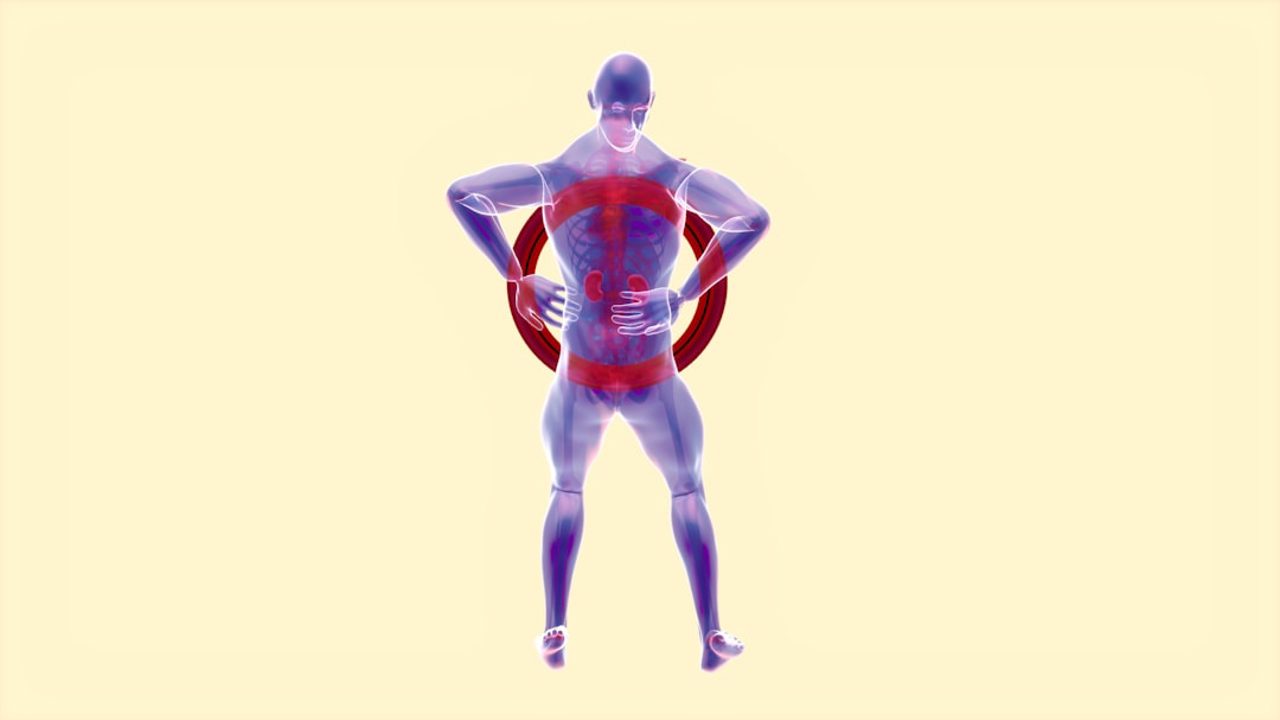
The breath we take throughout the day without even noticing it can affect the body’s posture and sense of comfort more than we might think. In particular, how effectively the diaphragm is used can change the movement of the rib cage, the position of the shoulders, and how the load is shared in the lower back–hip area. For this reason, breathing exercises are often approached not only for “relaxation,” but also as a support that increases body awareness.
How does diaphragmatic breathing work?
The diaphragm is a muscular structure located between the chest cavity and the abdominal cavity, moving up and down as you inhale and exhale. When you inhale, the diaphragm moving downward can create room for the lungs to expand more comfortably; during this, a gentle sense of expansion in the abdominal area is common. When you exhale, as the diaphragm gathers upward, the balance of pressure inside the trunk changes, and in some people a perception of a more “collected” posture may emerge.
The effect of shallow breathing on shoulder and neck tension
In daily life, in situations such as stress, spending long periods in front of a screen, or anxiety, breathing can shift more to the upper chest. With this kind of shallow breathing, while the upper part of the ribs works a lot, the shoulders may tend to rise without awareness. The elevation of the shoulders and the neck muscles accompanying the breath can, over time, create a tendency to increase the feeling of tension along the neck–shoulder line.
A more balanced engagement of the diaphragm can support the trunk’s “center” area moving rhythmically together with the breath. The abdomen, side ribs, and waist area expanding and gathering in harmony with the breath may help reduce unnecessary contraction of the muscles around the spine in some people. This can be associated with an effect similar to a more natural lengthening in posture and the shoulders settling back and down.
The relationship between breathing and posture: Rib cage, ribs, and alignment
To understand the breathing–posture relationship, it can be helpful to look at the position of the rib cage. When you constantly breathe from the upper chest, the ribs may tend to stay higher and forward; this can be accompanied by a more pronounced lower-back arch and the ribs remaining “open.” With softer, broader breaths using the diaphragm, since the ribs’ up-and-down movement can be distributed more evenly, alignment of the trunk may feel easier for some people.

Pain, however, is often not due to a single cause; many factors such as sleep, overloading, inactivity, stress, and musculoskeletal imbalances can come together. Still, the calming effect of breathing on the nervous system may help reduce the “tension” component that accompanies pain in some people. Especially since the feeling of tightness around the jaw, neck, back, and lower back can be perceived more clearly during periods when breathing becomes shallow, diaphragm-focused breath awareness can be seen as a supportive tool.
Effective use of the diaphragm is also associated with managing intra-abdominal pressure. Rather than the muscles around the lower back taking excessive load on their own, this pressure can create a sense of more balanced sharing between the abdominal wall, the diaphragm, and the pelvic floor. Such balance may contribute to increased comfort in some people who feel “fatigue” in the lower back, especially after long periods of standing or sitting.
Diaphragmatic breathing awareness in daily life and practical tips
As a simple awareness experiment, it may be useful to observe your breath a few times during the day. As you inhale, you can check whether your shoulders rise, whether your neck stiffens, and whether there is natural expansion around the abdomen. The aim is not to take in more air, but rather to allow the breath to spread through the trunk with less effort.
To support breathing while sitting, placing the soles of the feet on the floor and balancing on the sitting bones can be a small but effective start. Without leaving the back “hanging,” and without lifting the rib cage in an exaggerated way, trying to find a middle alignment can increase the breath’s freedom. Some people may notice that the neck area relaxes more when they gently draw the chin slightly back and imagine the back of the neck lengthening.
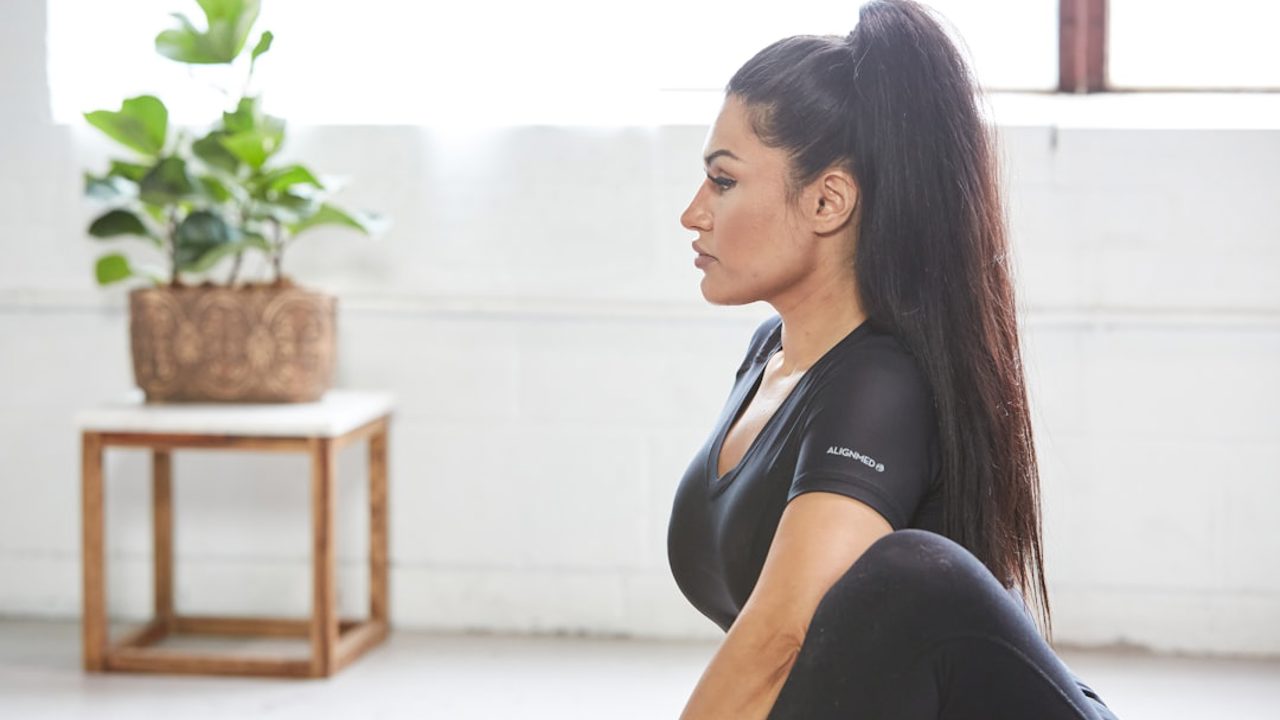
In standing posture, it can be tried to look for a trunk position where the knees are not locked and the ribs are not jutting forward, and to feel a gentle gathering in the abdominal area as you exhale instead of pulling the belly in firmly. Letting the exhale last a bit longer may increase the sense of relaxation in some people; however, what matters here is finding a comfortable rhythm without forcing it. If there is a tendency to hold the breath, it may be helpful to remember to keep the breath flowing, especially during exertion (such as climbing stairs or lifting a load).
However, if the pain is severe, newly started, or accompanied by symptoms such as numbness/tingling, loss of strength, pain that increases at night, or shortness of breath, consulting a healthcare professional may be a safer approach. Although breathing exercises are supportive, they may not be sufficient on their own in every situation, and there may be a different underlying cause. Personalized movement, ergonomics, and, if necessary, professional evaluation can usually provide more holistic results.
In summary, using the diaphragm in a more balanced way may help reduce unnecessary involvement in the shoulder–neck area, make trunk alignment feel more natural, and soften stress-related tension. Although the connection between posture and pain varies from person to person, regular breath awareness can offer small but meaningful support in daily life. The best approach is to proceed without forcing the breath, listening to the body, and seeking expert advice when needed.