
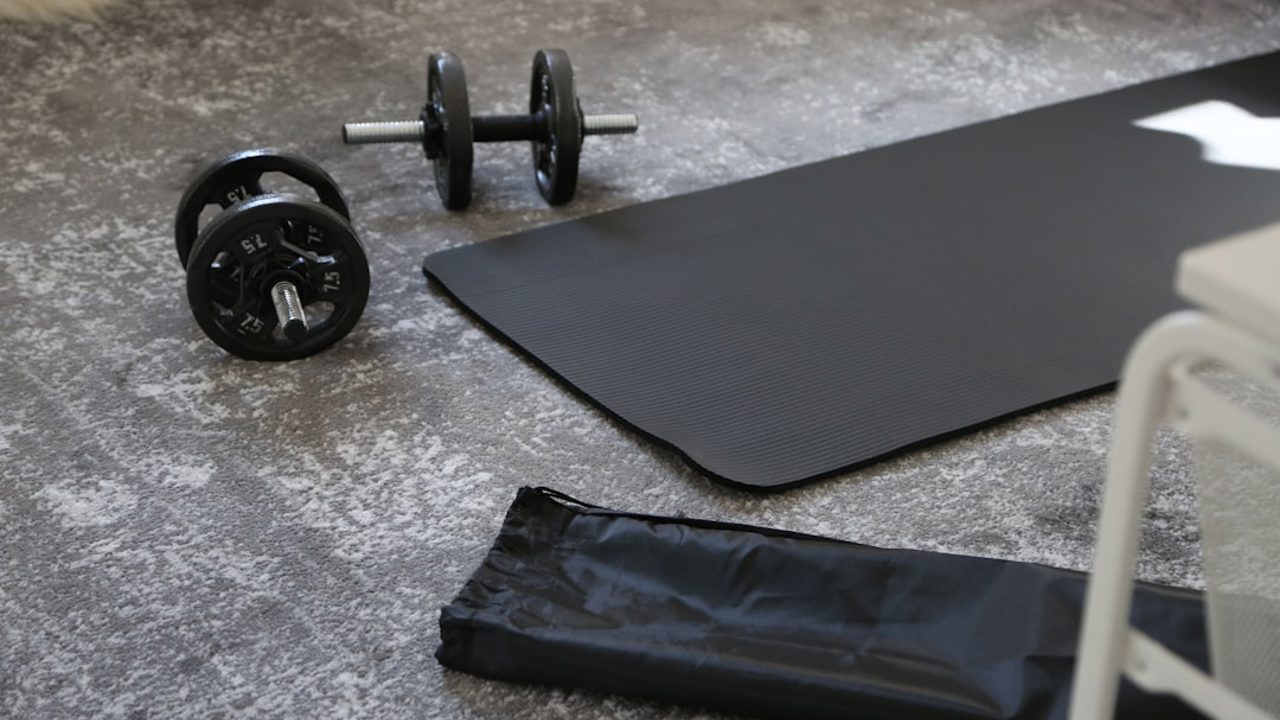
With a busy work pace, classes, family responsibilities, and an endless to-do list, setting aside time for exercise can become challenging for most people. Still, it may be possible to build a habit with smaller, more manageable steps without squeezing movement into the mold of “long and exhausting workouts.” At this point, 15-minute micro workouts stand out as a supportive option, both by lowering the mental barrier and by making it easier to maintain consistency.
What Is a Micro Workout and Why Might It Work?
A micro workout can be thought of as a short but purposeful movement session. The goal here is not to do a lot at once, but to find a sustainable rhythm that fits into the day. When done regularly, it can be said to contribute to areas such as endurance, strength, or flexibility; at the very least, it may help reduce the number of sedentary days. Especially for people who struggle with “all or nothing” thinking, even a small amount of time can create an important jump-start effect.
Strategies to Plan a 15-Minute Micro Workout Efficiently
What makes 15 minutes efficient is that the workout has a clear focus. For example, working on lower-body strength one day, the core area another day, and mobility and stretching on a different day. That way, instead of trying to do everything in a short time and getting scattered, it may become easier to aim at a single goal. When time is limited, making small but planned progress can also help maintain motivation.
How to Build a Micro Workout Flow with Warm-Up and Cool-Down?
For a micro workout to have a flow that feels good, it can be helpful to consider the warm-up and cool-down parts, even if they are brief. When the first few minutes are devoted to light movements that prepare the joints and the last few minutes to lowering the heart rate and stretching, the body tends to handle the transitions more comfortably. Such a structure can help reduce the feeling of “sudden strain,” especially for those who spend long hours at a desk during the day.

There are many options content-wise; what matters is setting up a practical routine according to equipment and environment conditions. Basic bodyweight movements that can be done at home or in the office, going up and down stairs, a short brisk walk, stretching and mobility work that requires little space can fit into this time. For some people, a simple piece of equipment like a resistance band can increase movement variety and reduce monotony.
Ways to Turn Micro Workouts into a Routine and Maintain Consistency
One of the most critical points in building consistency is tying the workout to a routine rather than “tacking it onto some part of the day.” For example, choosing a trigger time such as right before morning coffee, at the start of a lunch break, or as soon as you get home from work can reduce decision fatigue. This way, the question “When will I do it today?” takes up less space, and 15 minutes may not feel so daunting.
On busy days when the plan falls apart, a flexible Plan B can also work so the habit doesn’t break completely. If even 15 minutes feels hard, lowering the duration to 8–10 minutes or focusing only on mobility may be more realistic in some periods. The goal here is not so much to maintain a perfect program, but to preserve a minimum that keeps your connection with movement going.
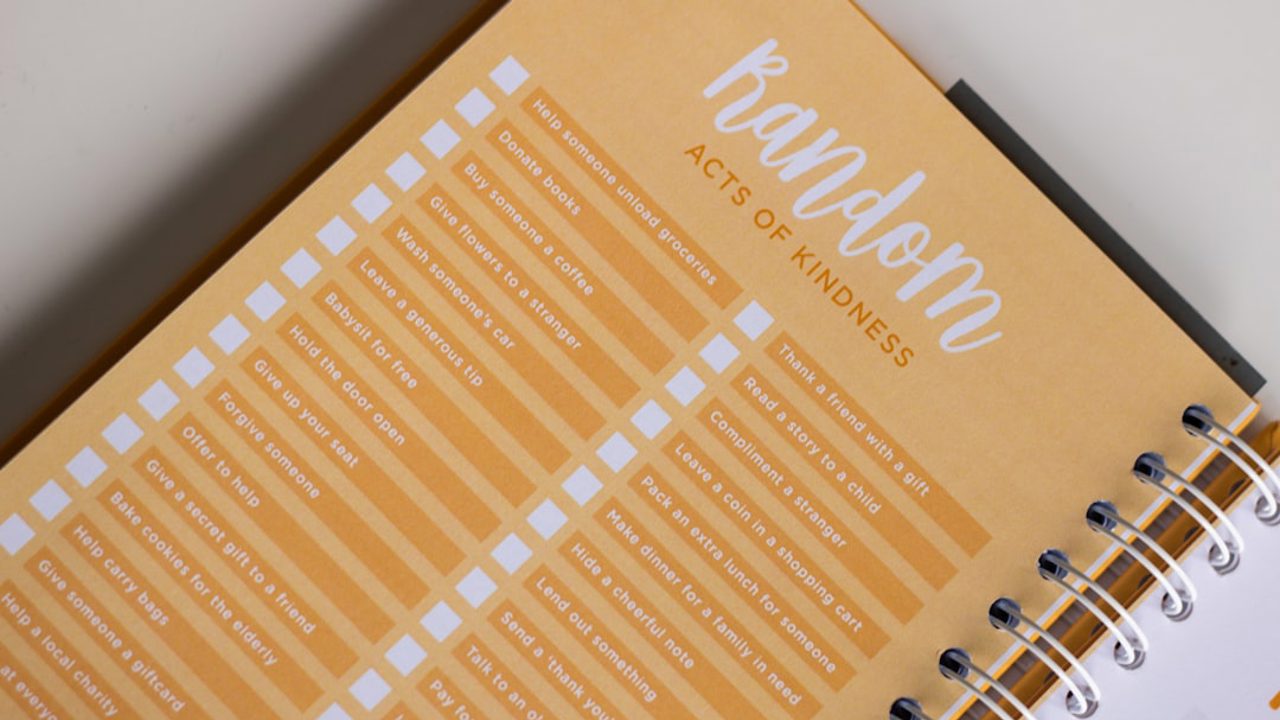
When motivation fluctuates, an approach that works is tracking progress in a simple way. A method like marking a calendar, taking short notes, or doing a weekly review by asking “How many times did I move this week?” can make progress visible. As visibility increases, it can be felt more clearly that short workouts accumulate and turn into a meaningful routine.
Adjusting Intensity and the Lasting Effect of Micro Workouts
Adjusting workout intensity is also important for sustainability. Making every session very hard can increase fatigue and make the following days more difficult; a more manageable pace can make it easier to maintain consistency. An intensity range where breathing noticeably speeds up but form doesn’t break down may be more comfortable for most people; still, a person’s fitness level, sleep status, and daily stress can affect this balance.
Finally, it may be helpful not to think of micro workouts as “worthless because they’re small.” In busy schedules, the main gain is often the sense of stability that comes from moving regularly, even if briefly. When designed well, 15-minute sessions can help both increase body awareness and make an exercise habit more lasting by spreading it over time.