

On some days, waiting to “feel a spark inside” in order to start can feel very familiar. When that spark doesn’t come, plans get postponed, intentions pile up, and a burden that grows in our eyes can form. Yet realizing that motivation isn’t always the starting point—that sometimes it can work like a result that emerges as you move—can make the process more manageable.
Waiting for Motivation: The Mind’s Search for a Safe Zone
The expectation of motivation is often related to the mind’s search for a safe zone. Starting something new carries uncertainty; the possibility of making mistakes, the fear of feeling inadequate, or the thought of “what if I can’t keep it up?” may come into play. At this point, motivation is seen as if it were a force that will eliminate all these feelings. However, it may be possible to take a small step even while emotions are present, and that step can help reduce inner resistance by giving the mind the message “I can move.”
What Are Micro Steps? An Approach to Lowering the Starting Threshold
Micro steps are less about shrinking the goal and more about lowering the threshold. Instead of “I should work out for an hour,” choosing a step that makes starting easier—like “put on workout clothes” or “roll out the mat”—reduces the brain’s cost of starting. This approach can be especially useful for people stuck in a procrastination loop, because making the first step easy can make it more likely to continue.
Generating Motivation Through Action: The Feedback Loop of Small Results
The logic of generating motivation through action is based on a feedback loop: a small movement produces a small result; the result can create a bit of satisfaction or a sense of progress. This feeling makes it easier to take the next step. Seeing motivation not as “a feeling that is expected to arrive” but as “an energy that is produced” can support building a self-sustaining system.
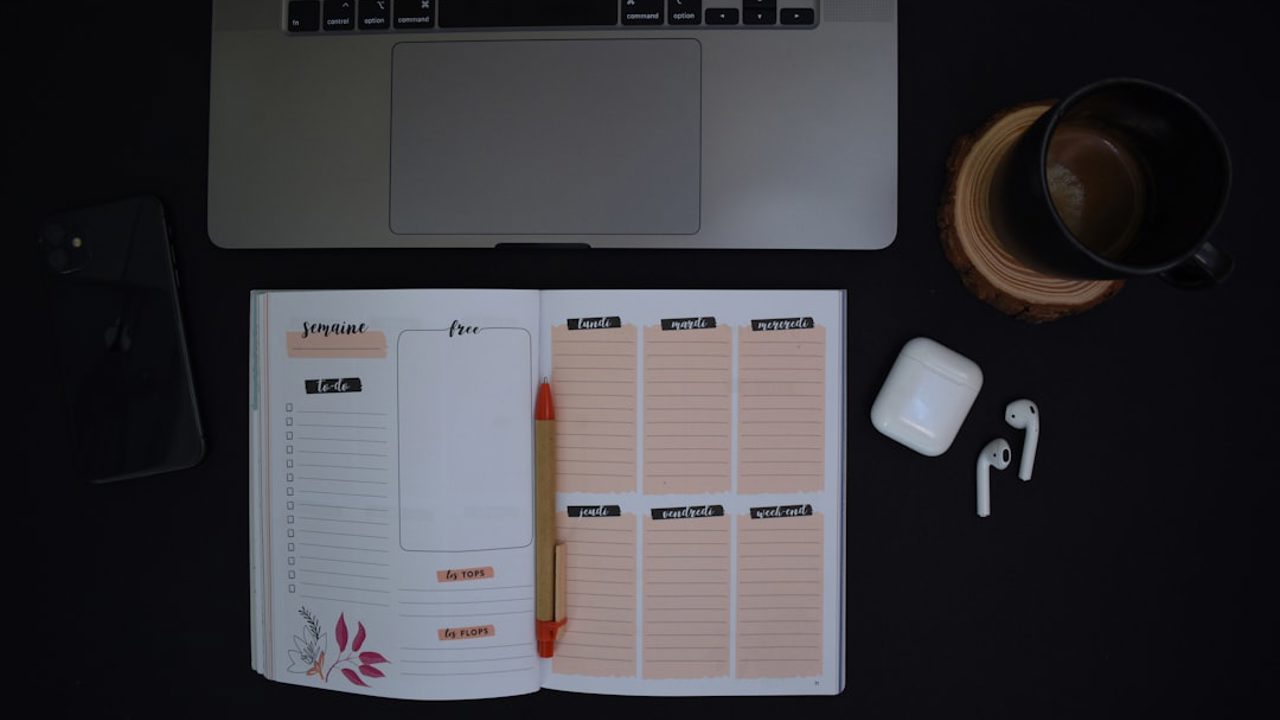
One of the most important points when choosing a micro step is that the measure is not “how impressive” but “how doable.” On some days, setting aside only two minutes may be realistic. For example, if you want to start reading, one page; if you want to write, two sentences; if you want to tidy the room, just one drawer. This choice that seems small can open the door to motivation because it can create the feeling of “I started.”
Methods for Pairing the Micro Step with Habit Triggers
Another helpful method is to pair the micro step with a concrete trigger. Adding a small action right after a habit you already do during the day can reduce forgetting. Pairings like two stretches after morning coffee, a one-minute plan review after brushing your teeth, or organizing a single file when you turn on the computer can lighten the decision-making load.
An environment setup that makes starting easier can also increase the impact of micro steps. Making materials related to what you want to do visible can help reduce unnecessary obstacles. Small adjustments like placing your sneakers by the door, leaving only the necessary tools on your desk, or temporarily reducing phone notifications can help reduce the need to “gather energy to start.”

In this process, it’s important to remember that fluctuations in motivation can be normal. Some days the micro step grows and continues; on other days it stays only at that. Still, it can be said that even a small touch gives the message “the connection didn’t break.” Continuity can be supported not only by big performance but also by low-effort yet regular contact.
Consistency and Self-Compassion: Making Micro Steps Lasting
The way you talk to yourself can also make action easier. A frame like “today I did the smallest version of it” instead of “I couldn’t do anything today” can help make the effort visible. This approach can soften the self-criticism cycle and make room for the next attempt. In this way, motivation can stop being only the reward for days when you feel good and become a more accessible resource.
To sum up, instead of waiting for motivation to start, trying to generate motivation through action can offer a more sustainable path, especially in periods when you’re struggling. Micro steps can lighten the process by lowering the threshold, producing small signals of success, and supporting continuity. When you choose a simple, repeatable start that suits you, over time you may notice more clearly that moving nourishes motivation.