Why is Pilates important for runners in terms of hip stability?
Running is a sport that attracts many people with its rhythm and sense of freedom. Still, in those who run regularly, small details such as control around the hips, knee alignment, and lower back–pelvis coordination can become more noticeable over time. Pilates offers an approach right at this point—one that can support increased body awareness, balanced force production, and more controlled movement.
Single-leg balance, knee alignment, and lower back–pelvis coordination
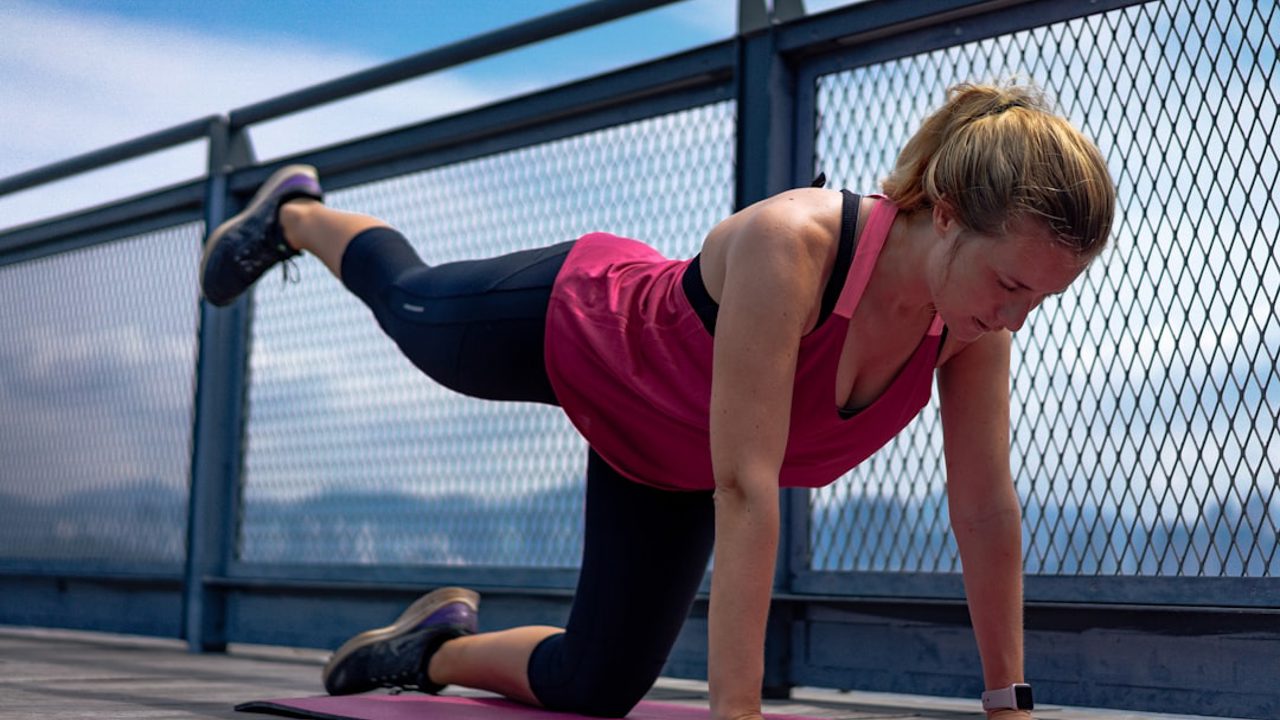
With every step while running, there is a brief moment of “balance” on one leg. During this time, the muscles on the side of the hip (especially the muscle groups that abduct the hip and try to prevent the pelvis from dropping) share the job of supporting the trunk. When this system isn’t durable enough or doesn’t work in a coordinated way, patterns such as the knee collapsing inward, the lower back taking on too much load, or the stride becoming unstable can be seen in some people. Because Pilates trains this chain more holistically, it can form a foundation that supports running mechanics.
When we talk about hip stability, the goal is not so much to “squeeze” the hips, but to help the right muscles engage at the right time. Pilates exercises bring together breathing, control of the body’s center (core), and the ability to maintain pelvic position, emphasizing movement quality. This approach may help prevent form from breaking down more easily when fatigue increases during running.
Key components of a Pilates program for runners
A Pilates program for runners is generally built around three areas: core endurance, strength around the hips, and single-leg balance/coordination. The core should not be thought of only as the abdominal muscles; the diaphragm, pelvic floor, lower-back region, and hip connections work together. As this coordination improves, it may become easier to transfer the force produced by the legs more “cleanly” through the trunk.
At the start of the program, the goal is to work at low intensity but with high awareness. Basic breathing and pelvic control exercises done lying on your back can help teach you to move without exaggerating the arch in the lower back. At this stage, an “few reps, good form” approach can be seen as a strategy that reduces runners’ tendency to load too quickly and create unnecessary tension around the hips.
To support hip stability, controlled exercises that target the lateral hip muscles are used frequently. Side-lying leg lift variations, light band-resisted abductions, or small but controlled movements in positions with the knees bent may help some people “feel” the area around the hips better. What matters here is that the lower back doesn’t tip to the side and the movement is driven from the hip; otherwise, the lower-back area may take over instead of the intended muscles.
Single-leg exercises, mobility, and movement quality
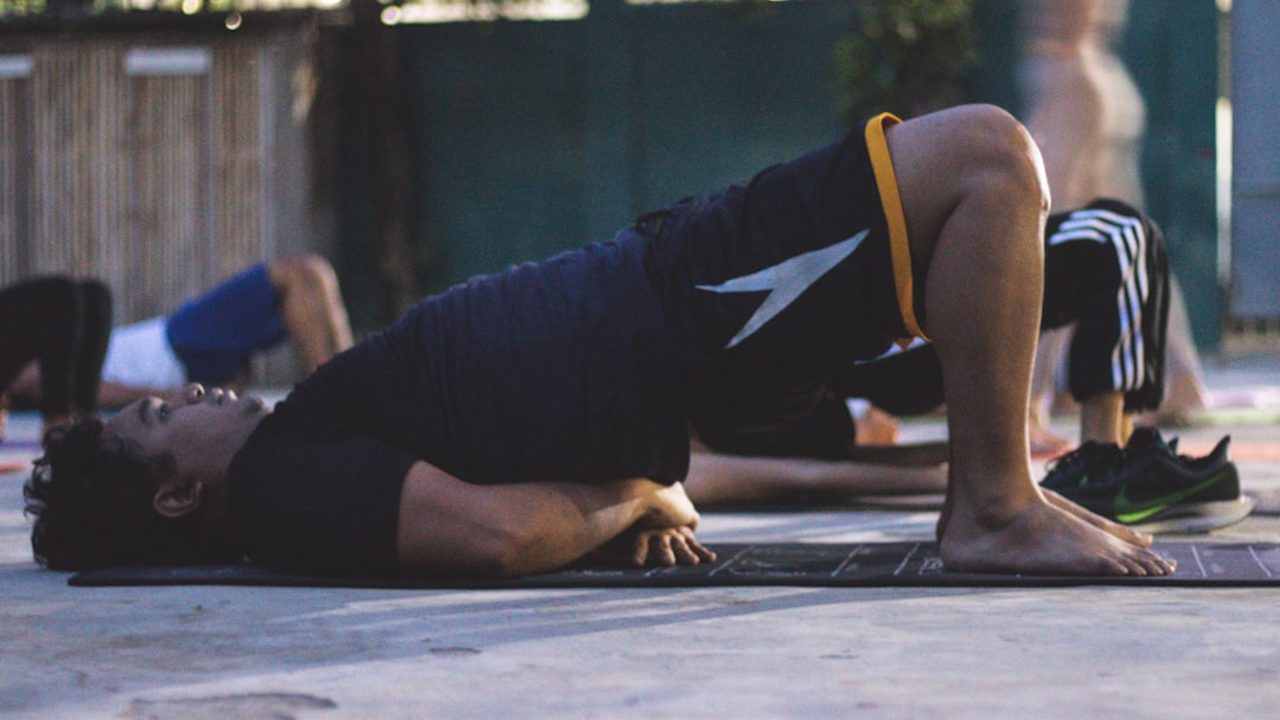
The part that most resembles running is Pilates variations built on single-leg support. Single-leg bridges, controlled step-like transitions, or movements that include single-leg balance can train the pelvis to stay stable and the knee to track in line with the foot. Such exercises can build endurance that may help maintain form, especially during hill descents/ascents or tempo runs.
The goal of reducing injury risk is not limited to getting stronger; range of motion and the balance between muscle flexibility and stiffness also matter. Pilates’ fluid and controlled structure may create a more balanced sense of movement in some runners who feel “short and tight” in areas such as the hip flexors and hamstrings. For sustainability, it may be more appropriate for every movement done with the intent to stretch to progress pain-free and in a controlled manner.
Weekly planning, progression strategies, and safe practice tips
When planning your week, thinking of Pilates as a complement to run training can work well for many people. Instead of adding a heavy Pilates load next to more intense running days, you might prefer a short session on easy run days or a moderate-intensity session on a rest day. This way, while respecting the legs’ need to recover, neuromuscular coordination is also nourished regularly.
In progression, small steps are often more functional. First, establish movement quality, then you can add a resistance band, tempo changes, or variations that challenge balance. If longer distances or faster paces are being targeted in running, then on the Pilates side, rather than longer sets aimed at endurance, controlled repetitions that can be maintained without form breaking down may be a useful option.
Simple cues to watch for during exercise can increase the program’s effectiveness: if there is a feeling of compression in the lower back, sharp pain in the hip, discomfort in the knee, or “trying to catch yourself” due to loss of balance, making the movement easier is usually a better approach. Since every body’s history and running load are different, getting form feedback from a professional if needed can support safe progress, especially in single-leg exercises.
Pilates for runners, when applied correctly, can provide a foundation that supports key needs of running such as hip stability, trunk control, and single-leg coordination. A regular and measured program can help maintain form and reduce the likelihood of some load-related issues emerging. The best results are usually associated with planning running training and Pilates to complement each other and progressing while paying attention to the signals the body gives.