
Sudden hunger during the day, an afternoon energy crash, or increased cravings for sweets can often be associated with blood sugar fluctuations. Although these fluctuations may not be felt the same way by everyone, daily habits such as eating patterns and meal timing can play an important role in supporting balance.
Meal Routine and Managing Hunger Gaps
One of the first steps that may help blood sugar stay more stable is not skipping meals entirely and reducing long fasting intervals. Especially on a busy day, delaying breakfast or postponing lunch can, in some people, increase the tendency to eat more quickly and more than needed at the next meal. Eating at regular intervals with portions that match your needs can create a more balanced rhythm.
Macronutrient Balance: Pairing Carbohydrates with Protein and Fat
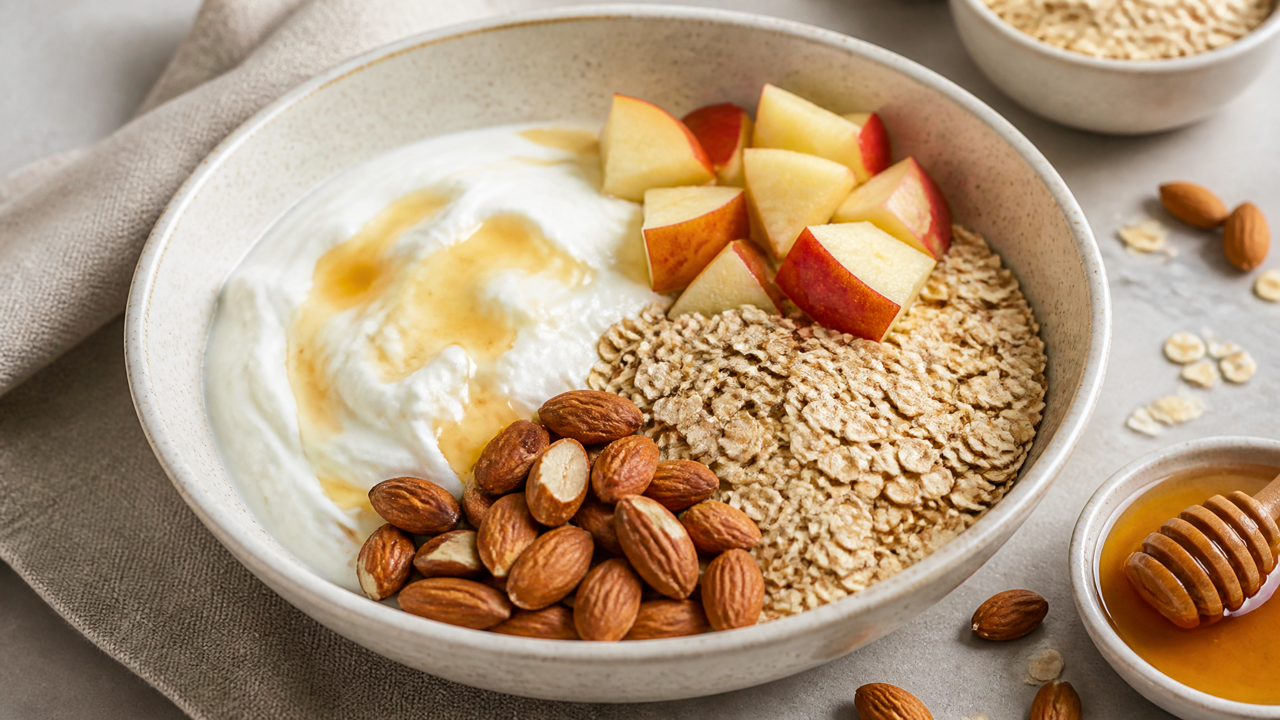
Including carbohydrates in a meal not on their own but together with protein and healthy fats may help soften fluctuations. For example, instead of a snack that’s just pastry or just fruit, pairings like fruit with yogurt or eggs with whole-grain bread can keep you full for longer. The aim here is to make digestion speed and the duration of fullness more balanced.
Carbohydrate choice can also be decisive in daily ups and downs. Options like whole grains, legumes, and fiber-rich vegetables may provide a more balanced feeling for some people because they are digested more slowly. In contrast, sugary drinks, refined white-flour products, or very sweet snacks can trigger a cycle of energy that rises quickly and falls quickly.
Reducing Fluctuations with Fiber Intake and Meal Order
Fiber stands out as an important component that supports blood sugar balance. When fiber sources such as salads, vegetables cooked in olive oil, legumes, oats, and chia are added to meals, a calmer course after eating may be observed. While increasing fiber intake, not neglecting to drink water can also support digestion.
Meal order can make a difference for some people. Eating vegetables or salad first, then a protein source, and carbohydrates last is an approach that may help you feel more balanced after a meal. This small change offers a practical habit that can be applied even on days when you eat out.

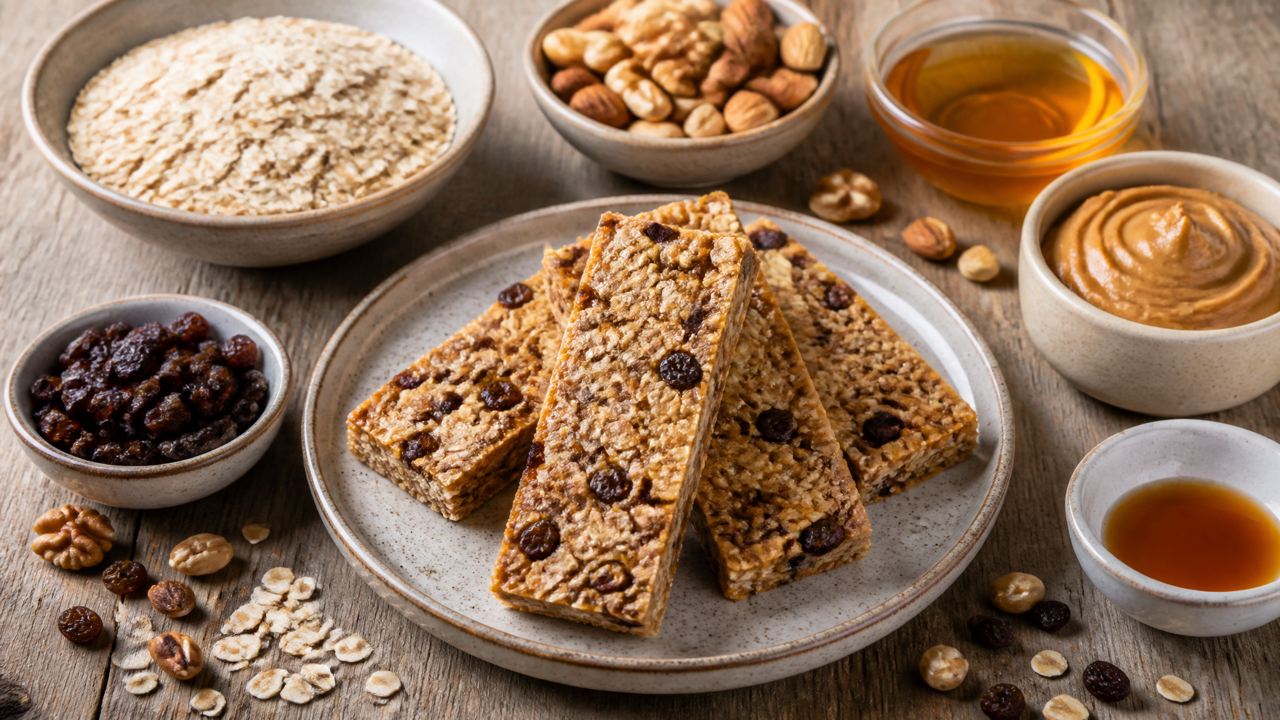
The topic of snacks can vary from person to person; some people feel fine with three main meals, while for others a small snack may help reduce energy dips. If you choose to have a snack, instead of quickly consumed options like only sweets or only crackers, more balanced combinations such as fruit with nuts, kefir, or cheese with a small piece of whole-grain bread can be considered.
Breakfast, Dinner, and Beverage Choices
What is eaten at which time of day is also an important detail. When some people eat a heavy, carbohydrate-heavy meal late in the evening, nighttime snacking urges or morning hunger may change. Having dinner relatively early, not making the portion excessively large, and building the plate around vegetables can help you get through the night more comfortably.
The content of breakfast eaten in the morning can affect the rest of the day. Sugary breakfast foods or a quick breakfast made only with white bread can make you hungry again in a short time. A protein-containing option (eggs, yogurt, cheese), a fiber-rich companion (vegetables, whole grains), and a moderate carbohydrate portion can provide a more balanced start.
Beverages can often increase fluctuations without being noticed. Sugary coffees, flavored drinks, or fruit juices can create a rapid carbohydrate load. Options like water, plain mineral water, unsweetened herbal teas, or unsweetened coffee generally fit better with a more balanced daily plan; still, it should not be forgotten that caffeine may affect appetite and sleep patterns in some people.
The Effect of Movement, Sleep, and Stress on Blood Sugar
The combination of movement and timing can also be supportive. A short walk after meals may contribute to feeling better, especially on days spent sitting for long periods. Since very intense exercise may not be suitable for everyone, regular and sustainable small activities offer a more realistic approach.

Sleep routine and stress level can also affect appetite signals and food choices. Insufficient sleep can increase the tendency to feel hungry more often during the day and to lean toward more carbohydrate-heavy choices. Creating a relaxing nighttime routine, keeping meal times as consistent as possible, and having planned snacks on busy days can support balance.
Lastly, rather than applying these strategies “perfectly,” adapting them to your own daily flow may be more functional. On days when you don’t skip meals, build your plate with a balance of protein-fiber-fat, and cut down on sugary drinks, you may feel a more stable sense of energy. If you have significant complaints or a specific health condition, consulting a healthcare professional for personalized recommendations will be the safest course.