
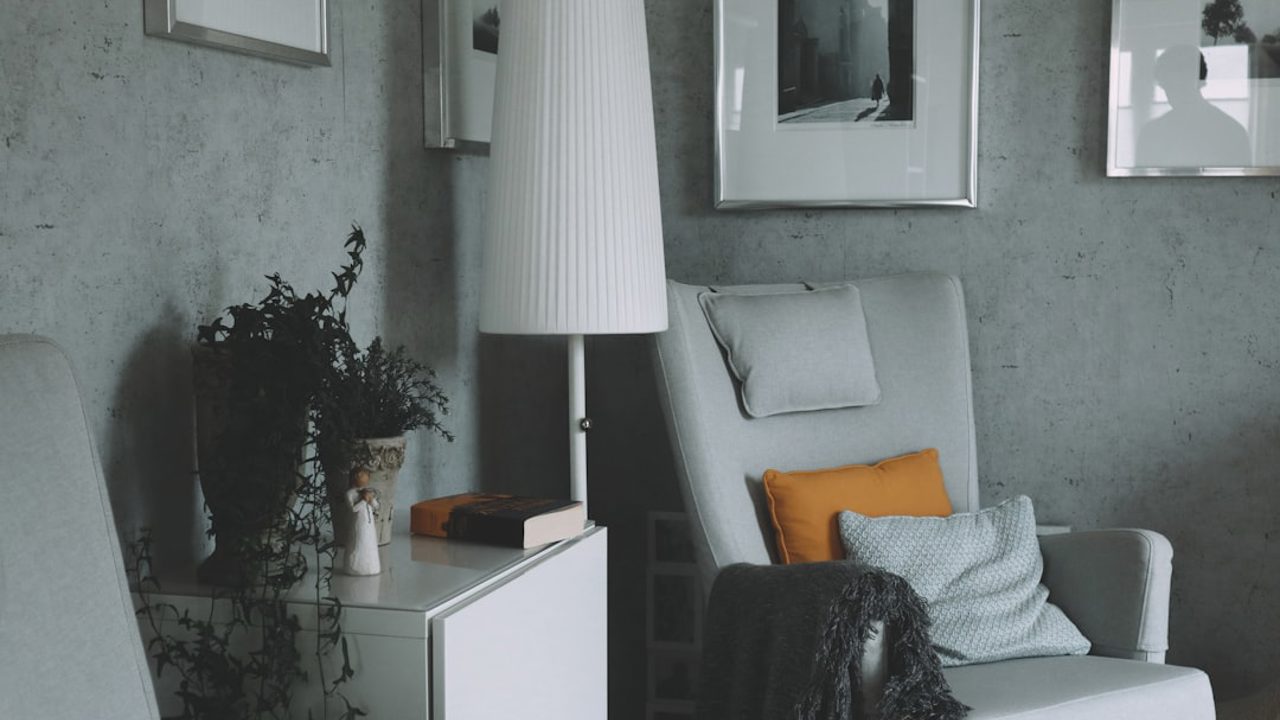
Even if we’ve gotten tired during the day, there are times when, once we get into bed in the evening, the mind still receives the signal that “it’s still daytime.” Behind this, the type and intensity of light we are exposed to in the evening is seen as an important factor. Especially blue-weighted light can create a stimulating effect in some people that may delay the natural course of sleep.
The effect of light on the biological clock and falling asleep
Light is one of the powerful cues that set the body’s biological clock from the outside. Bright lighting in the evenings can contribute to the brain maintaining “stay awake” messages for longer; this can lead to a longer time to fall asleep. For this reason, the issue is not limited only to screens; the lighting setup at home can be similarly influential.
Sources of blue light: screens and LED lighting
When blue light is mentioned, phone and computer screens mostly come to mind, but some LED bulbs also contain a pronounced blue spectrum. These wavelengths can support processes associated with alertness via signals traveling from the eye to the brain. Not everyone may be affected to the same degree; however, for people with sensitivity, reducing evening light exposure can make the sleep routine easier.
Adjusting evening lighting: warmer tones and a dim environment

To support falling asleep, a first step may be to soften the “brightness and color” of light in the evening hours. Warmer-toned (more yellowish) lighting, a dim environment, and avoiding strong light sources that hit the eyes directly make it easier to relax for some people. Instead of a very strong ceiling light in the living room, it may also help to light the space in a balanced way with a few small, low-power lights.
Although screen use may seem like a separate topic, in fact the content matters along with the light. Social media, news feeds, or intense mental activities can make it harder to wind down before sleep. Therefore, in the time before going to bed, turning to more “calm” content—as well as reducing screen time—can help shorten the time it takes to fall asleep.
Night mode on phones and computers can reduce blue tones by making the color temperature milder. Such settings can help increase eye comfort and support reduced stimulation in the evening for some people. Still, lowering the screen brightness and not holding the device very close to the eyes can make a more meaningful difference than using a filter alone.
Pre-sleep routine: gradual transition and screen habits
A practical method that makes it easier to reduce light in the evening routine is to apply a “gradual transition.” For example, 60–90 minutes before bed, softening the home’s general lighting and moving to a dimmer, warmer environment can signal the body to prepare for sleep. During this time, a brief tidy-up, light stretching, calm music, or a simple reading habit can also support the mental transition.
The bedroom’s lighting arrangement is also among the factors that can affect how long it takes to fall asleep. If small lights such as a street lamp, hallway light, or device indicators leak into the room, it may be beneficial to increase the sense of darkness. Solutions like thick curtains, an eye mask, or turning off unnecessary light sources create a deeper perception of “night” in some people.
Morning light is an important balancing factor that indirectly affects the evening. Getting out into daylight in the early hours of the day can contribute to a clearer setting of the biological clock; this can support sleepiness feeling more natural in the evening hours. Simple habits such as a short walk or getting daylight by a window can make it easier to establish a routine.
Other factors and creating a sustainable sleep schedule
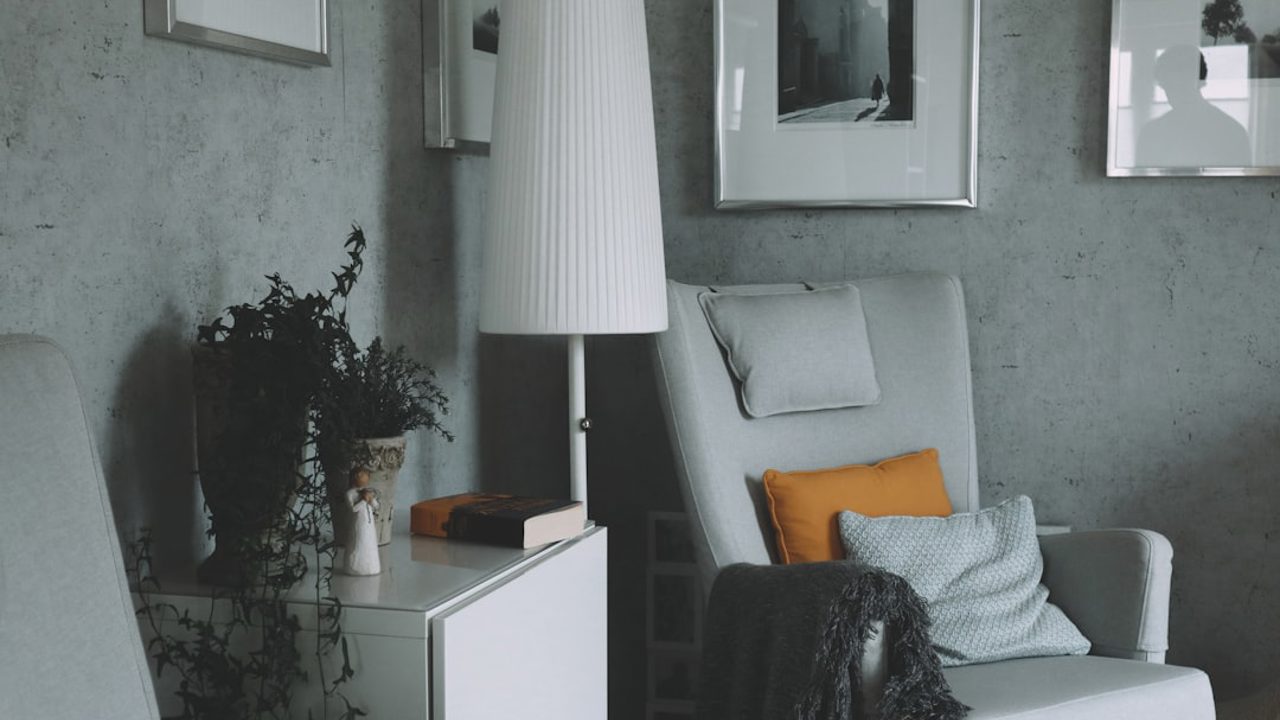
Of course, the time it takes to fall asleep is not determined only by light; many factors such as caffeine timing, how heavy dinner is, stress level, and daytime activity play a role together. Still, managing evening light exposure offers a controllable and quickly applicable starting point. With small adjustments, creating a calmer evening atmosphere can markedly facilitate the transition to sleep for some people.
To find the most suitable approach for yourself, it may be helpful to try a single change for a few weeks. For example, progressing step by step—first shifting lighting to a warm tone, then reducing screen time—makes it easier to see which adjustment works more. If there is persistent insomnia, noticeable daytime sleepiness, or a sleep problem that affects quality of life, getting support from a professional may also be a good option.