
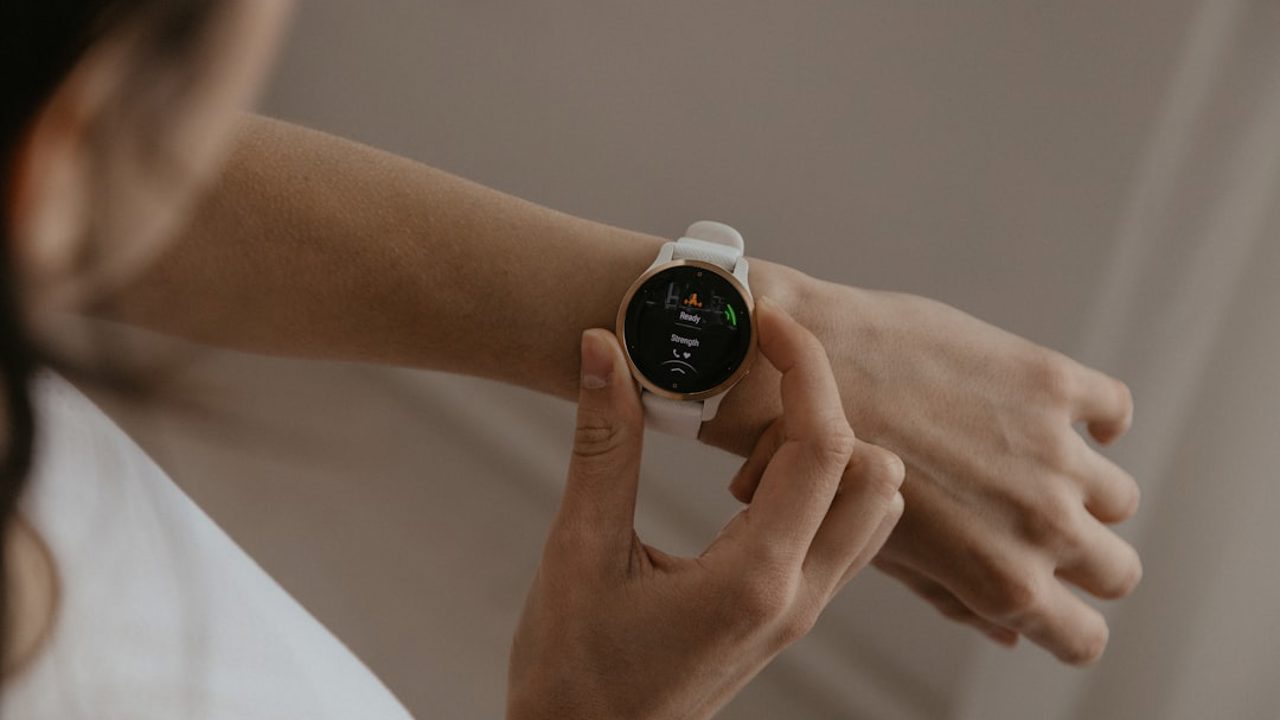
Watches, wristbands, and phone apps that track sleep have become part of many people’s nightly routines in recent years. These data may seem appealing for waking up more refreshed, understanding your sleep pattern, or reviewing habits. Still, knowing what on-screen results like “deep sleep,” “awake,” or “sleep score” actually mean can help you benefit from devices in a healthier way.
How Do Sleep-Tracking Devices Measure Sleep?
Most of these devices don’t measure sleep directly; instead, they track bodily signals that accompany sleep. Motion sensors (actigraphy), heart rate, heart rate variability, and—on some models—respiratory estimates are combined, and algorithms interpret “which stage you might be in.” This approach can provide a general picture; however, because it isn’t based on the same method as professional sleep tests that measure brain waves, the results may not always match one-to-one.
Sleep Stages and Accuracy: What Can They Predict Better, and What Is Harder to Estimate?
Reliability is usually split into two questions: “Am I asleep or awake?” and “Which sleep stage am I in?” Many devices can perform reasonably well at detecting sleep when you remain still for long periods. In contrast, because sleep stages (light, deep, REM) are more complex, classifications based on wrist-measured signals tend to have a higher margin of error.
There are also simple factors that can throw off the data. Wearing the band loosely, weakened sensor contact with the skin, or situations where you’re still but awake—like reading in bed for a long time—may be interpreted as “sleep.” Conversely, in people who toss and turn a lot during sleep or have certain muscle movements, the device may overestimate “awake” time. Even the device’s position, battery level, software updates, and algorithm changes can affect the results.
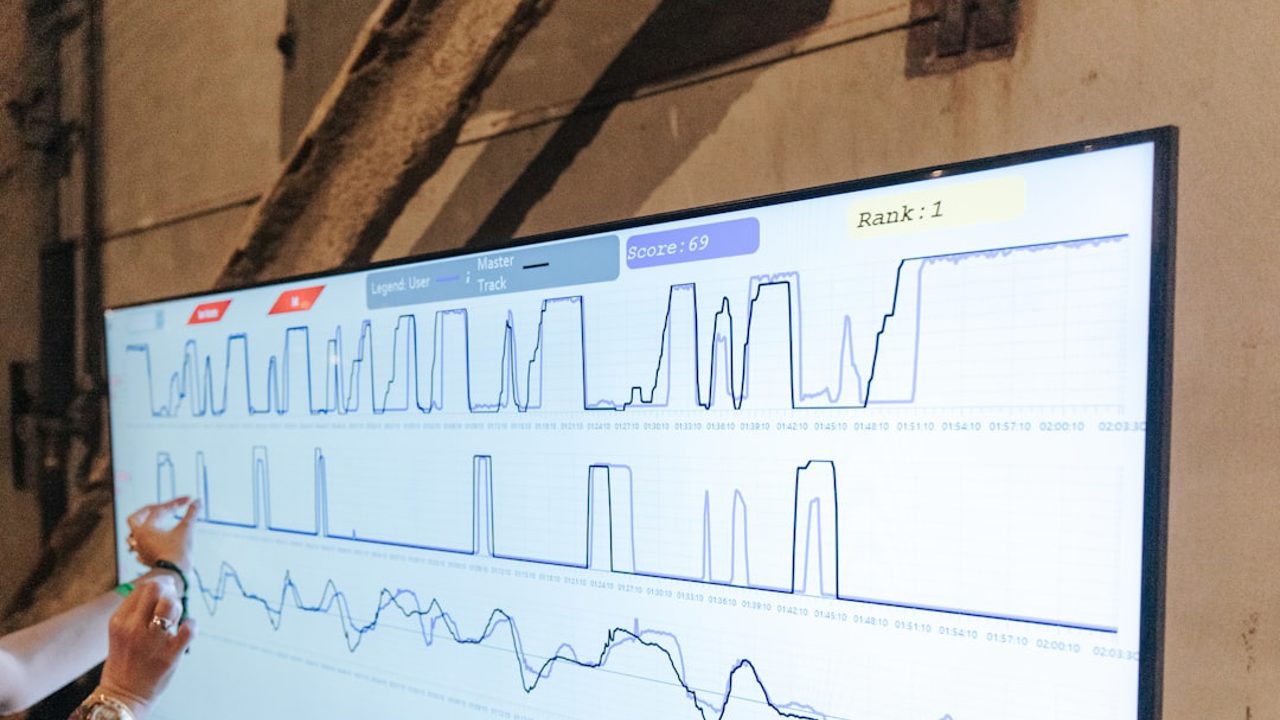
Inferences based on heart rate can also vary from person to person. Late-night exercise, alcohol, heavy meals, stress, room temperature, or hormonal fluctuations on certain days can change nighttime heart rhythm. These differences may cause the algorithm to interpret that as “the sleep stage changed.” That’s why, rather than looking at a single night’s chart, examining patterns over a few weeks often provides a more meaningful picture.
How Should Sleep Data Be Interpreted? Trend Tracking and Sleep Score
The most practical approach to reading sleep data correctly is to aim for “trend tracking” rather than “absolute accuracy.” For example, seeing that your total sleep duration regularly shortens on weekdays can offer a clue to adjust your bedtime. Similarly, if the chart of frequent nighttime awakenings is rising, moving your caffeine cutoff earlier or reducing screen use before bed may be supportive for some people. The real value here is being able to connect the numbers with habits.
Composite scores like a sleep score may be easy to understand, but they can obscure detail. You may not actually feel rested just because the score went up, or you may worry that you had a bad night because it came out low. At this point, positioning the device as “a helper that takes notes” rather than “a referee” can make it easier to interpret the data more evenly.
Reducing the Margin of Error: Usage Settings and Consistency
Small adjustments can help reduce the margin of error. Wearing the device as the manufacturer recommends—snug but not uncomfortable—setting sleep hours correctly in the app, and, if possible, measuring consistently with the same device strengthens comparisons. Constantly switching and comparing different devices can produce confusing results, since each may use a different algorithm.
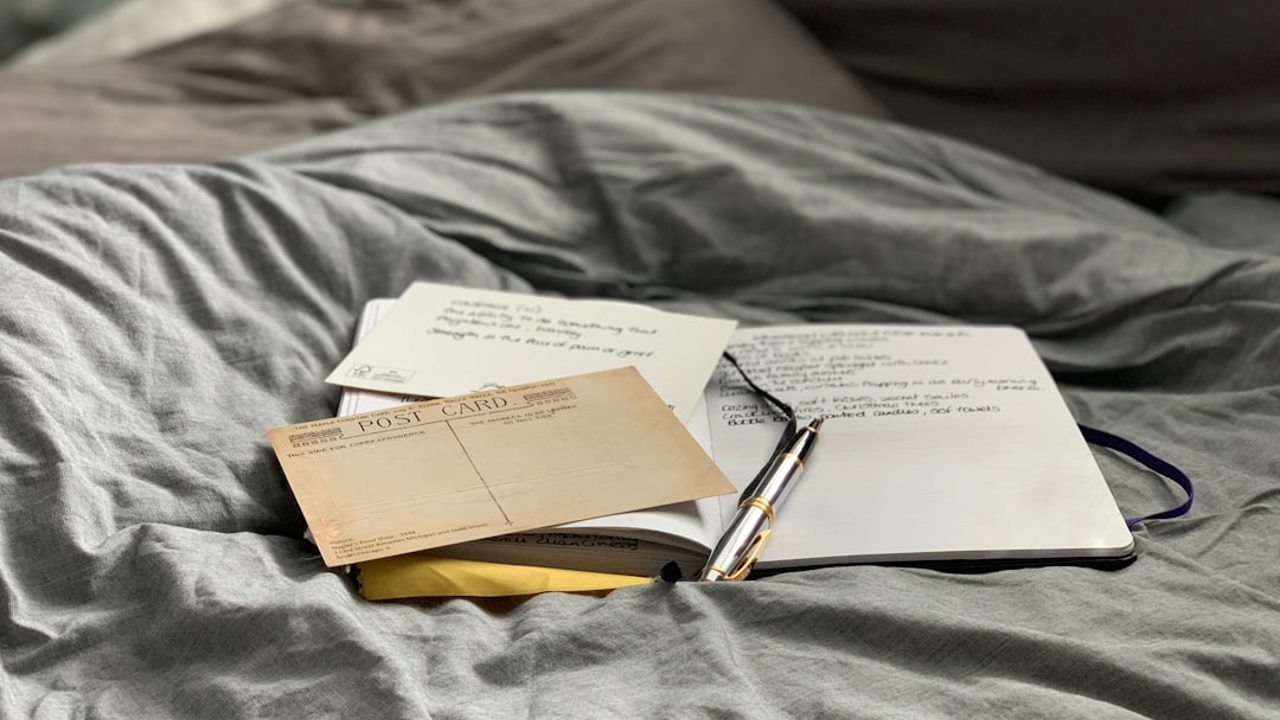
It’s also important to evaluate the data together with how you feel. If you have symptoms such as morning headaches, excessive daytime sleepiness, difficulty concentrating, or a sense of not being rested, the picture may be different even if the device says “you slept well.” Conversely, if you feel good, a low “deep sleep” value on a single chart doesn’t have to be discouraging. Keeping a short sleep diary (bedtime/wake time, caffeine, exercise, stress) and placing it alongside device data can provide clearer insight for some people.
Sleep Anxiety and When to Seek Professional Support?
Sleep tracking can sometimes create “sleep anxiety”; constantly checking values can create performance pressure before bed. If you notice this, reducing notifications, looking at the data a few times a week, or focusing only on bedtime and wake time for a while may be more calming. Since sleep is often a process that can become harder the more you try, not letting the measurements control you can provide a helpful balance.
In summary, sleep-tracking devices can offer a useful framework, especially for monitoring routines and habits; however, it’s good to keep in mind that there may be a margin of error regarding sleep stages and topics like “sleep quality.” Reading the data as long-term trends rather than single-night results, and taking your own feelings and daily-life factors into account, can create a sounder basis for interpretation. If sleep problems persist for a long time, if there is marked daytime sleepiness, or if signs such as snoring/irregular breathing stand out, consulting a specialist may be supportive for a more comprehensive evaluation.