General approach to shoulder impingement complaints
Many people who experience shoulder impingement may feel discomfort around the shoulder when reaching the arm overhead, placing something on shelves, or staying at the computer for a long time. In such cases, instead of focusing only on the painful area, supporting the movement of the shoulder blade (scapula) and the overall endurance of the upper body can make daily life more comfortable. The Pilates approach, with its controlled and awareness-focused structure, can also be considered a gentle option in this area.
Why is scapular control important?
Scapular control works like the “foundation” of the shoulder; as the upper arm bone moves, the shoulder blade accompanies it. When this coordination weakens, the feeling of impingement at the front of the shoulder may increase in some people. Pilates exercises can help teach the shoulder blade to glide over the ribs and reduce the habit of unnecessary shoulder elevation. In this way, the load around the shoulder can be distributed more evenly during movement.
The most valuable step to start with is learning to gently guide the shoulder blade rather than “pressing the shoulder down.” A common mistake in daily life is constantly pulling the shoulders back and down and fixing them there; this can increase neck tension in some people and make arm-lifting more difficult. In Pilates, the goal is generally for the shoulder blade to be able to rotate upward when needed, and when needed to organize in a controlled way into a down-and-back line. This sense of flexibility can help reduce the perception of impingement.
Reducing shoulder tension with breathing and core control
Breathing and core control can be an important complement in reducing unnecessary tension in the shoulder area. Allowing the ribs to move with the breath and gently gathering the abdominal area can provide a more balanced sense of posture in the upper body. In some people, this approach helps reduce the feeling of “load” shifting into the neck and trapezius muscle during shoulder movement.
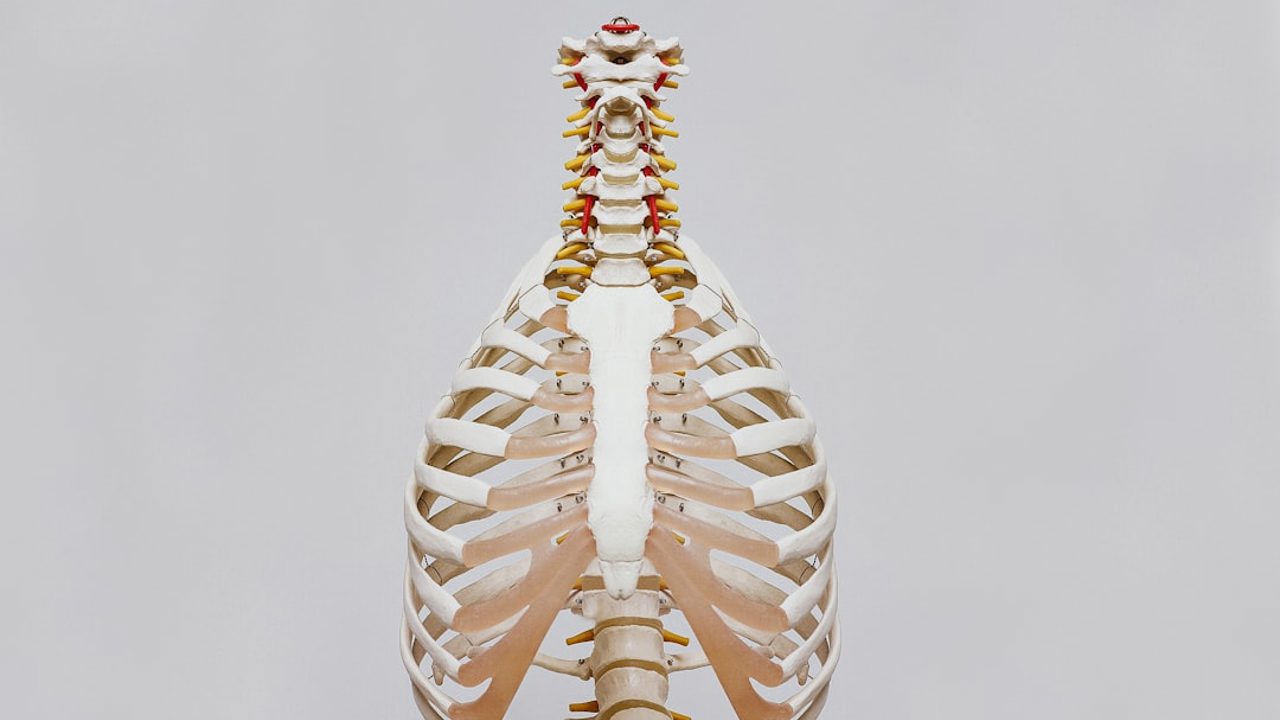
One of the basic examples frequently used in Pilates to improve scapular control is moving the shoulder blades in a small, controlled way while keeping the arms fixed. For example, in standing or supine positions, sliding only the shoulder blades forward and outward and then returning them to place without bending the elbows can make it easier to feel “the scapula, not the arm.” Keeping the movement small and the neck relaxed can create a safer feeling around the shoulder.
Upper body strength and muscle balance: which areas are targeted?
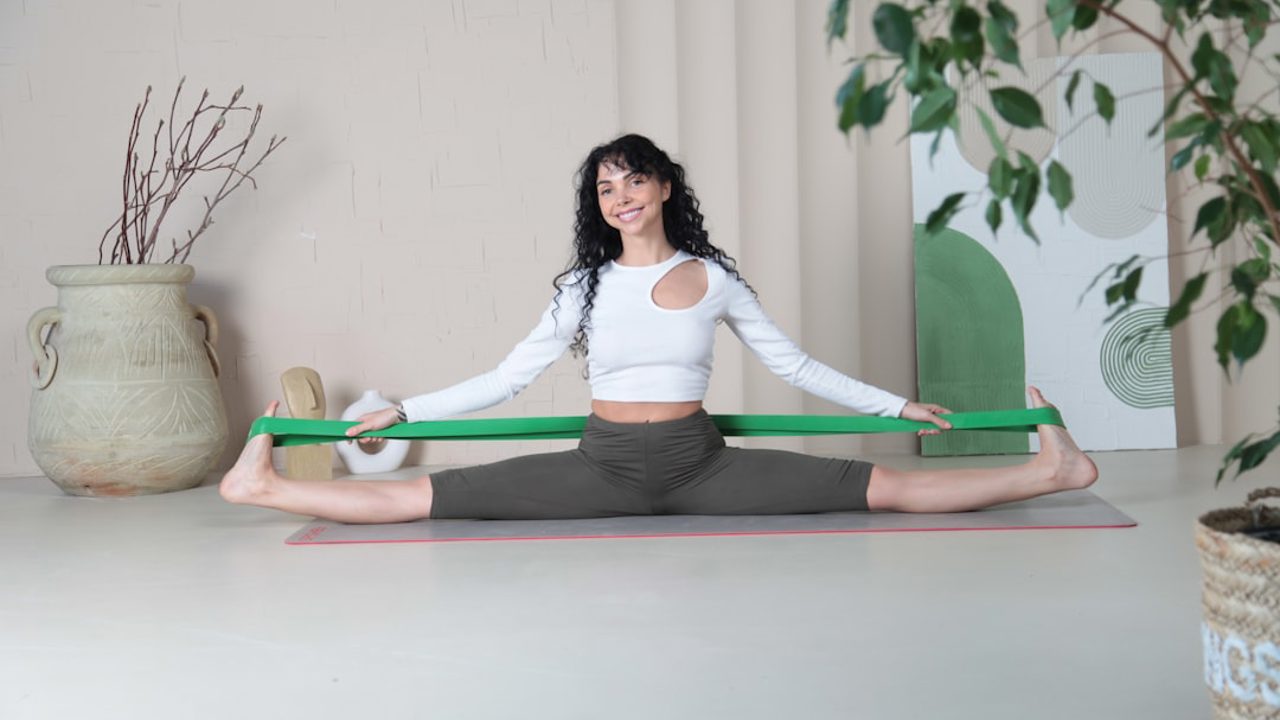
On the upper body strength side, the goal is not only to strengthen the chest muscles, but to engage the mid-to-lower back, the serratus anterior (a supportive muscle located over the ribs), and the rotator cuff area in a balanced way. Pulling-type work done with Pilates bands or light resistance can, in some people, help reduce the tendency of the shoulder to fall forward and contribute to a more “settled” movement of the shoulder blade. The key point here is to guide the shoulder blade in a controlled way without throwing the elbow backward.
Closed-chain exercises, where the hand is in contact with a surface, may also be more tolerable for some people who experience shoulder impingement. In pushing variations performed by lightly leaning on a wall or a table, the load placed on the shoulder joint may remain more manageable. The aim in this type of work is to support the shoulder blade gliding over the ribs without “winging” and to maintain trunk stability throughout the movement.
Range of motion, daily habits, and when to consult a professional
Another important point to consider in shoulder impingement complaints is range of motion. If discomfort increases at angles where the arm lifts upward, working within a less painful or more controlled range is generally better tolerated. In Pilates, with the principle of “less but clean,” finding correct alignment in a small range can, over time, create a more comfortable sense of movement.
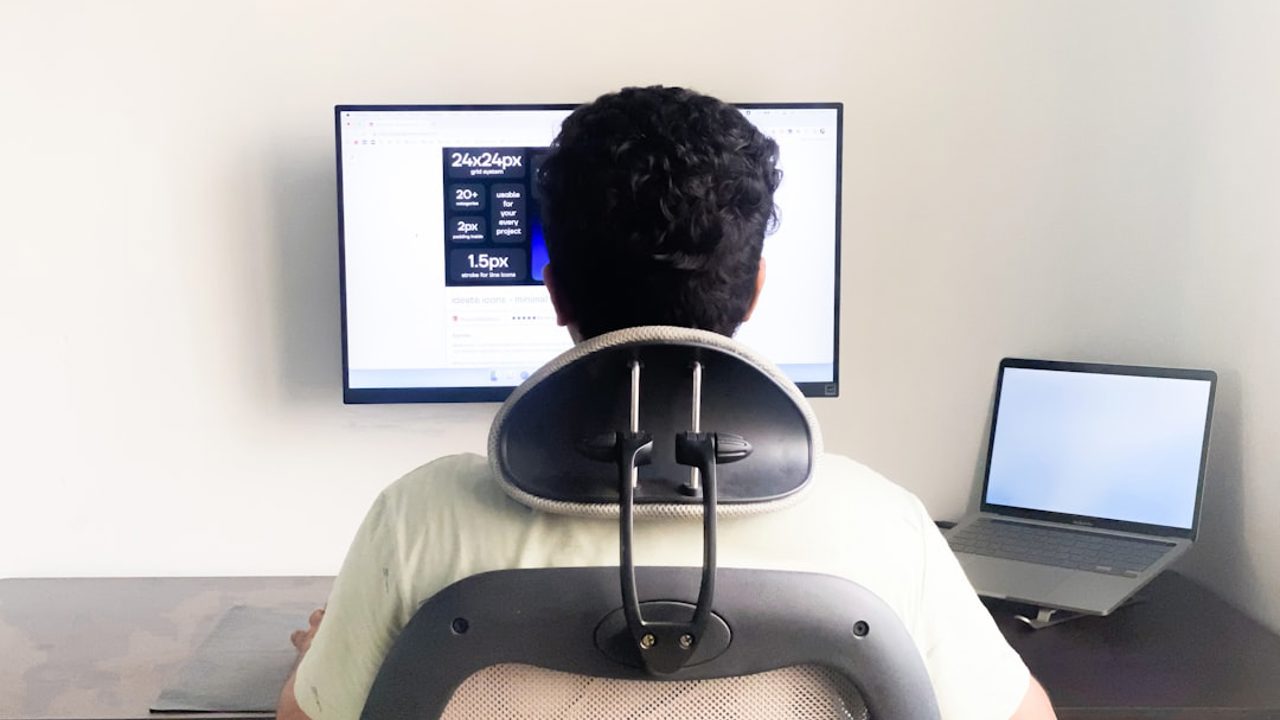
Daily habits can be as effective as exercise. Rounding the shoulders forward while sitting for long periods, the head moving forward, and the ribs locking can restrict the natural movement of the scapula. Small adjustments such as setting screen height, relaxing the front of the chest with short breaks, and not pinching the phone with the shoulder can support the effects of Pilates practice.
Because not every shoulder responds the same way, it is important to adapt exercises to the individual. If there are situations such as sharp pain, numbness, loss of strength, or pronounced discomfort that increases at night during movement, it may be appropriate to consult a professional. Pilates exercises selected with proper guidance can help improve scapular control and increase upper body strength more evenly, making shoulder use more comfortable.