As the pace of daily life increases, stress and anxiety can rise in waves. In this process, gently moving the body, regulating the breath, and building habits that can help send the nervous system an “I am safe” signal may be a supportive approach for many people. When Pilates flows, rhythmic breathing, and a vagal tone focus come together, they can offer a holistic practice that aims to create a calmer ground for both mind and body.
Pilates’ contribution to stress management and body awareness
One of Pilates’ strengths in stress management is that it brings attention back to bodily sensation. Moving the spine within safe ranges in the flow, engaging the core area with gentle awareness, and working without unnecessarily tightening the muscles can strengthen the sense of “here and now.” This, in some people, may help reduce mental distraction and contribute to slowing the tension cycle.
What is rhythmic breathing and how is it used in a Pilates flow?
Rhythmic breathing refers to using the breath like a “metronome” throughout the practice. The goal is not to hold or force the breath, but rather to maintain its continuity and soft flow. Especially a long, controlled exhale can be seen as a signal that may support the body’s relaxation response; therefore, making ample space for the exhale in many Pilates flows can make it easier to calm down.
A vagal tone focus, on the other hand, can be considered an approach aimed at supporting the parasympathetic nervous system to come online via the vagus nerve. The vagus nerve is like a broad communication line associated with breathing, heart rhythm, digestion, and emotional regulation. In practice, the goal may not be “high performance,” but rather to remind the body of recovery mode with safe, slow, and consistent cues.
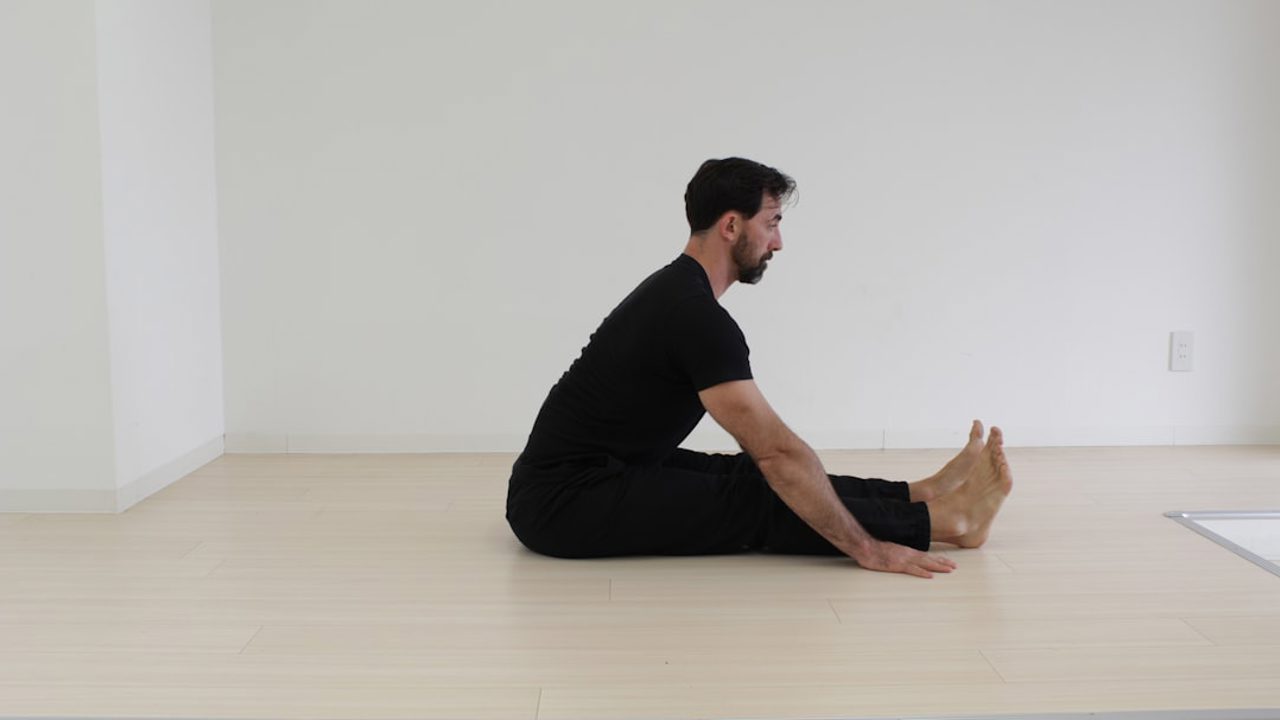
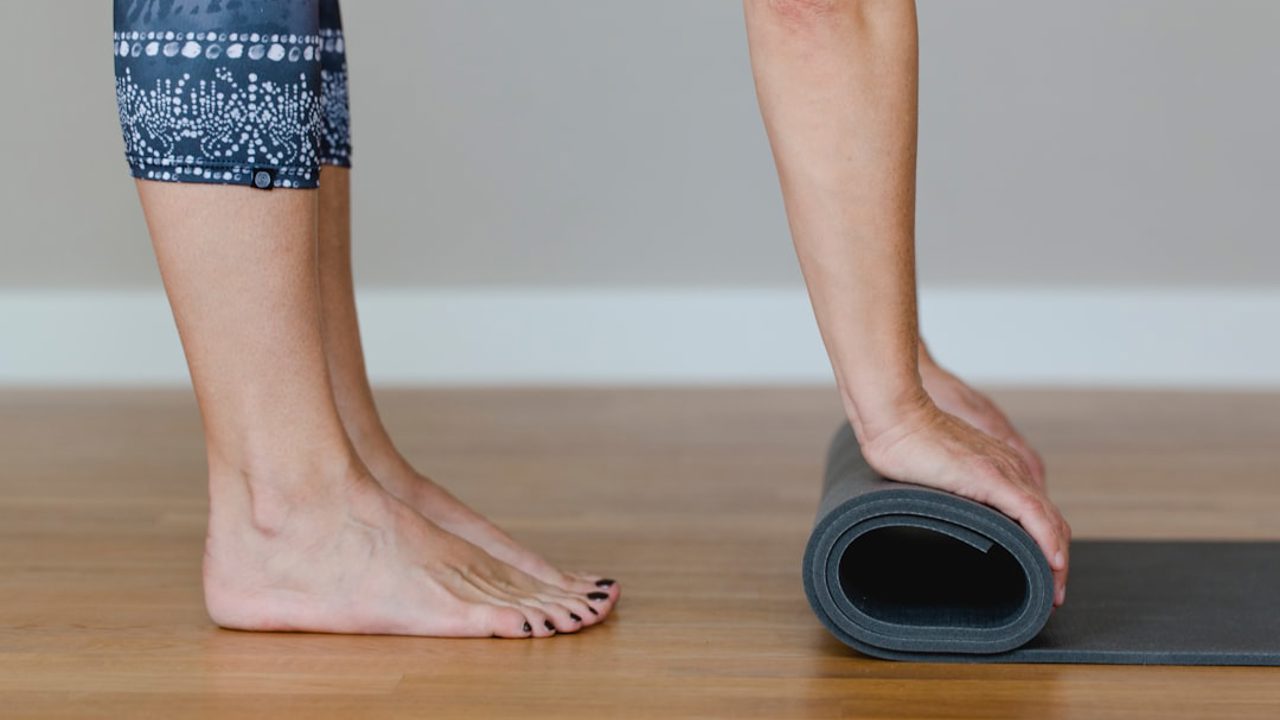
One of the most important principles when structuring a Pilates flow for stress reduction is to start gently. The body may already have been on alert during the day; therefore, warming up with low-intensity movements instead of fast transitions may feel better. At the beginning, spinal mobilization and small, relieving ranges around the hips can create a suitable space to settle the breath into a rhythm.
A simple way to apply rhythmic breathing in practice is to try to lengthen the exhale during the challenging part of the movement. For example, lengthening the breath as you round the spine or lower the arms with control can help reduce unnecessary gripping in the muscles. Allowing the breath to flow “quietly” through the nose can also increase a sense of calm in some people; however, if the nose is congested or discomfort arises, the more comfortable option can be chosen.
Vagal tone focus: tips to help soothe the nervous system
For a vagal tone focus, it can be valuable to notice tension especially around the neck, jaw, and rib area within the flow. Many people clench their teeth, lift their shoulders, or hold their breath in the chest when stressed. During Pilates, softening the jaw, placing the tongue in a comfortable position on the palate, and “weighting” the tops of the shoulders can support the breath in moving more in harmony with the diaphragm.
In a flow that aims to soothe stress and anxiety, the tempo is usually decisive. Instead of very fast repetitions, combining a small number of movements in a more mindful way can reduce the mind’s pressure to “keep up.” Leaving a short integration section at the end of the flow—for example, lying on your back and following the breath—can help carry the effects of the practice into daily life more gently.
Even when the focus is core work, it is important that the approach be in the form of “gentle activation.” Instead of strongly pulling the abdomen in, maintaining a sense of three-dimensional expansion in the abdomen and ribs along with the breath can offer a more regulating experience. Working this way can make it possible to support both posture and breathing comfort at the same time.
Flow structure, micro-practices, and building a sustainable routine
To support balance, adding positions close to the floor that provide a sense of safety into the flow may work for some people. Positions such as lying on the back, side-lying, or all fours can make it easier to relax by sending the body the message “there is ground.” If standing sections are to be included, keeping them short and slowing down transitions can provide a more balanced experience.
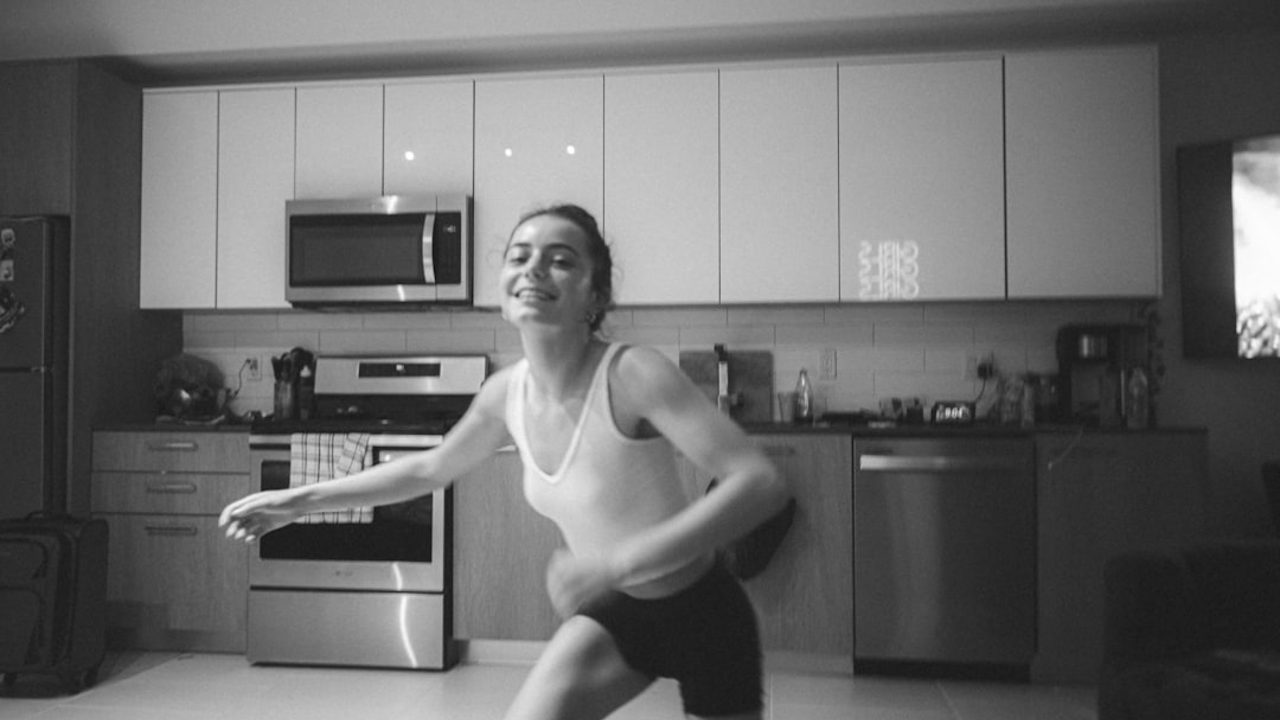
Creating short “micro flows” during the day can also be advantageous for sustainability. Five minutes of gentle spinal movements, a few controlled breathing cycles, and small exercises focused on releasing the shoulder girdle can help maintain a connection to the practice even on busy days. As the duration gets shorter, what matters is keeping the rhythm and softness, not setting a performance goal.
Paying attention to bodily signals during practice is a fundamental part of safety. In situations such as dizziness, noticeable difficulty breathing, a feeling of tightness in the chest, or increasing restlessness, it may be more appropriate to pause, lighten the movement, or end the practice for that day. If signs of stress and anxiety significantly interfere with daily life, seeking support from a health professional may also help manage the process better.
In conclusion, Pilates flows aimed at reducing stress and anxiety can offer a framework that supports a calmer nervous system response when combined with rhythmic breathing and a vagal tone focus. The main idea here is to regulate the body rather than push it; to soften the breath rather than control it; to settle into rhythm rather than speed up the flow. A regular, personalized practice can, over time, become a gentle lifestyle support that may contribute to feeling more balanced.