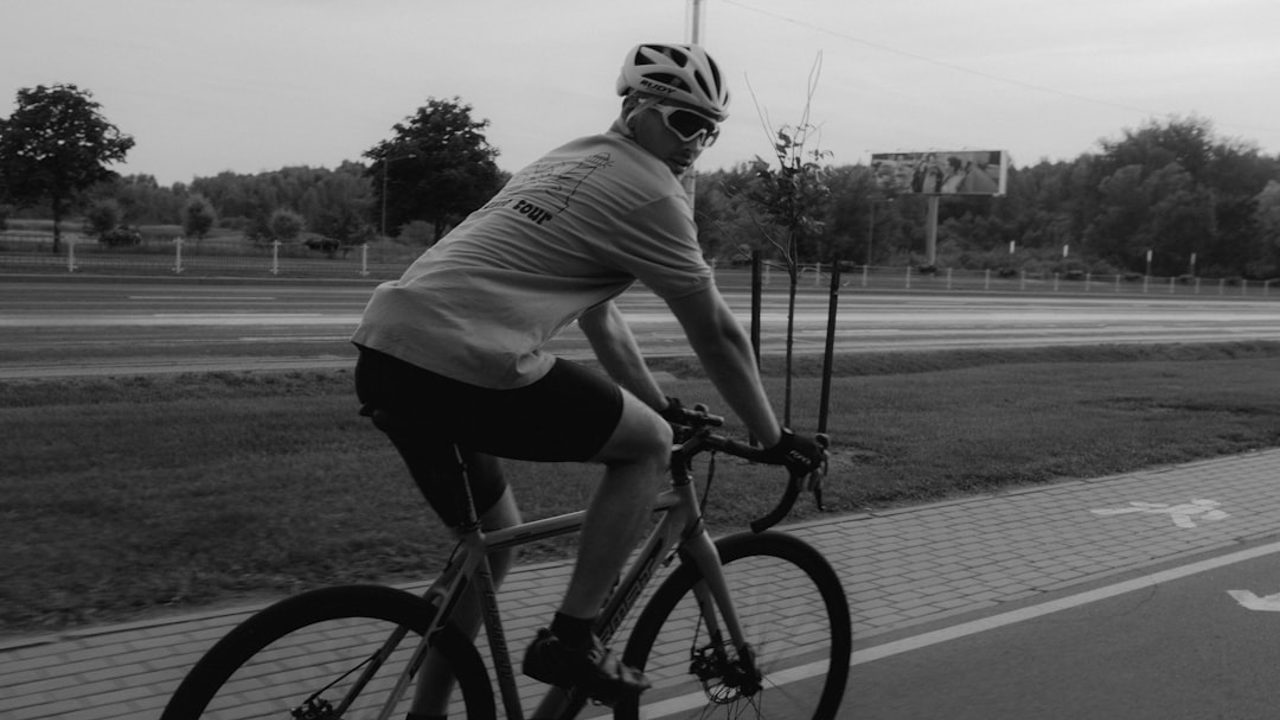
While cycling can bring a lot in terms of endurance and fitness, because it can keep the body in a posture close to a “seated position” for a long time, it may increase the sense of tightness in certain areas. Especially the hip area and the lower back can become more sensitive over time with the repetitive pedaling motion and forward-leaning position. Pilates, with its focus on controlled movement, breathing, and alignment, can be seen as one of the methods that may support a more comfortable feeling of movement in these areas.
Why can hip flexors shorten in cyclists?
The hip flexors are a muscle group that connects the front of the thigh to the hip and helps draw the leg toward the torso. When the hip stays close to a constantly flexed position on the bike, these muscles may show an adaptation that “tends to shorten”; in some people this can reveal itself through signals such as the hip lagging behind when stepping, a reduced feeling of opening up while running, or a pulling sensation in the front of the hip after training.
How can lower-back tightness appear in cyclists?
Lower-back tightness, even if it cannot always be attributed to a single cause, can be a common picture in cyclists. When the hip flexors and the front of the thigh work more dominantly, a movement strategy may develop in which the lower back engages more than necessary during hip extension (opening the hip backward). This may be experienced as an increased feeling of “compression” or stiffness in the lower back, especially after long rides.
How does Pilates support the hip and lower-back line in cyclists?
What stands out about Pilates for cyclists is that it focuses not only on stretching, but also on pelvic alignment, core control, and balanced activation of the muscles around the hip. This approach may support using the hips more efficiently while calming tissues that feel tight. In this way, the aim is that the lower back does not have to carry the load on its own in every movement.
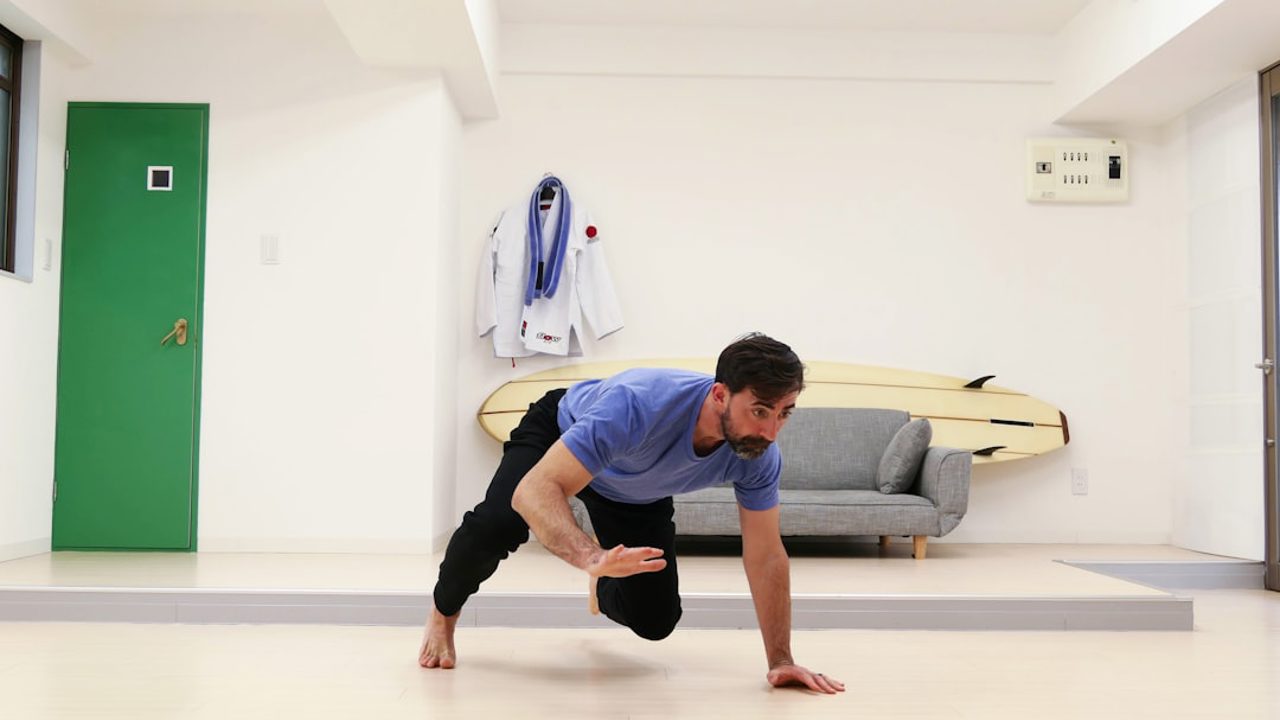
One of the most critical points in Pilates work aimed at reducing the feeling of hip-flexor shortness is the idea of “lengthening from the hip, not from the lower back.” For example, in kneeling lunge-like openers, thinking about keeping the ribs gently down and lengthening the tailbone without arching the lower back can bring a more targeted stretch sensation to the front of the hip. The goal here is not so much the shape of the pose, but finding a controlled and tolerable tension on the front surface of the hip.
Another Pilates-based focus that may help ease lower-back tightness is moving the spinal segments one by one. Pelvic tilts, bridge variations, and controlled spinal rolling work may help some people reduce the feeling of the lower back being “locked” and make the range of motion more comfortable. Not forcing into the point where it becomes painful and staying in a gentle flow usually provides a more sustainable approach.
Hip activation, breathing, and core control: Contribution to pedaling efficiency
When the back of the hip and the lateral hip muscles (such as the gluteus medius) do not engage sufficiently in cyclists, knee-hip alignment can deteriorate while pedaling and the lower back may have to do more stabilization. In Pilates, side-lying leg lifts, clam-like hip-opening activations, and single-leg bridge variations can be considered among the options that may help “wake up” these muscles. In this type of work, small but clean movements can provide better feedback than big, uncontrolled repetitions.
Breathing is another practical contribution Pilates can provide for cyclists. During riding, many people may hold their breath without realizing it or may not use the rib cage enough; this can be accompanied by an extra sense of tightness in the neck, shoulders, and lower-back line. A breathing pattern in which the ribs expand to the sides and back, and the abdominal wall gently draws in on the exhale, can support core control during movement.
Pilates scheduling and the effect of cycling position
Timing of practice is also important: aggressive stretching done immediately after very intense rides may not feel good for some people. Instead, a short mobility and breathing routine after the ride can be preferred, and a more planned Pilates session on a separate day. Short sessions done regularly but at a reasonable frequency can become a habit more easily compared to long sessions done once in a while.
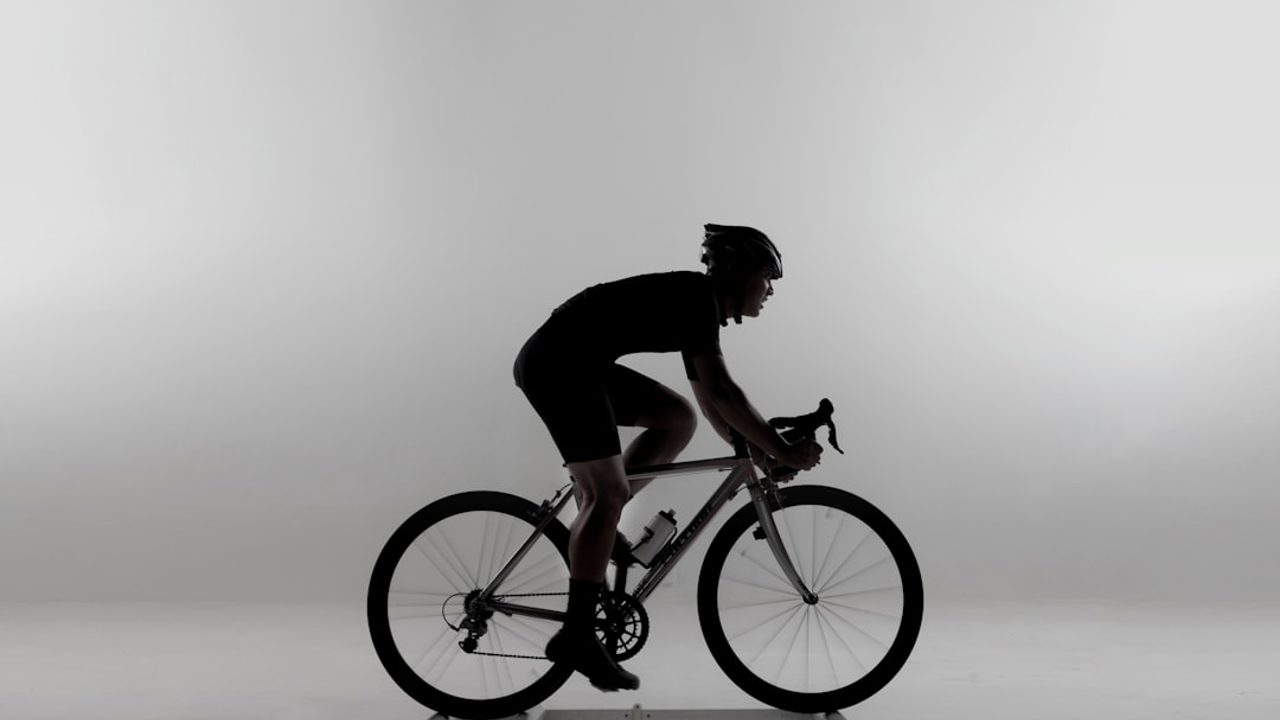
Cycling position and daily life can also affect the picture. Factors such as saddle height, handlebar reach, sitting for long periods during the day, and staying inactive may seem to increase the load on the hip flexors and the lower back. To support Pilates, taking short standing breaks during the day, gently extending the hip backward, and adding small breaks for walking can help reduce the overall perception of tightness.
In summary, the feeling of hip-flexor shortness and lower-back tightness in cyclists is a condition that may be related to position, repetitive movement, and changes in muscle balance. Pilates can help promote relief in these areas and develop more balanced movement patterns through controlled breathing, alignment, and hip–core coordination. If situations such as sharp pain during movement, numbness, or a marked increase in complaints occur, consulting a specialist for an individual-appropriate assessment may be a safer path.