During travel and vacation periods, your eating routine can easily drift away from your daily rhythm. Trying new flavors, changing schedules, and the feeling of “I’m on vacation” can affect your appetite. Still, a few practical approaches can help you both keep the enjoyment and feel more balanced.
It can help to first set an intention: On vacation, the goal is often not “eating perfectly,” but spreading energy throughout the day and enjoying the trip without burdening your stomach. This perspective can reduce guilt and support calmer choices. Especially on days with lots of walking, small but nourishing touches can also make performance feel easier.
Ways to Create Balance at the Hotel Breakfast
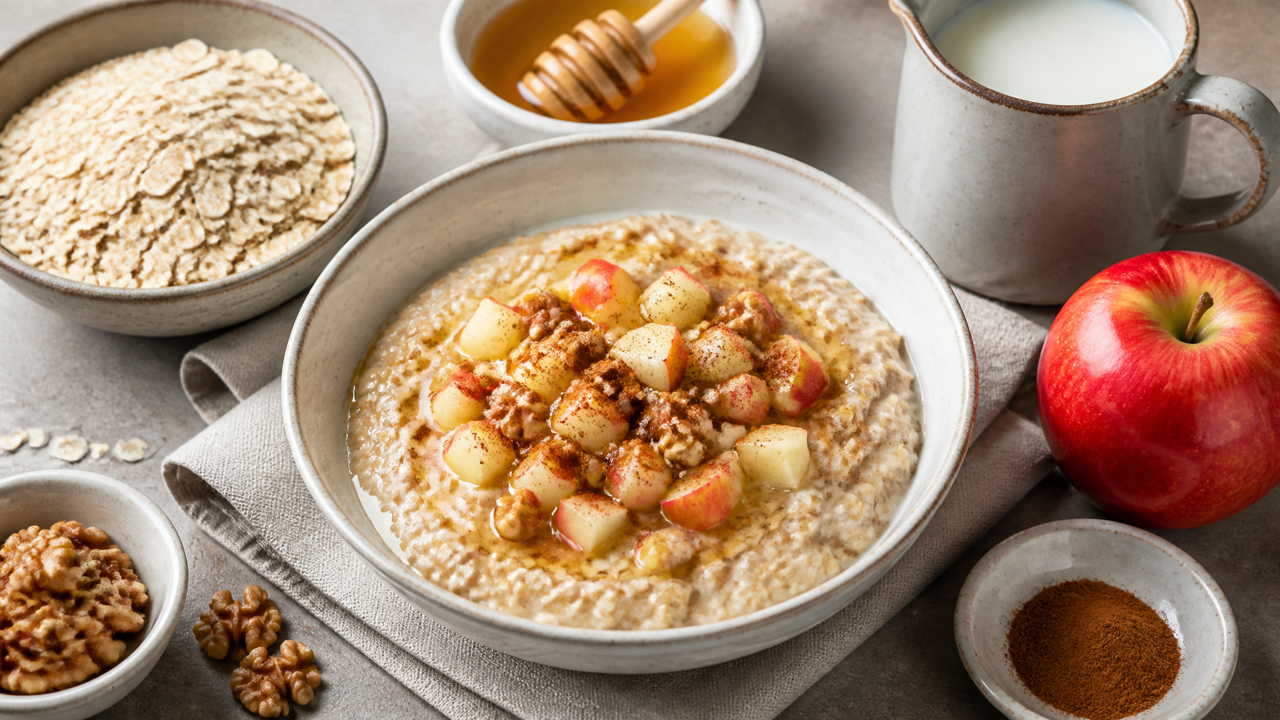
Hotel breakfast is one of the areas many people struggle with most; an abundance of options can make decisions harder. For some people, dividing the plate into 2–3 main parts works well: a protein source (like eggs, cheese, yogurt), a fiber-containing side (vegetables, fruit, whole-grain options), and a small portion for enjoyment. Such a balance can support feeling full longer and reduce the need to snack throughout the day.
At an open buffet, speed can unknowingly increase your portion size. Getting a small plate on the first round, trying what you like in “tasting” amounts, and adding more after 10 minutes if you still want it can be a more controlled method. This way, you won’t miss flavors you’re curious about, and you can make room to hear your body’s signals instead of relying on visual fullness.
Drink choices at breakfast can also affect the rest of the day. Sugary drinks or consecutive strong coffees can create a feeling of a crash after a short-lived energy boost for some people. Water, unsweetened tea, or adding a glass of water alongside coffee can help you feel more balanced, especially in hot weather.
Nutrition and Snack Plan on Flight Days
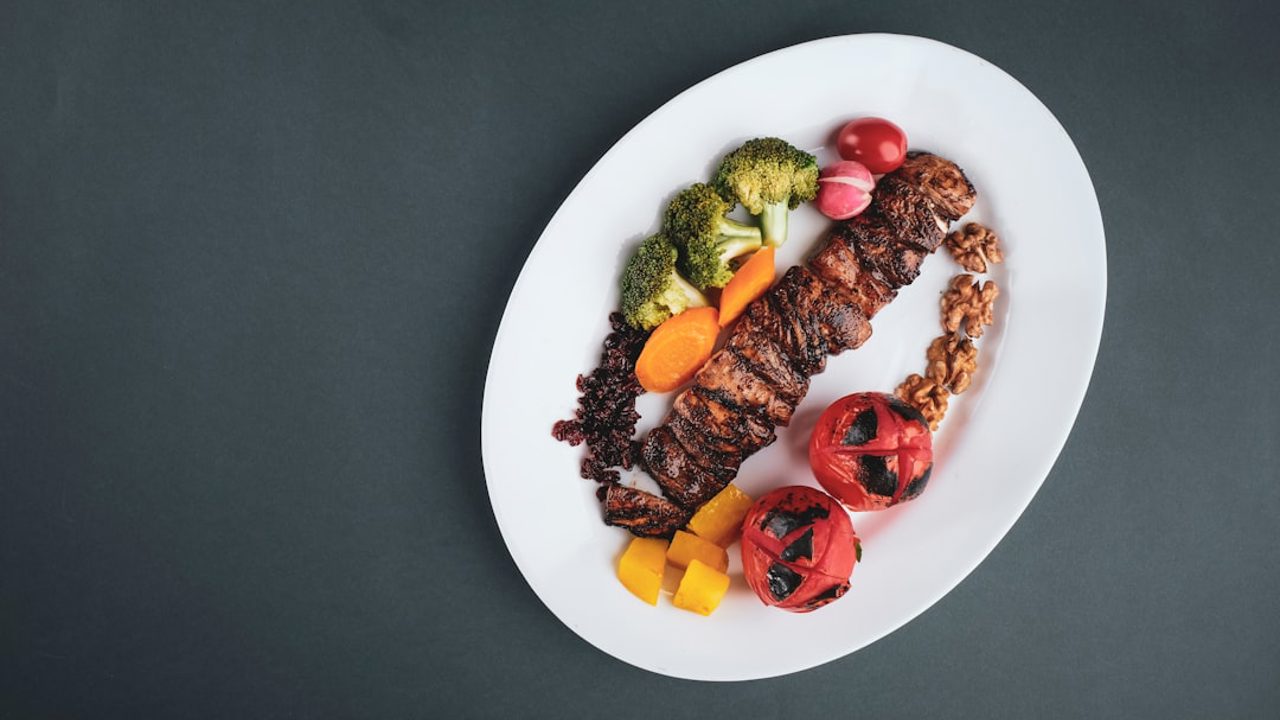
Flight days require a separate plan due to irregular hours and limited options. Not staying overly hungry before the trip can reduce rushed choices when boarding. If possible, carrying an easy-to-transport snack with you (for example a small handful of nuts, fruit, plain yogurt if available) can make long waits easier.
On the plane and at the airport, thirst can often be confused with hunger. Because the cabin environment is dry and your need for water can increase, bringing an empty bottle and filling it after security can be a practical solution. Also, since alcohol can increase both dehydration and appetite for some people, alternating with water to balance it can help you feel more comfortable.
Time Difference (Jet Lag) and Meal Timing
When there is jet lag or a time difference, meal times can also shift. In such periods, instead of the pressure to “eat exactly on time,” following hunger cues and reducing heavy choices very late at night can support sleep quality for some people. Choosing lighter but nourishing meals in the first days can make it easier to adapt to the rhythm.
More Balanced Ordering and Portion Management at Restaurants
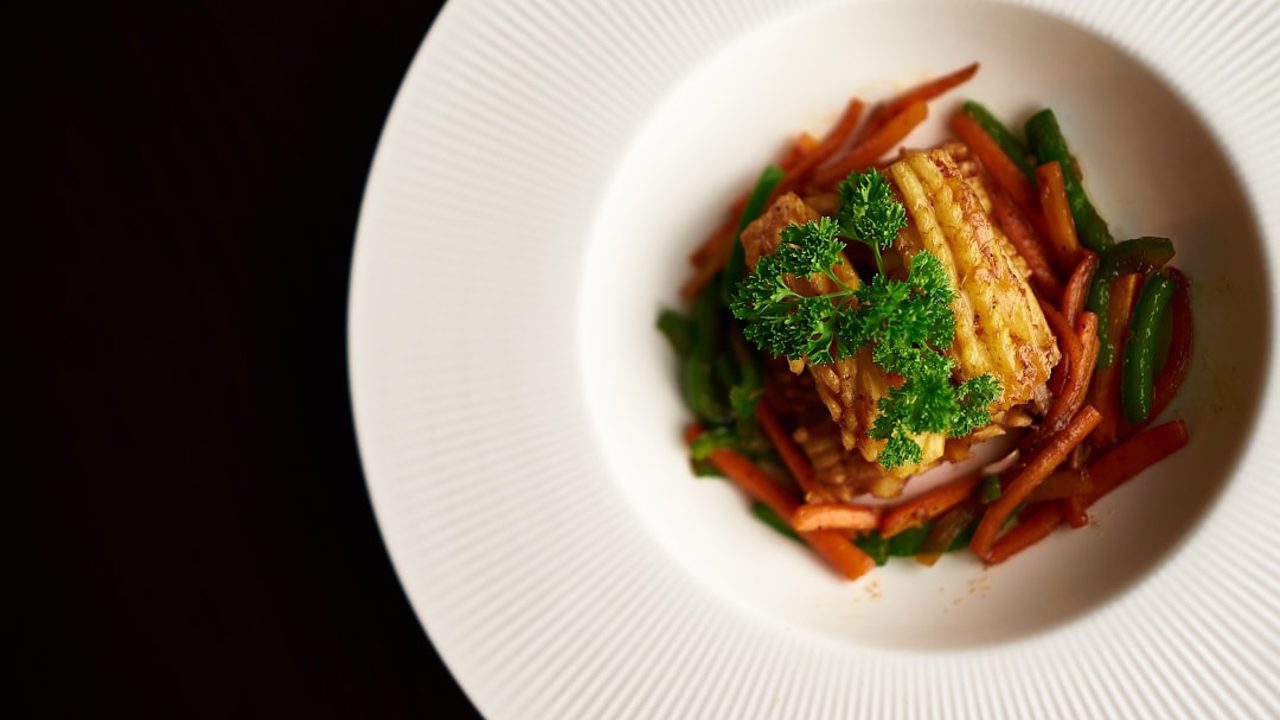
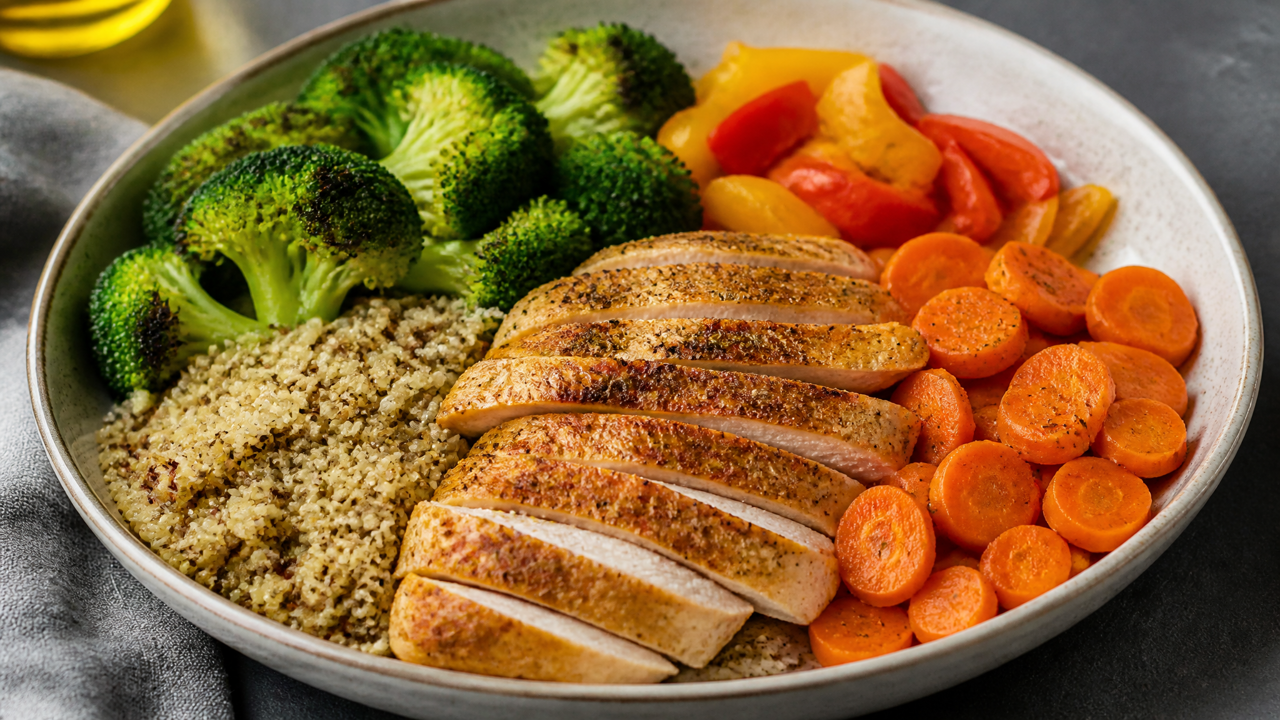
Portion management at restaurants usually starts at the moment of ordering. Ordering when you’re very hungry can push you to choose based on what looks filling; so drinking water first and looking at the menu calmly can help. When choosing a main dish, adding a side that includes vegetables or opting for grilled/oven-baked options instead of fried can make it easier to build a more balanced plate.
When portions feel large, it’s common to feel obligated to finish the plate. If the table is open to sharing, splitting a main dish, using an appetizer as the main, or setting half aside as soon as it arrives can be a practical approach. In some places, asking for a to-go box can also reduce waste by allowing you to use the remaining portion later.
Desserts, Snacks, and Sustainable Flexibility on Vacation
Desserts and snacks can be enjoyable parts of a vacation; what matters here is adjusting frequency and amount according to your personal comfort. If you’re going to eat dessert, trying a favorite option in a small portion can offer an “less but satisfying” experience. If dessert is planned during the day, increasing the emphasis on vegetables and protein a bit in other meals can support balance.
Throughout the vacation, building a flexible routine instead of “perfect control” is usually more sustainable. Setting one small goal for each day (for example adding a vegetable at every meal or increasing water intake during the day) can help maintain motivation. This way, without disrupting the spontaneous flow of the vacation, it can become easier to stay within the line where your body feels good.
In summary, creating balance at hotel breakfast, being prepared on flight days, and managing portions at restaurants can support feeling more comfortable on vacation. Since small decisions can add up to make a big difference, choosing the methods that suit you and applying them flexibly can be a good approach for most people. While enjoying your vacation, focusing on maintaining your energy can make the experience more enjoyable.