
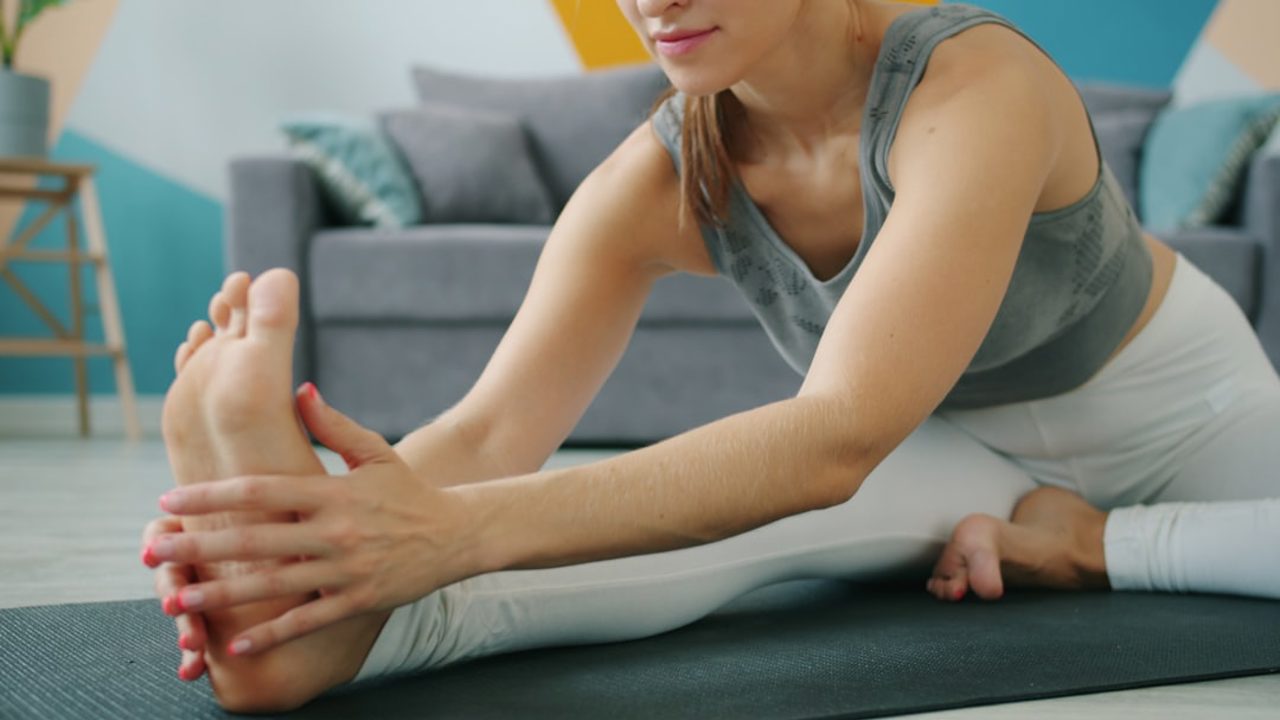
The menopause period is a process in which, along with changes in the body’s hormonal balance, different needs may emerge in areas such as bone structure, muscle strength, and balance. In this period, regular and mindful movement can help you feel more comfortable in daily life and support maintaining body awareness. Pilates, with its controlled exercise approach, can be considered a gentle yet effective option for many people.
Pilates and Bone Density in Menopause: Realistic Expectations
With menopause, a tendency toward decreased bone density may be seen, and this can increase concerns about fragility in some people. Pilates should not be regarded as a method that directly “increases” bone tissue; nevertheless, it can be part of a lifestyle that supports overall bone health through practices that increase the pulling force muscles apply to bone and aim to improve posture. It should not be forgotten that regular movement can make a more meaningful contribution when combined with habits such as balanced nutrition and sleep.
Core Strengthening: Spinal Support and Ease of Daily Movement
One of the prominent aspects of Pilates is its focus on strengthening the area referred to as the “core,” including the abdomen, lower back, hips, and the area around the pelvis. Better function in this region can help distribute the load on the spine more evenly and help you feel more in control during daily movements. Even in simple activities such as getting up from a chair, climbing stairs, or standing for long periods, a more stable posture can be aimed for.
Improving Balance: Proprioception and Controlled Movement Practices
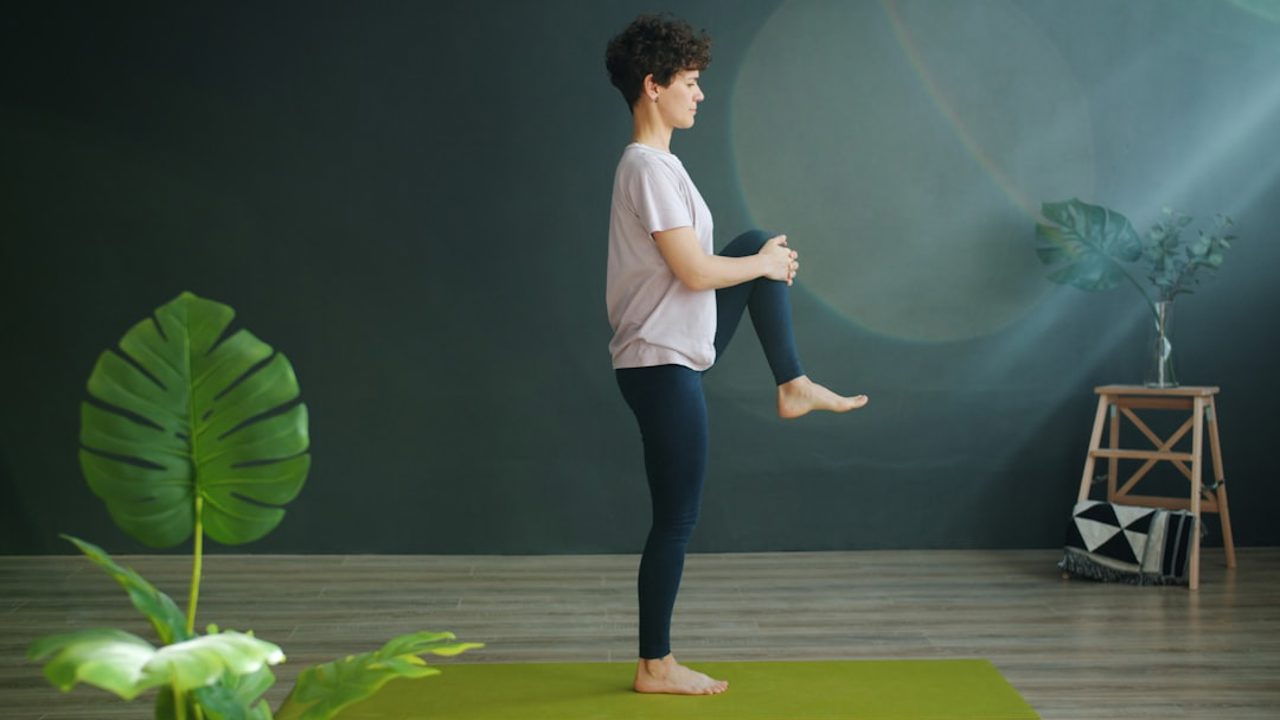
The topic of balance may become more important during menopause; because changes in muscle strength, joint mobility, and general fatigue can sometimes increase the feeling of wobbling. Pilates exercises, with their slow tempo and focus-demanding structure, can help develop the skill called proprioception—“feeling the body’s position in space.” Controlled single-leg stances, small weight shifts, and direction-change practices can be counted among elements that support balance when practiced in a safe environment.
Posture and Breathing: Support with a More Upright Stance and Stress Management
Posture—that is, standing and sitting habits—can also be indirectly associated with bone health. Especially when the tendency to hunch in the upper back increases, the shoulders may round forward and it may feel as if breathing capacity is restricted. Pilates’ approach to spinal alignment, the placement of the shoulder blades, and opening the rib cage can support a more upright and comfortable posture; this can strengthen the feeling of carrying yourself more balanced in daily life.
Pilates’ controlled breathing practices can help you notice unnecessary tension during exercise and perform movement more efficiently. Coordinating the breath with movement may support stress management in some people, which can provide indirect benefits in various areas from sleep quality to motivation. Of course, since each individual’s stress response is different, the best approach is shaped by personal experience.
Safe Pilates Practice: Program Selection and a Holistic Approach with Daily Habits
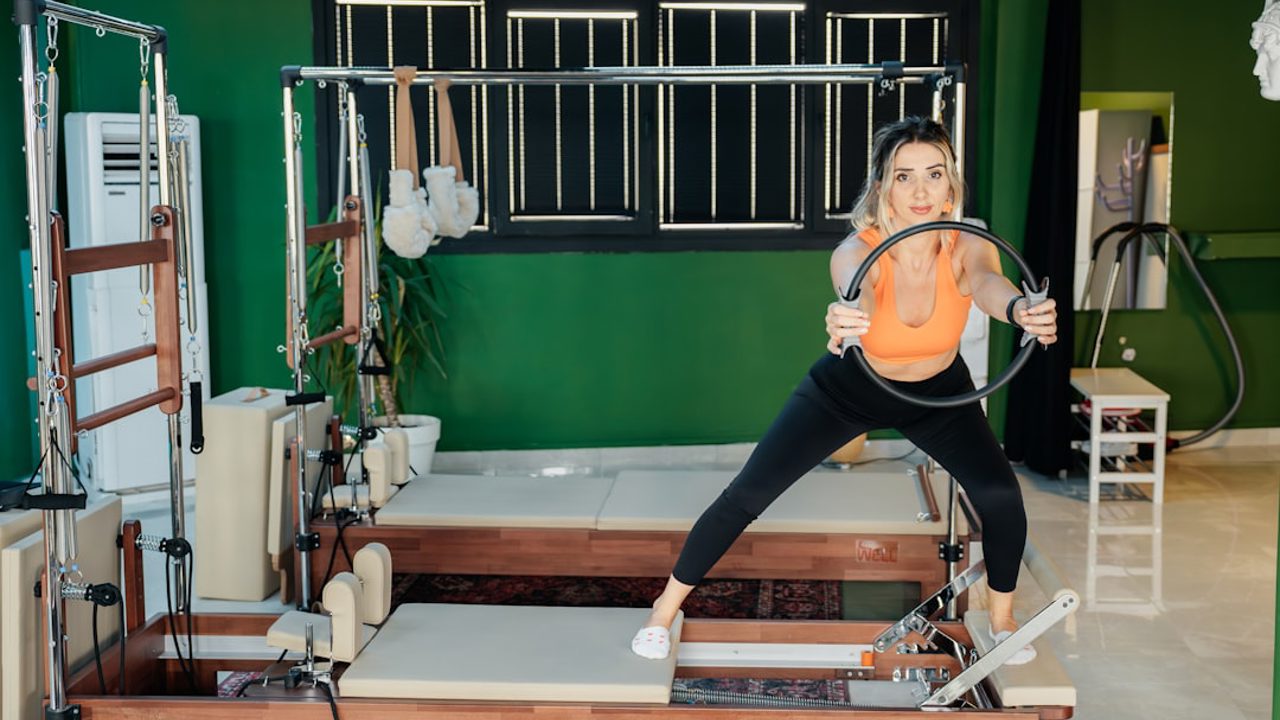
When practicing Pilates during menopause, safe progression is important. Instead of sudden, strenuous movements that could lead to loss of control, it may be more appropriate to learn the basic principles and work with intermittent rests and good technique. Especially for beginners, progressing with the goal of “feeling it correctly” rather than “doing a lot” can offer a more supportive approach in terms of gaining balance and strength.
When choosing between equipment-based and mat Pilates options, the person’s needs can be decisive. While mat work done with body weight can build basic control and awareness, equipment such as the reformer can make some movements feel more controlled or diversify resistance work. Which option may be more suitable can vary depending on the person’s movement history, current endurance, and the environment in which they feel comfortable.
Supporting balance and bone health may not be limited to exercise alone; small habits spread throughout the day can also be an effective complement. Steps such as daily walks, choosing appropriate footwear, home adjustments to reduce tripping risk, and adequate rest can help you carry the awareness gained through Pilates into everyday life. This holistic approach is also important for sustainability.
In summary, Pilates during menopause, with its structure aimed at supporting muscle strength, posture, and balance, can be a good companion to lifestyle changes that aim to protect bone health. Progressing with a regular, moderate, and individualized program can both increase the sense of safety and support moving more comfortably in daily life. Creating a routine that you adapt to your needs by listening to yourself can be guiding in this process.