The gut microbiota can be thought of as a vast ecosystem made up of many microorganisms living in our digestive system. This balance can be influenced by habits such as what we eat, our sleep patterns, stress levels, and daily movement. When we talk about “strengthening” the microbiota, the goal is generally to support the diversity and resilience of this ecosystem and to establish routines that can make digestion more comfortable.
Supporting microbiota diversity through fiber diversity
One approach that supports microbiota diversity is focusing on fiber diversity. Fiber is a component that can pass through the gut without being digested and can serve as a food source for some beneficial bacteria. Rather than relying heavily on a single fiber source, regularly getting fiber from different plants can help nourish different groups of bacteria.
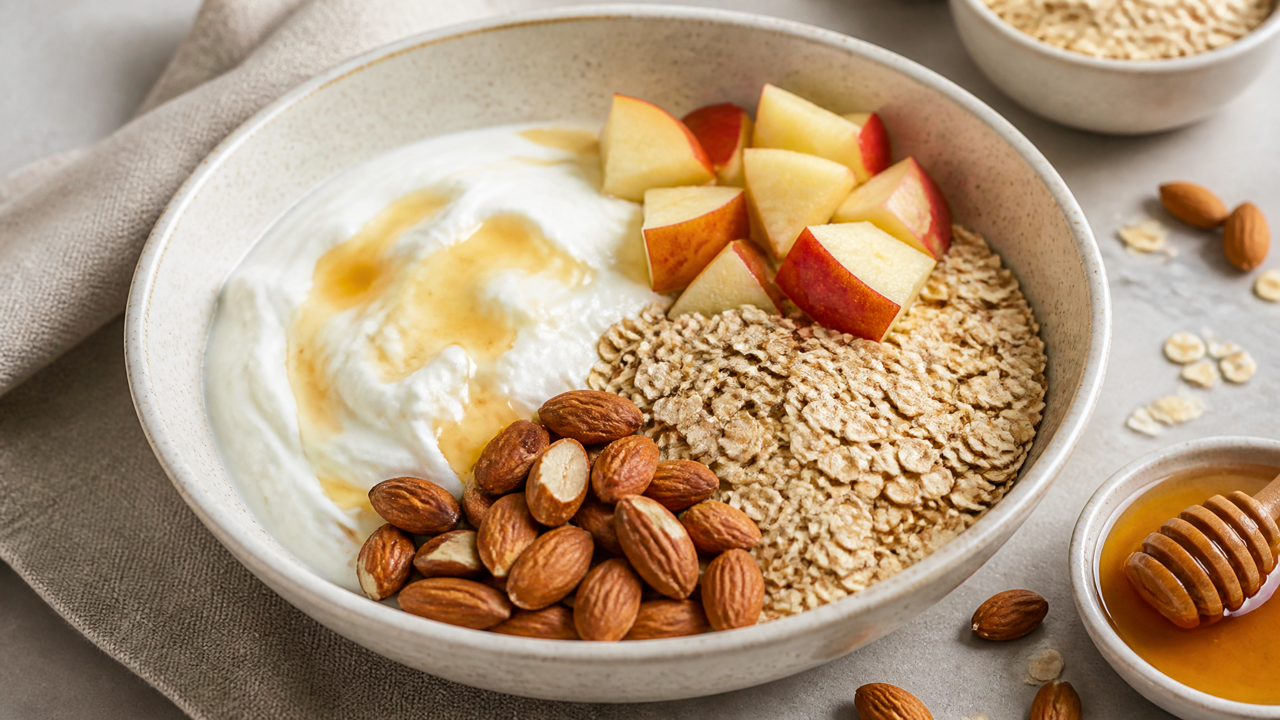
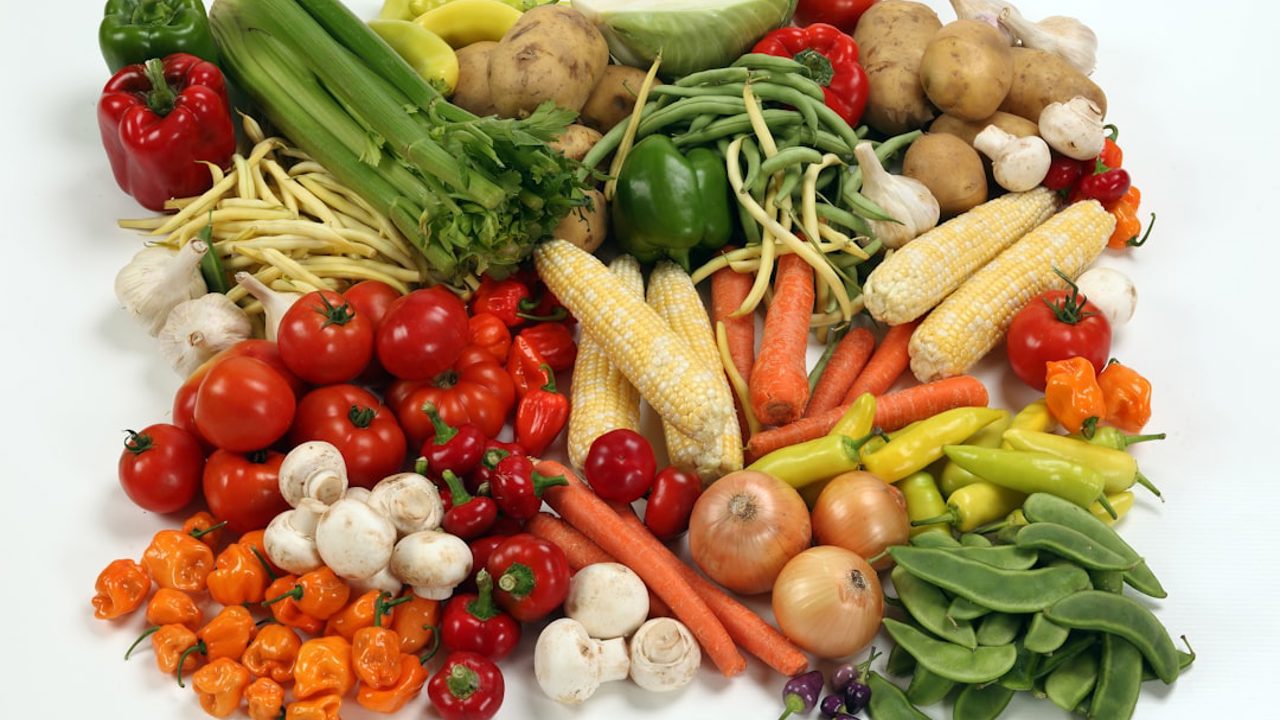
To increase fiber diversity, it can help to broaden the plate in terms of “color and source.” Whole grains, legumes, vegetables, fruits, nuts, and seeds offer different types of fiber; for example, oats and barley can provide more soluble fiber, while some vegetables may stand out with more bulking fibers. Eating seasonally is a practical method that can support both budget and variety at the same time.
When increasing fiber intake, pace may matter as much as quantity. Raising fiber-rich foods all at once can increase gas and bloating in some people; therefore, progressing gradually can provide a more comfortable transition. Getting enough fluids during the day can also help fiber move through the gut more easily.
How can fermented foods affect the microbiota?

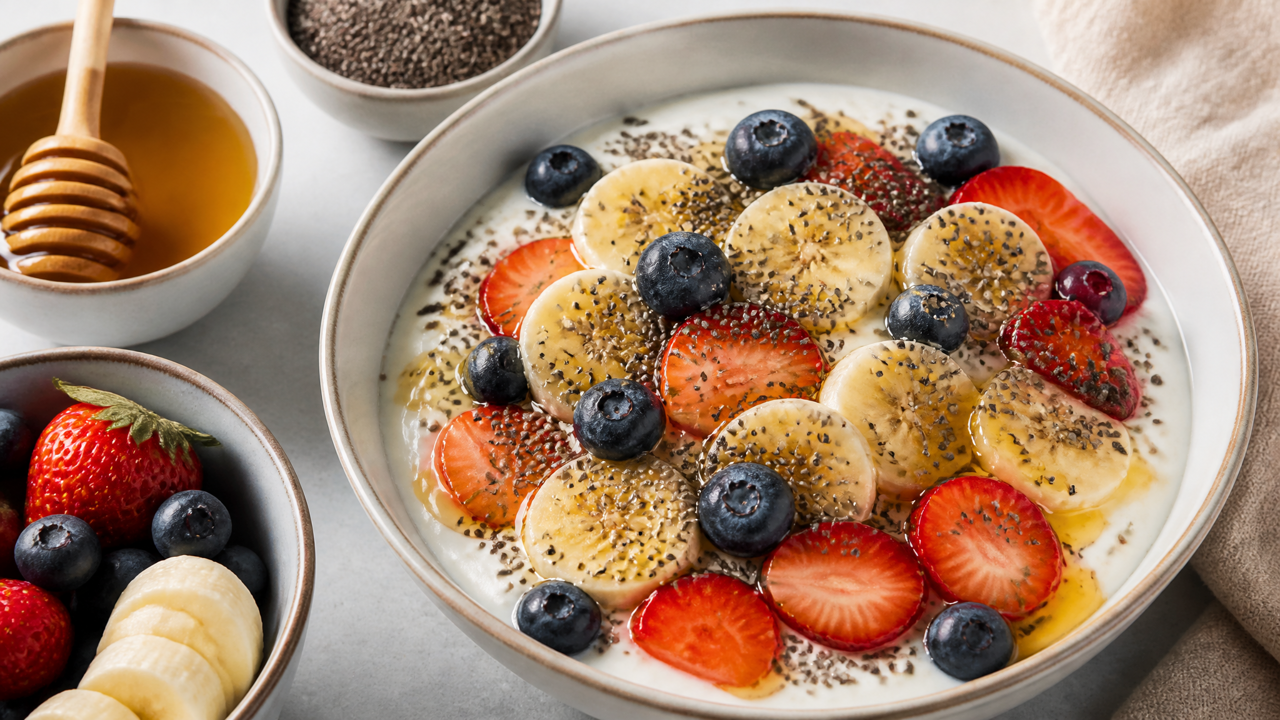
Fermented foods are another topic that people who want to support the microbiota often wonder about. Fermented products such as yogurt, kefir, homemade pickles, and boza may contain live cultures or fermentation by-products depending on the production method and ingredients. These foods may support digestive comfort in some people, but not everyone’s tolerance is the same.
When adding fermented foods to a routine, starting with small portions and monitoring the body’s response is generally a more sustainable approach. Especially with fermented products that can be high in salt, keeping balance in mind and making plainer choices in other meals of the day can help. When possible, opting for choices low in additives and sugar can also improve overall diet quality.
Bloating management: causes and daily habits
Bloating management is an important part of the journey to support the microbiota, because discomfort can reduce motivation. Bloating may not always be a “bad” sign; sometimes it can occur due to factors such as increased fiber, eating quickly, insufficient chewing, carbonated drinks, or stress. Therefore, rather than focusing on a single cause, it may be more meaningful to evaluate daily routines together.
Slowing down the pace of eating and chewing well are simple but effective habits that can make the digestive process more comfortable. Eating too quickly can lead to swallowing more air and an increased feeling of fullness after meals. Moving forward with smaller bites and having meals without screens in a calmer environment can make a difference for some people.
For people experiencing bloating, the type of fiber sources can also be decisive. Some legumes, onion-garlic, or some fruits can produce more gas in people with sensitivities; whereas gentler options such as oats, bananas, and carrots may be tolerated more easily. Soaking legumes in water overnight, cooking them well, and starting with small portions can also help support easier digestion.
Supporting gut rhythm with daily movement, sleep, and stress management

Daily movement is another factor that can support the rhythm of the intestines. Short walks, light stretching exercises, and trying not to sit for long periods during the day can help reduce the feeling of bloating in some people. In addition, establishing a sleep routine and managing stress can indirectly affect digestive comfort through the gut-brain axis.
Building a sustainable routine and when to seek professional support
When creating a routine that supports the microbiota, choosing sustainable small steps rather than “doing a lot” can be easier. Steps such as adding two or three new plant-based foods to the week, trying a fermented product in a small portion, spreading fiber increases over time, and slowing down eating speed can make a meaningful difference when combined. What matters is finding a balance that suits personal tolerance by paying attention to the body’s signals.
If there are situations such as bloating, pain, significant weight loss, a marked change in bowel habits, or long-lasting digestive complaints, a personalized assessment may be more helpful than general recommendations. In such cases, getting support from a health professional can help you chart a path that is both safe and more targeted. Adjusting daily habits step by step is the most practical way for most people to support the microbiota.