
Timing and Structure in Dietary Choices for Insulin Resistance
When insulin resistance is involved, dietary choices often bring up the question, “Is when and how I eat as important as what I eat?” Along with daily rhythm, sleep patterns, level of movement, and stress, meal choices also unfold on a ground that can affect blood sugar fluctuations. For this reason, rather than looking at the topic through a single food, it may be more beneficial to consider breakfast habits, meal structure, and the approach to snacks together.
The Role of Breakfast: Appetite Management and Carbohydrate Balance
Breakfast, in addition to being the first energy source of the day, can be seen as a meal that may support appetite management throughout the day for some people. Especially in the morning, a start heavily focused on carbohydrates can be associated with getting hungry faster or craving sweets, so building balanced content becomes important. Since not everyone’s morning appetite is the same, adjusting the time and amount of breakfast according to your daily plan and hunger signals may offer a more sustainable approach.
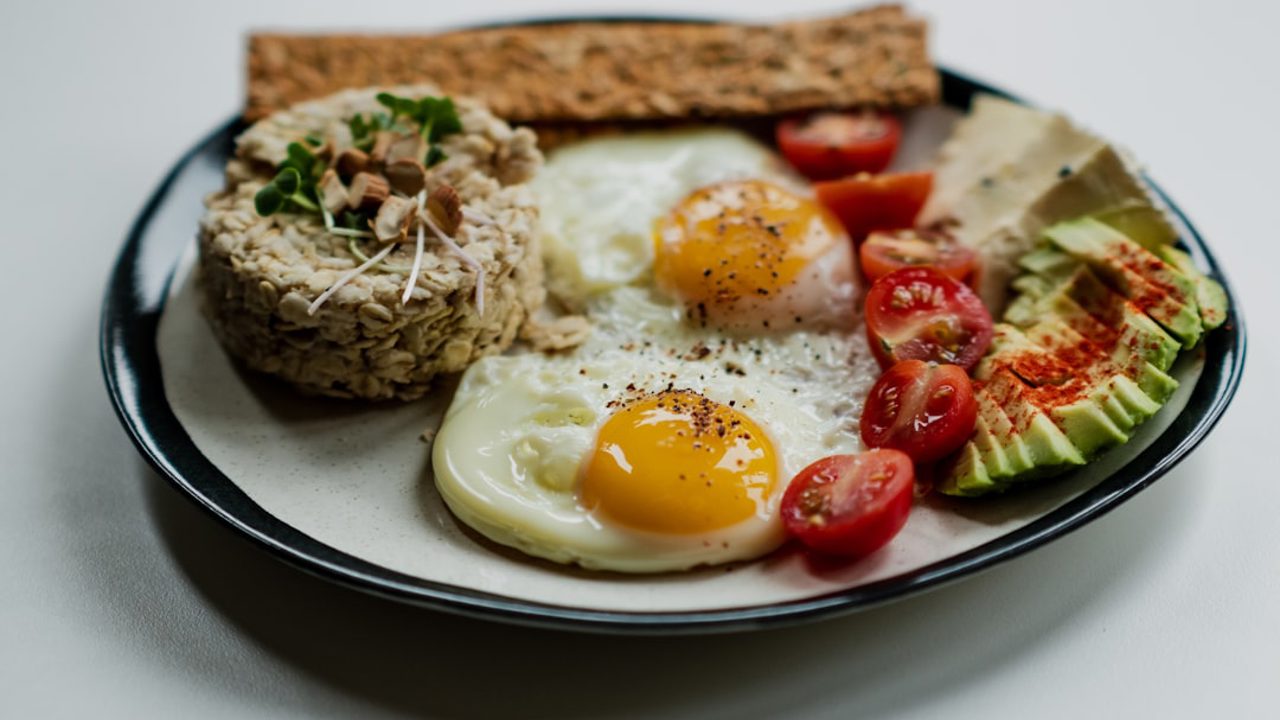
In a breakfast plan that takes insulin resistance into account, including protein, fiber, and healthy fats together can generally help with a more balanced feeling of fullness. Protein sources such as eggs, cheese, and yogurt, when combined with vegetables, greens, and the measured use of whole grains, can provide a calmer flow of energy. Fat sources like olives, avocado, or nuts can also strengthen the balance on the plate; it’s important to remember that portion size may vary from person to person.
At breakfast, options such as bread, simit, poğaça, or jam-honey are more realistic when evaluated in terms of quantity and the foods paired with them rather than treated as completely “forbidden.” For example, adding enough protein and vegetables to a carbohydrate-containing meal may help some people stay full longer. Instead of consuming white-flour products frequently and in large portions, turning to higher-fiber options and bringing balance to the overall meal may be a more functional step.
How Should Meal Structure Be: Eating Small and Often, or Planned Main Meals?
One of the most confusing topics regarding meal structure is the question, “Should I eat little and often, or less frequently but in a planned way?” At this point, rather than a single correct answer, a person’s daytime hunger level, work pace, physical activity, and sleep pattern may be decisive. While regular main meals and not staying hungry for long periods between them can be beneficial for some people, for others the tendency to snack constantly can turn into a habit that may increase blood sugar fluctuations.
The structure of main meals plays a determining role regardless of the number of meals. Increasing the amount of vegetables on the plate, not neglecting a protein source, and not leaving carbohydrates on their own can contribute to a more balanced energy level throughout the day. Also, eating more slowly and mindfully rather than quickly can be considered one of the “invisible” but effective parts of meal structure, since it may help you catch fullness signals better.
Are Snacks Necessary: When and What to Eat?
The topic of snacks is often perceived as something that “must be done,” but in reality the need can vary from person to person. A snack can be thought of as a tool that may help reduce the risk of overeating at the next meal when you’ve gone hungry for a long time, or help balance energy during the day. However, unplanned nibbling throughout the day can unknowingly increase calorie intake, and when combined with quickly eaten foods like sweets and crackers, it can fuel a cycle of getting hungry more often.
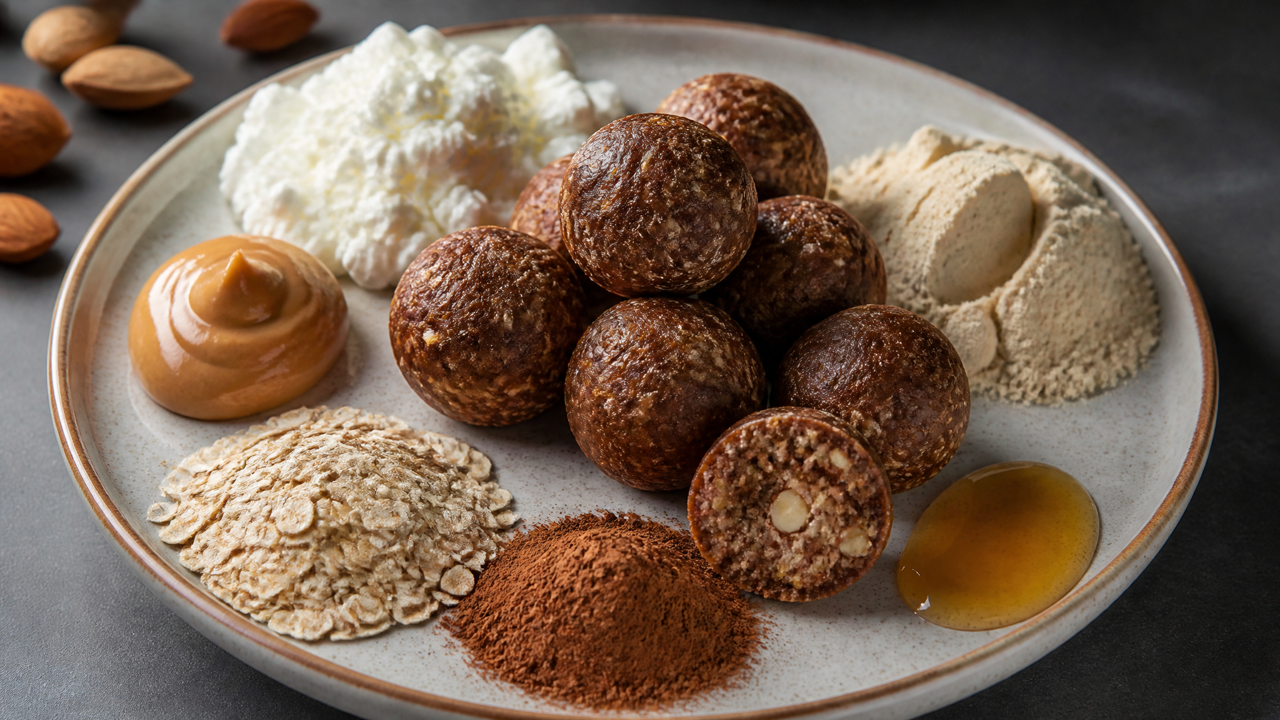
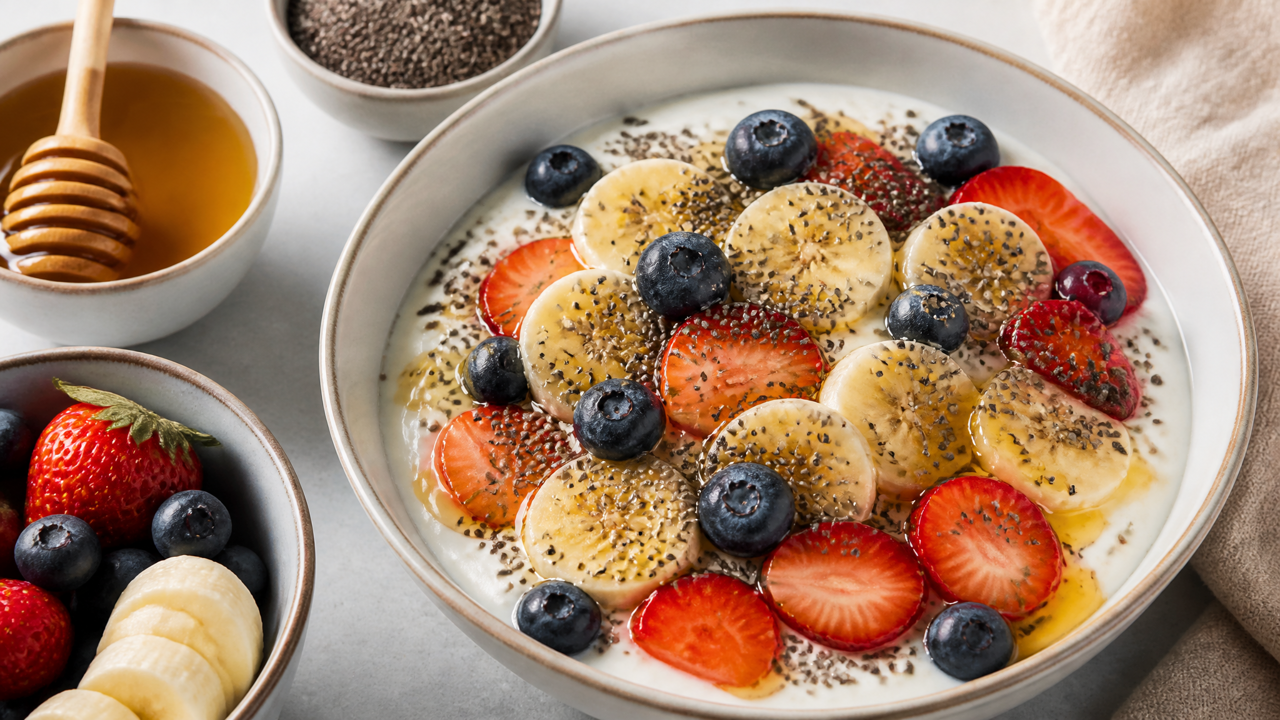
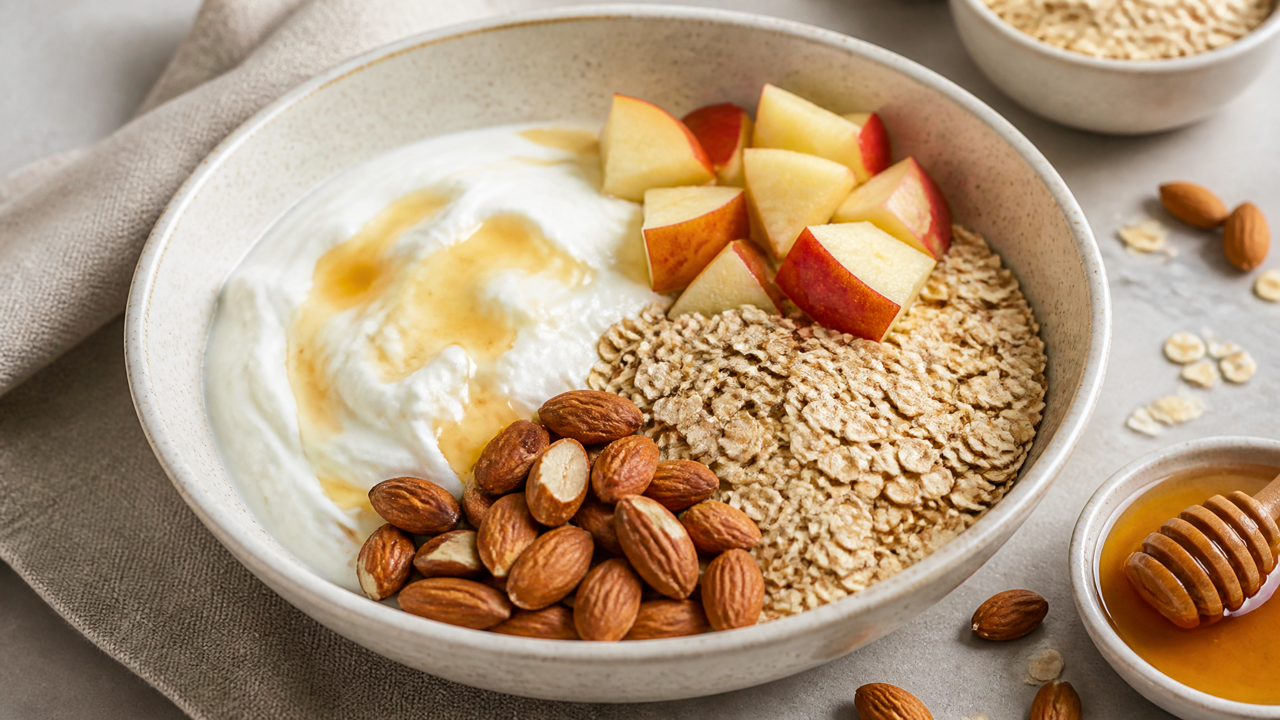
If you are going to have a snack, turning to more balanced alternatives instead of options that “raise sugar and then drop it quickly” can generally yield better results. Combinations like yogurt-kefir with cinnamon and a few walnuts, a portion of fruit with a handful of almonds, a few whole-grain crackers paired with cheese, or a small vegetable-focused plate may help you stay full longer. Since some people who eat fruit on its own can get hungry again in a short time, adding protein or fat alongside it can feel more balanced.
Dinner, Night Snacking, and Beverage Choice
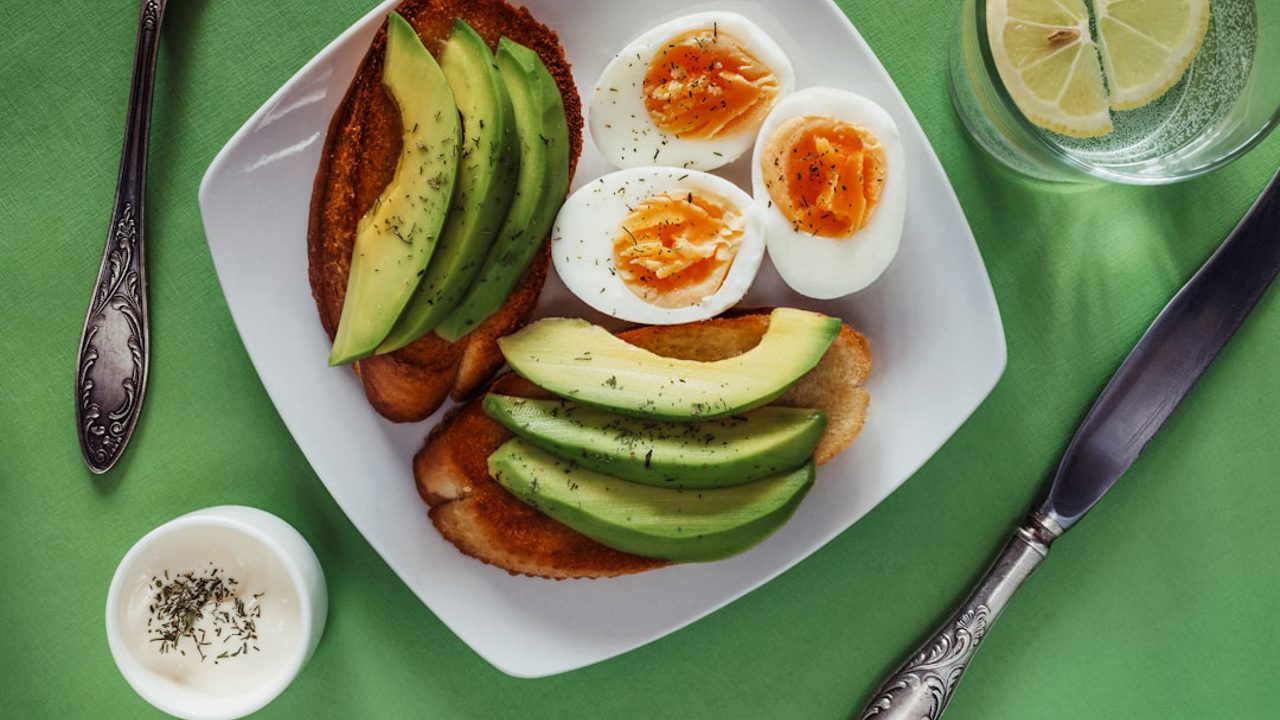
Within meal timing, the habit of eating late at night is also a noteworthy topic. Eating dinner very late or snacking continuously after a meal can make the hunger-fullness balance in the morning harder for some people. Ending the evening with a more balanced plate, reducing snacking in front of a screen, and avoiding heavy portions close to bedtime can be counted among small but effective steps that may support the overall rhythm.
Beverage choice is also often overlooked. Sugary drinks, flavored coffees, packaged fruit juices, and some beverages that look “innocent” can increase the daily sugar load. Increasing water intake, choosing unsweetened tea/coffee, and limiting the use of added sugar in milk-based drinks can help make the eating pattern more balanced.
For those who want to create a practical daily flow, the basic idea may be to try to establish the balance of protein + vegetables/fiber + measured carbohydrates at each main meal, and to see snacks not as a necessity but as support used when needed. Also, eating at similar times on most days of the week, adding light activities such as regular walking to bring more movement into the day, and trying to improve sleep quality are among complementary factors that can strengthen the impact of nutrition.
In conclusion, in insulin resistance, breakfast choice, meal structure, and the approach to snacks are three interconnected parts. A more balanced breakfast, planned main meals, and quality snacks chosen when truly needed may support daytime energy and appetite management for some people. If you want to create a plan suited to your personal goals, health history, or pace of life, moving forward together with a nutrition professional may offer a safer and more sustainable path.