
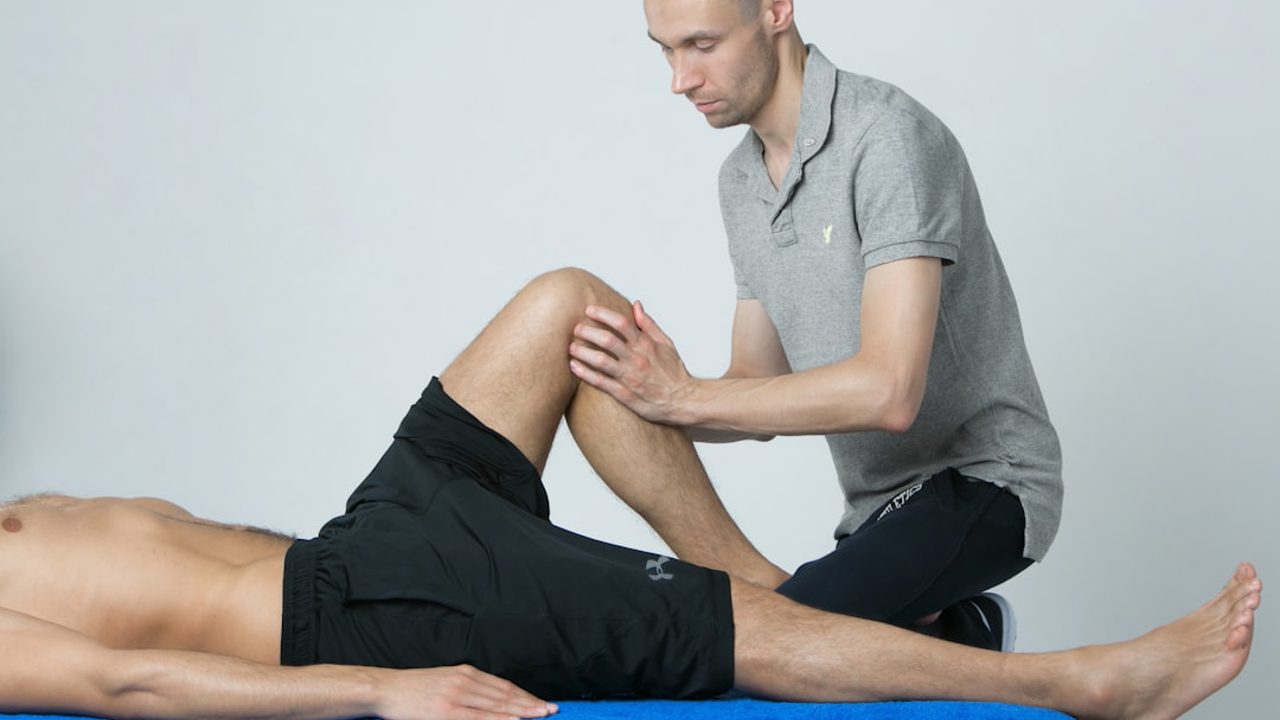
Feelings described as numbness, tingling, or “like an electric shock” can make daily life difficult. Such complaints can sometimes be associated with staying in the same position for a long time, repetitive movements, posture habits, or increased tissue sensitivity. Nerve gliding exercises can also come up at this point as a gentle movement approach aimed at providing relief for some people.
What Are Nerve Gliding (Neurodynamic) Exercises?
Nerve gliding exercises (also referred to in some sources as “nerve mobilization” or “neurodynamic exercises”) are controlled movements that aim to help nerve tissue move more freely relative to surrounding structures such as muscles, ligaments, and fascia. The basic idea is not so much to “stretch” the nerve, but to try to increase its ability to glide by gently moving it from both ends. For this reason, in most practices the goal is a smooth, low-intensity sense of movement rather than increasing tension.
Why Are Nerve Pathways and Freedom to Glide Important?
Nerves pass through specific “pathways” in the body, and along this route they are influenced by the movement of joints such as the shoulder, elbow, and wrist; and the hip, knee, and ankle. When there is stiffness, swelling, overuse, or prolonged static positions in the surrounding tissues, the nerve’s freedom to glide may decrease. Nerve gliding exercises can be considered a “movement hygiene” approach that may help reduce this impact.

In complaints of numbness and tingling, nerve gliding exercises may generally come to mind when symptoms feel as if they follow a specific nerve line. For example, tingling on the thumb–index finger side of the hand, sensations spreading from around the elbow into the hand, or numbness extending from the hip down the leg may indicate nerve tissue sensitivity in some people. Still, since it is not always easy to attribute such sensations to a single cause, it is important to evaluate the overall picture.
In Which Situations Do Symptoms Increase and When Might It Come to Mind?
In some people, complaints increasing with certain positions can also be informative. In examples such as tingling in the hands after sitting at a computer for a long time, numbness when the elbow stays bent while holding a phone, or a spreading sensation in the leg after driving for a long time, a temporary increase in pressure or tension along the nerve pathway may play a role. In such cases, along with short movement breaks spread throughout the day, appropriately selected nerve gliding exercises can be considered a supportive option.
Key Points in Practice: Dosage, Tolerance, and Flare-Ups
Nerve gliding exercises can often be better tolerated when performed without “chasing the symptom.” The aim is not to noticeably increase the symptom; even if a mild sense of tension occurs during movement, it should settle down shortly and not create a persistent flare-up. Increased numbness after practice, pain spreading, or complaints remaining prominent for a long time may suggest that the load was too much for that day.
Another part of the question of when to consider them is how long the complaint has lasted and how much it affects daily function. If numbness and tingling are short-lived and go away quickly when you change position, the priority is usually to vary posture, reduce repetitive loading, and avoid unnecessarily straining the area. Despite this, if complaints become more frequent, last longer, or significantly affect work and sleep quality, it may be beneficial to tailor exercise selection to the individual.
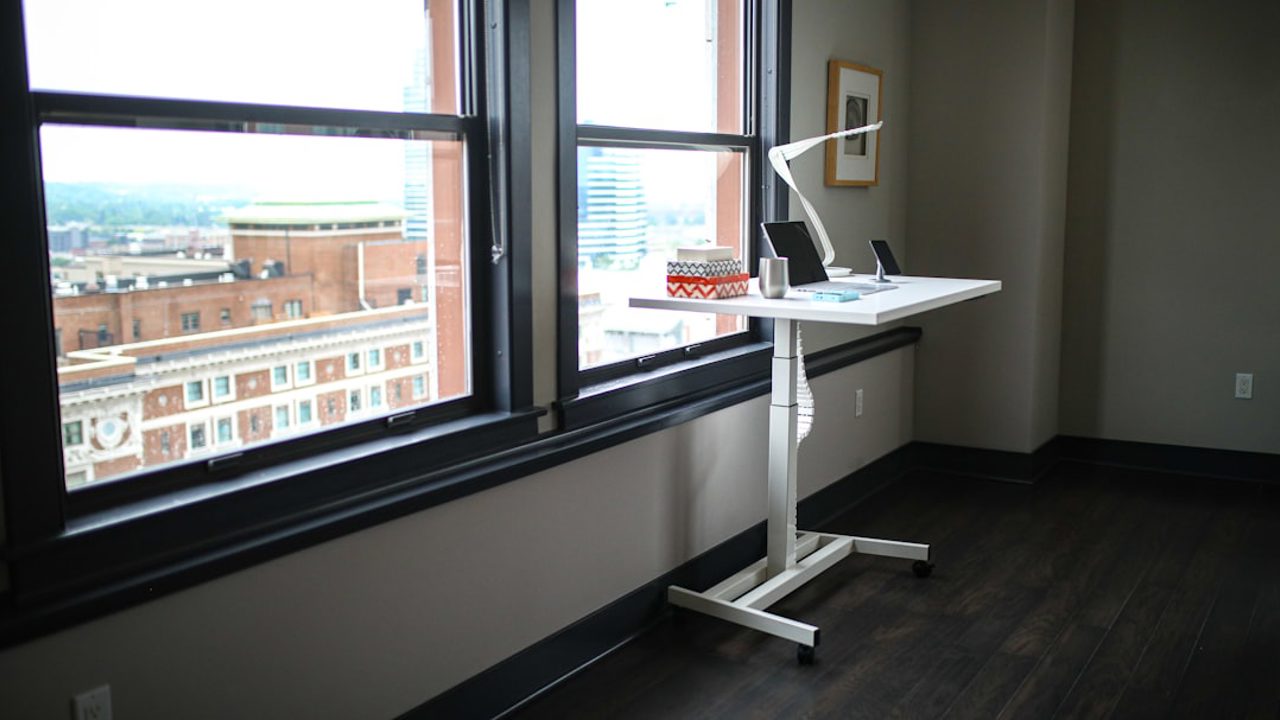
Rather than seeing nerve gliding exercises alone as a “miracle solution,” they are more meaningful when considered as part of a broader approach. Improving workstation ergonomics, adjusting screen/keyboard height, breaking up tasks that require gripping strength, gradually increasing training load, and supporting overall mobility around the spine–shoulder–hip can contribute to managing complaints for many people.
However, in some cases a professional evaluation may be more appropriate than trying exercises on your own. Findings such as clear strength loss accompanying the complaints, dropping objects from the hand, difficulty with fine motor tasks, a giving-way sensation in the leg, widespread sensory loss, an increase that wakes you at night, or gradually expanding areas of numbness may require a more careful assessment. Similarly, symptoms that begin after trauma or rapid worsening may also suggest seeking advice without delay.
In summary, nerve gliding exercises can be defined as gentle and controlled movements that aim to help nerve tissue move more comfortably within surrounding structures. In complaints of numbness and tingling, they may be considered when symptoms seem to follow a nerve line, increase with certain positions and ease with movement, and when the exercises can be tolerated at low intensity. The best approach is often to develop a personalized plan that progresses without increasing symptoms, together with posture, ergonomics, and load management.