Setting up a healthy kitchen at home is often less about “eating less” and more about “being better prepared.” When you have the right ingredients on hand, it can become easier to lean toward more balanced options while making quick decisions during the day. This approach can help you see the kitchen not as a place of discipline, but as an order that makes life easier.
Understanding Your At-Home Eating Routine and Planning According to Your Needs
Starting by understanding the kitchen’s rhythm provides a good foundation: How many times a week do you cook at home, what hours do you usually get hungry, and when are you most likely to reach for snacks? This brief observation can reduce unnecessary shopping and make the feeling of “there’s nothing at home” less frequent. That way, the system takes shape according to your personal needs.
Healthy Shopping List: Staples, Protein, and Fruits & Vegetables
The backbone of a shopping list can be staples that last a long time and can be used across different recipes. Dried legumes, grains like bulgur or brown rice, oats, canned tomatoes, olive oil, vinegar, spices, and nuts are practical options in this sense. Products like these can support building a variety of plates without getting “locked into” a single meal.
Variety on the protein side can provide both flavor and ease of use. Eggs, fermented dairy products like yogurt/kefir, canned fish, portioned meat/chicken in the freezer, or plant-based alternatives (for example chickpeas, lentils) increase the options in the kitchen. This way, when the question “what should I cook?” comes up, it may be possible to come up with a quicker solution.
Shopping for colorful fruits and vegetables is the most visible step that strengthens the feeling of a healthy kitchen. Centering seasonal produce can support both the budget and flavor; in addition, frozen vegetables can work like a backup plan that saves time on busy days. Balancing leafy greens with more durable types (like arugula instead of lettuce, cabbage instead of curly leaf lettuce) can also help reduce waste.
A Healthy Snack Setup and Making Daytime Choices Easier
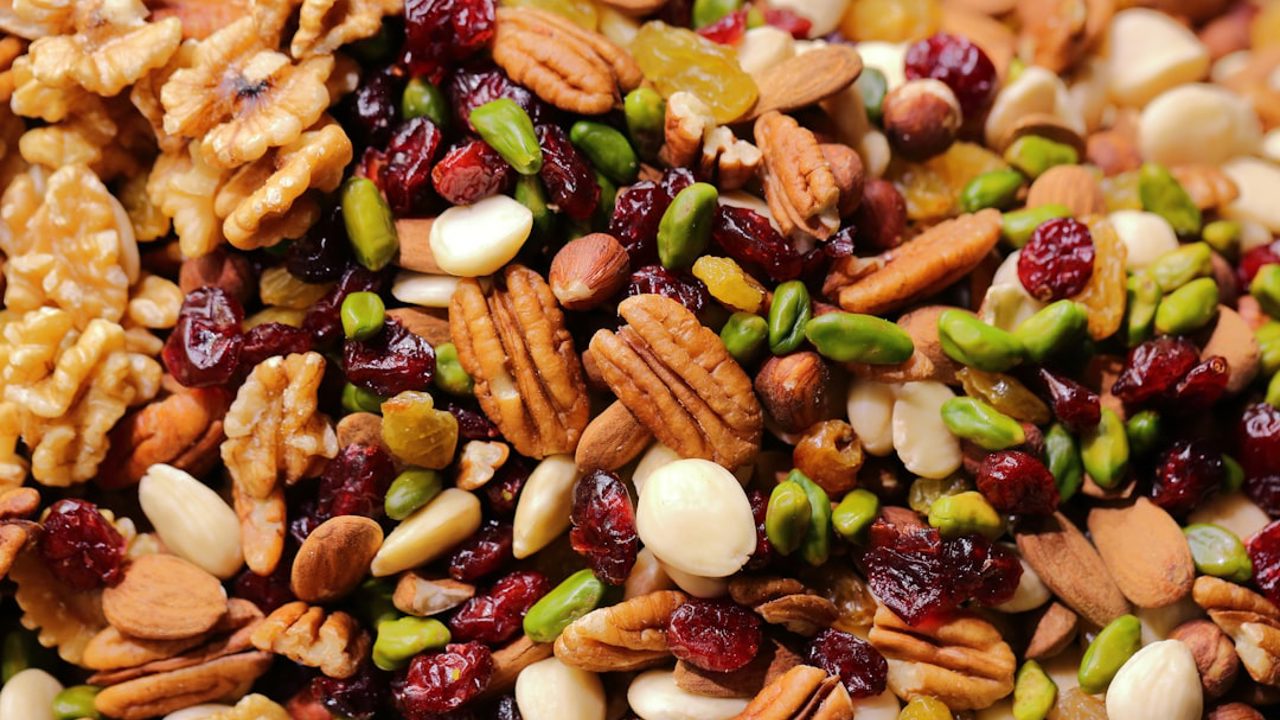
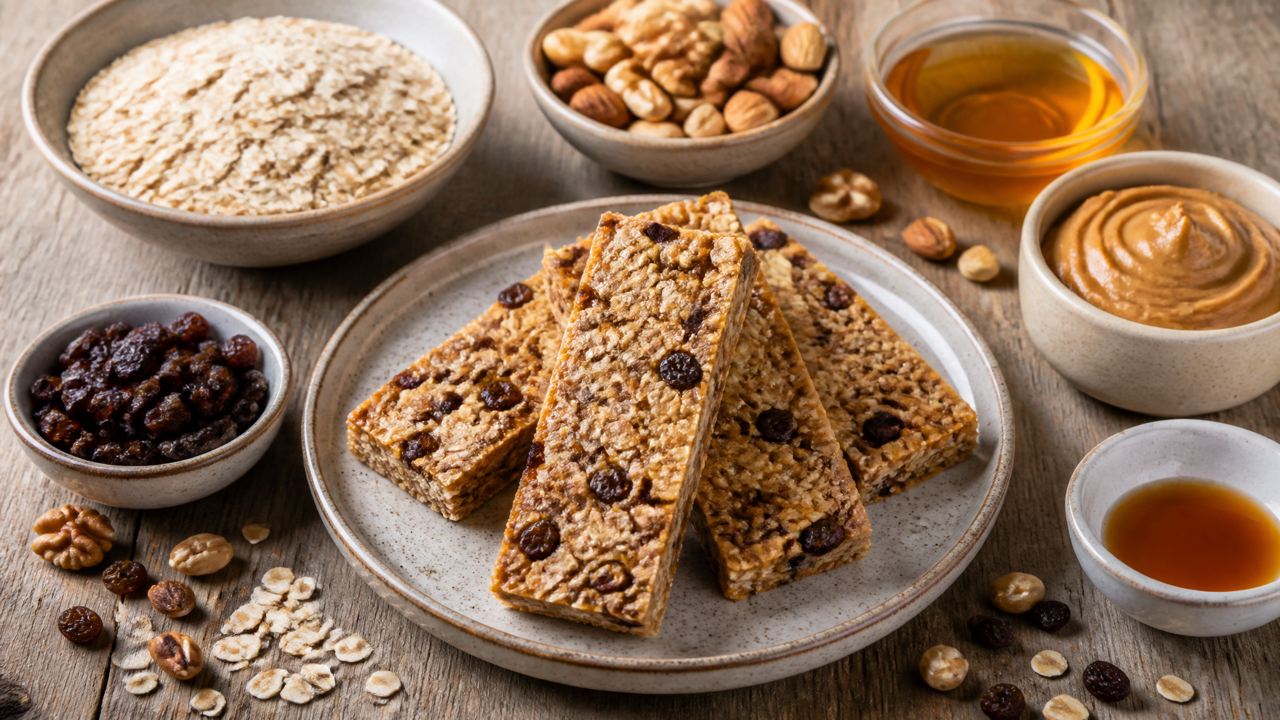
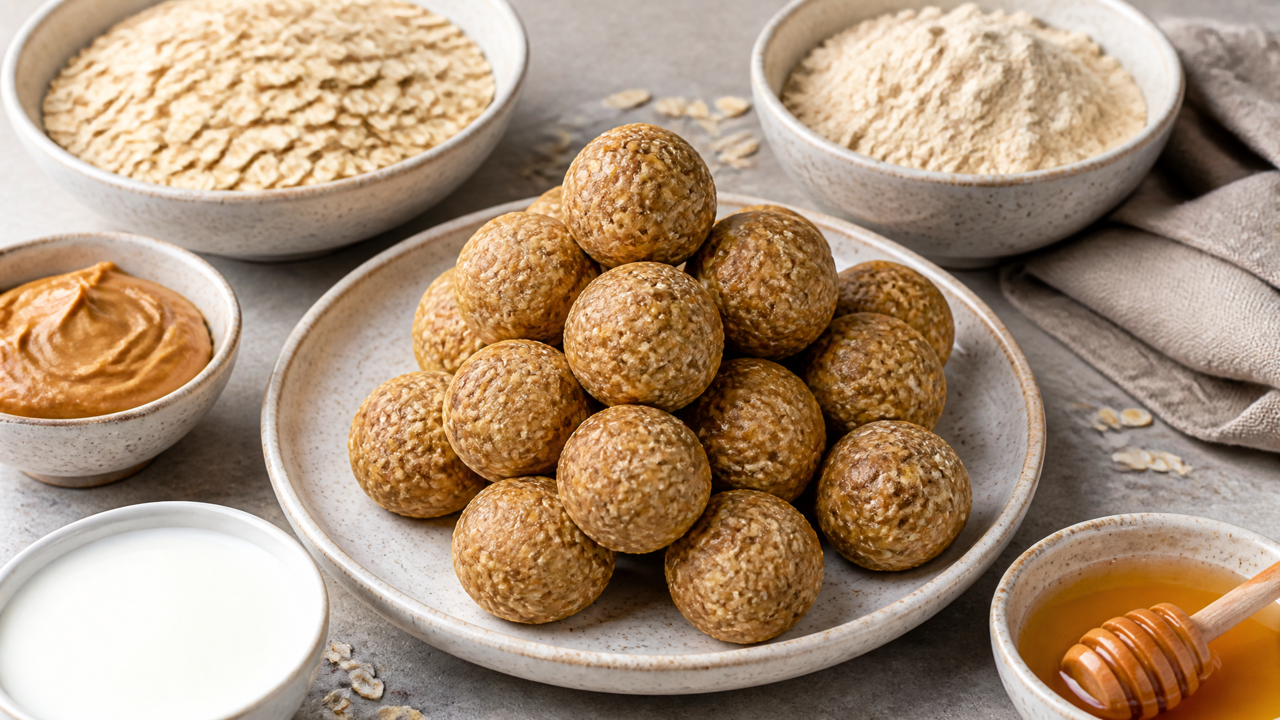
Your snack setup often determines your choices during the day; that’s why small preparations that break the “I’ll eat whatever I find” cycle can make a difference. When fruit, yogurt, nuts, and whole-grain options are within reach, putting together a more balanced snack can become easier. The goal here isn’t to impose bans, but to make the first options your hand reaches for better.
A Pre-Prep Routine: Vegetable Prep, Base Ingredients, and Sauces
In setting up a healthy kitchen, a prep routine doesn’t have to mean spending hours at once. For example, setting aside a 45–60 minute “pre-prep” window one day a week can lighten the load in the days that follow. Finishing a few basic tasks during this time can make cooking feel less burdensome.
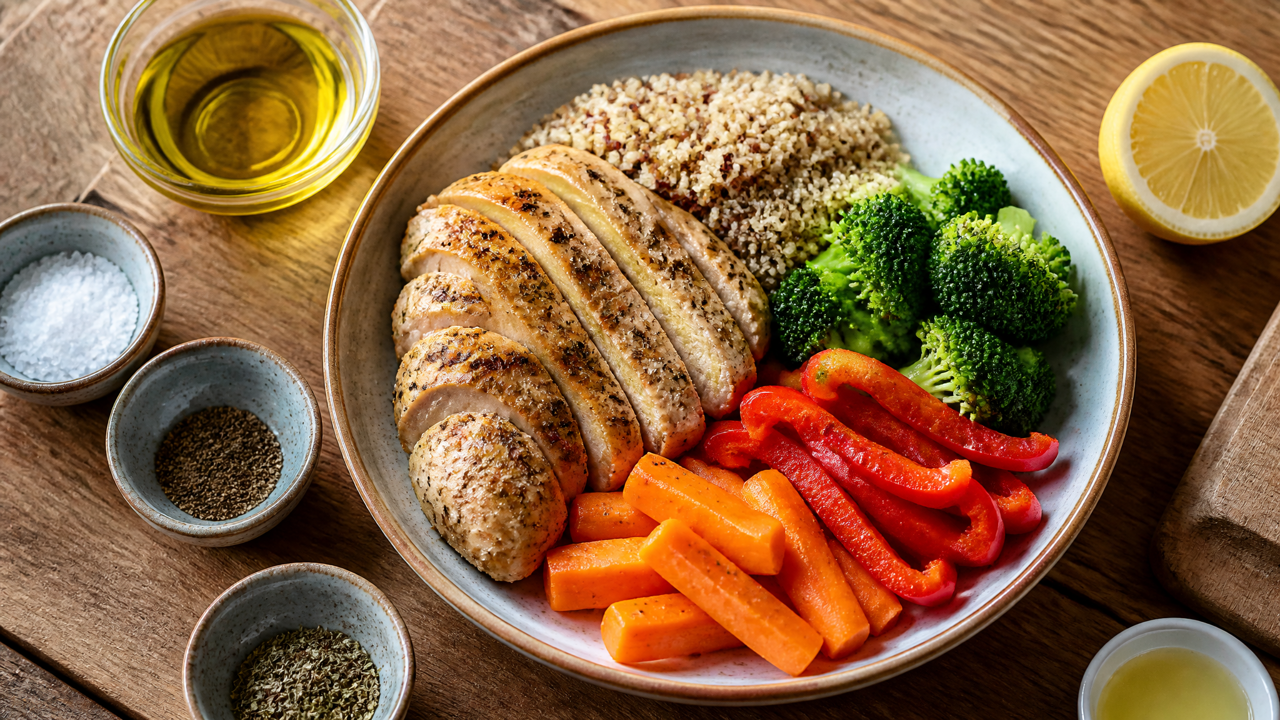
One of the most time-saving steps in pre-prep is washing, drying, and storing vegetables. Drying greens well and keeping them in a lidded container with a paper towel can help them stay fresh longer. Pre-chopping options like carrots, cucumbers, and peppers and keeping them in clear containers can also reduce the barrier of “being too lazy to make a salad.”
A second strong step is preparing “base ingredients” with a single pot: boiled legumes, roasted vegetables, plain rice/bulgur, and the like. These bases can be added to a salad the next day, turned into a soup, or made into a quick bowl with yogurt. That way, the need to start from scratch at every meal can decrease.
Flavor-boosting sauces and mixes are like small hacks that make healthy eating sustainable. Preparing a simple sauce like olive oil–lemon–mustard in an amount that will last 2–3 days can move salad from being a “side dish” to something closer to the main meal. Keeping spice blends ready in jars can also make it easier to create different flavors with the same ingredients.
Fridge-Freezer Organization and Simple Weekly Planning Methods
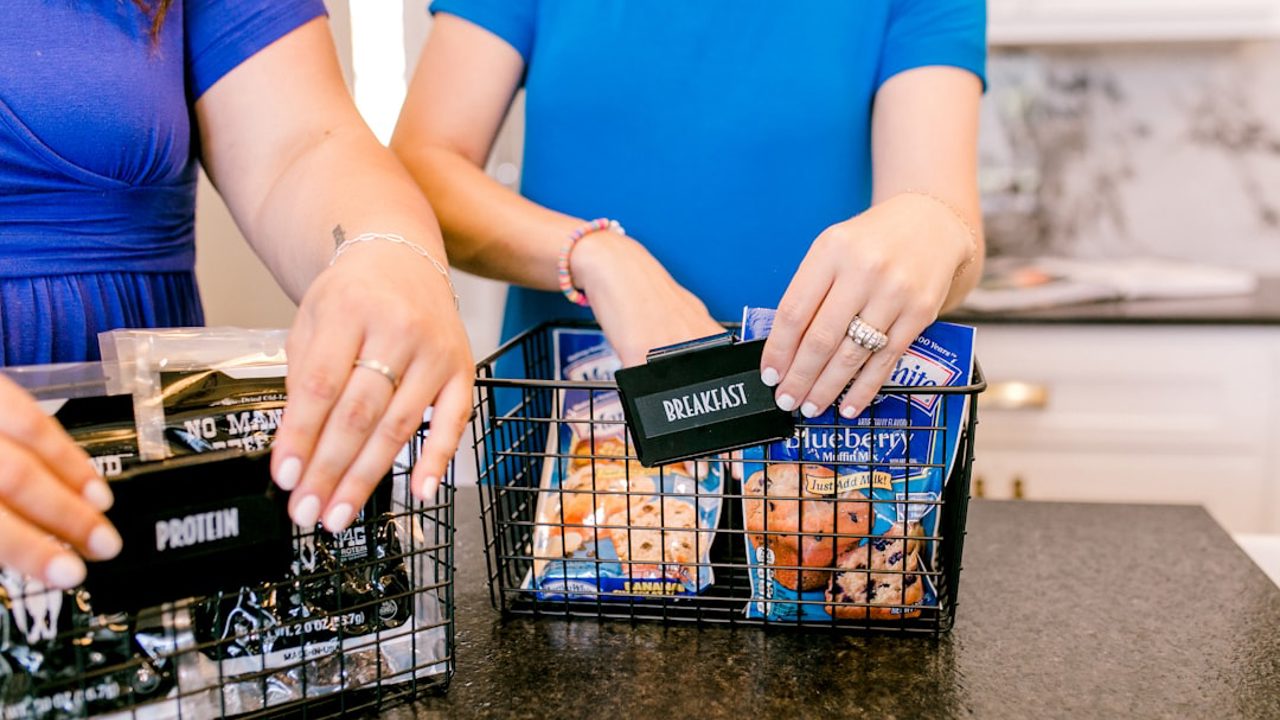
One of the leading time-saving systems is refrigerator organization. Keeping “ready-to-eat” items at eye level (washed greens, yogurt, fruit, ready bowl ingredients) can automate better choices. Moving less urgent items to lower shelves brings forward the options that help you in moments of quick decisions.
The freezer can work like insurance for busy weeks. Portioned meals, chopped onion-garlic, frozen vegetable mixes, or boiled legumes can be supportive on “I don’t have time” days. Labeling and dating items makes it easier to track what was prepared when.
Another practical system can be the “2-3-1” planning approach: for example, 2 main dishes, 3 quick options, and 1 soup for the week. Main dishes can be spread across several meals; quick options can consist of alternatives pulled together in minutes, like eggs, a yogurt bowl, or a tuna salad. Soup, in turn, can help both increase vegetable intake and balance creating a lighter meal.
What makes a kitchen sustainable isn’t perfect plans, but simple solutions that still work when things slip. That’s why creating a “backup plan” shelf can be useful: canned legumes, tomato sauce, whole-grain pasta, frozen vegetables, spices, and a protein option. A drawer like this can help reduce the need to order in.
Finally, it’s important that this setup is shaped according to personal preferences; there may not be a single kitchen system that fits everyone. Establishing one small habit and then adding another can help you manage the process more comfortably. Over time, as your shopping list, prep rhythm, and systems settle in, healthy choices can become doable with less effort.