
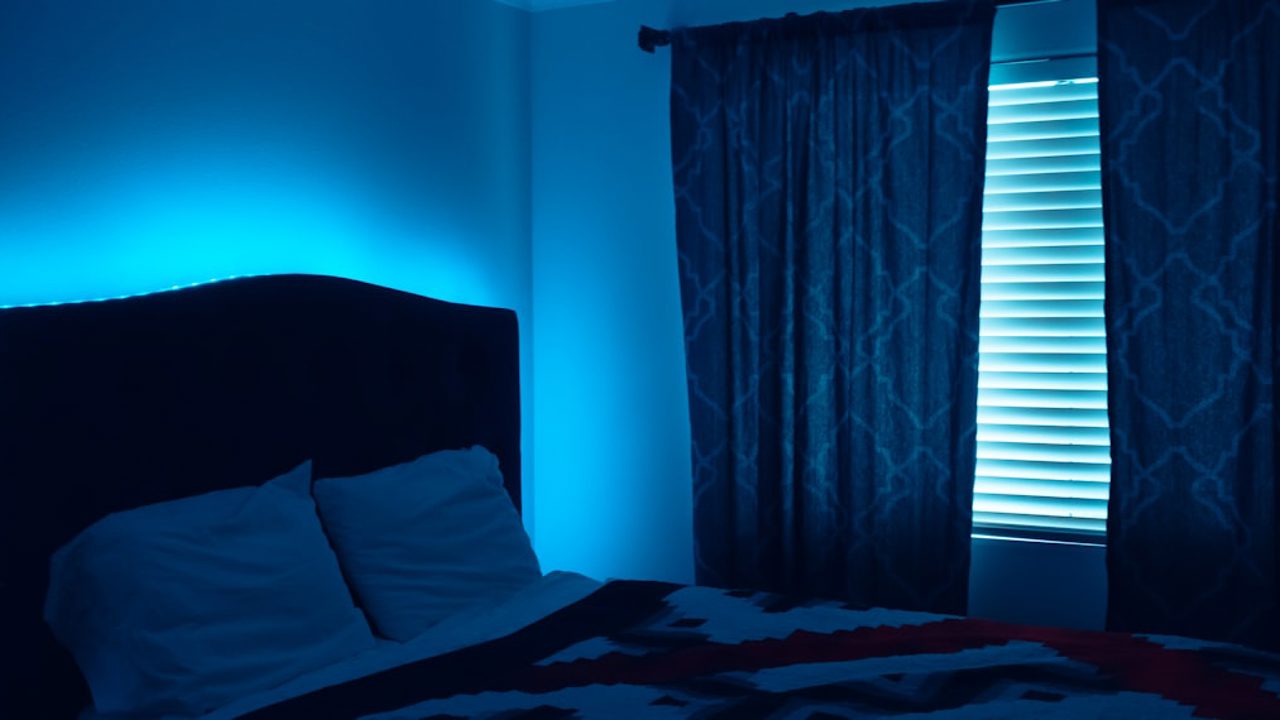
Although smartphones make it easier to communicate, access information, and relax during the day, usage habits toward nighttime can affect sleep patterns. Especially when the time spent in front of a screen before bed gets longer, the mind’s “shut down” process may be delayed and falling asleep can become harder. This guide aims to support a more restful sleep routine with practical steps to reduce screen exposure.
How Do Phone Use and Screen Exposure Affect Sleep Patterns?
Sleep quality is related not only to how many hours you sleep, but also to how easily you fall asleep and how much your sleep is interrupted during the night. Screen light, the stimulating effect of content, and constant notifications can increase mental arousal in some people. Therefore, the goal is not to completely “ban” the phone, but to create a calmer framework for evening use.
Reducing Screen Time Before Bed with a Digital Sunset
One way to reduce screen time before bed that may work is to set a small “digital sunset” window for yourself. For example, trying to put your phone aside 30–60 minutes before bedtime can create space for your body and mind to prepare for the night. If keeping the time long all at once feels difficult, gradually increasing it over a few days may be more sustainable.
Using the phone in bed can cause the brain to associate the bed with “consuming content” rather than “sleep.” For this reason, limiting screens in the bedroom or not keeping the phone right next to the bed can be supportive. Even a small adjustment—like moving the charging spot to another corner of the room—can weaken the habit of reaching for the screen at night.
Notifications can trigger the feeling that you’re “missing something,” even if nighttime sleep isn’t interrupted. Silencing notifications after a certain hour in the evening, scheduling “do not disturb” mode, or allowing exceptions only for important people may be helpful. Customizing these settings to the individual helps balance staying reachable with calming down.
Increasing Comfort with Night Mode, Blue Light, and Brightness Settings
Screen brightness and especially blue light intensity can be associated with delayed sleepiness in some people. The device’s night mode, warm color filter, or automatic brightness settings can provide a more comfortable experience in the evening. Still, it’s good to keep in mind that such settings may not be sufficient on their own, and that the type of content and the duration of use are also important.
Choosing calmer alternatives right before bed instead of stimulating content such as social media, news feeds, or competitive games can soften the mind. Light music, a short meditation recording, relaxing reading, or summarizing the day’s plan with a simple note can provide a lower-tempo transition. The aim here is to move content that keeps attention constantly on alert to earlier hours of the day.
Building a Night Routine Instead of Using the Phone and Strategies to Maintain the Habit
Reducing screen time can sometimes create a feeling of “emptiness”; establishing a small night routine to fill that gap can make the process easier. Simple rituals like a warm shower, stretching in dim light, a few minutes focused on breathing, or preparing clothes for the next day can help the body understand that sleep is approaching. The simpler and more repeatable the routine is, the easier it can become a habit.
If you use your phone as an alarm, you can consider solutions that reduce repeatedly checking the screen. After setting the alarm, moving the device out of your line of sight, turning the screen face down, or reducing time checks during the night may work. For some people, using a separate alarm clock can also be a practical way to loosen the tie to the phone.
Regulating screen use during daytime hours can also affect the night. Taking short breaks during the day, going outside into daylight, and keeping caffeinated drinks moderate—especially toward late afternoon—can support sleep pressure. This way, when night comes, both body and mind may tend to slow down more naturally.
If the thought “I can’t sleep when I put the phone down” is dominant, approaching it as a habit loop rather than a matter of willpower offers a more compassionate perspective. Noticing the triggering moment, choosing a small replacement behavior, and trying it for a few weeks is usually more realistic. Struggling at times is normal; what matters is being able to shift the overall trend toward a calmer evening routine.
In conclusion, reducing smartphone use and screen exposure can be considered one of the lifestyle steps that may support sleep quality. Starting with small adjustments, managing notifications, softening content choices, and making the bedroom more “sleep-friendly” can create positive differences for many people. If insomnia continues for a long time or significantly affects daily life, seeking support from a professional can also be considered among the options.