
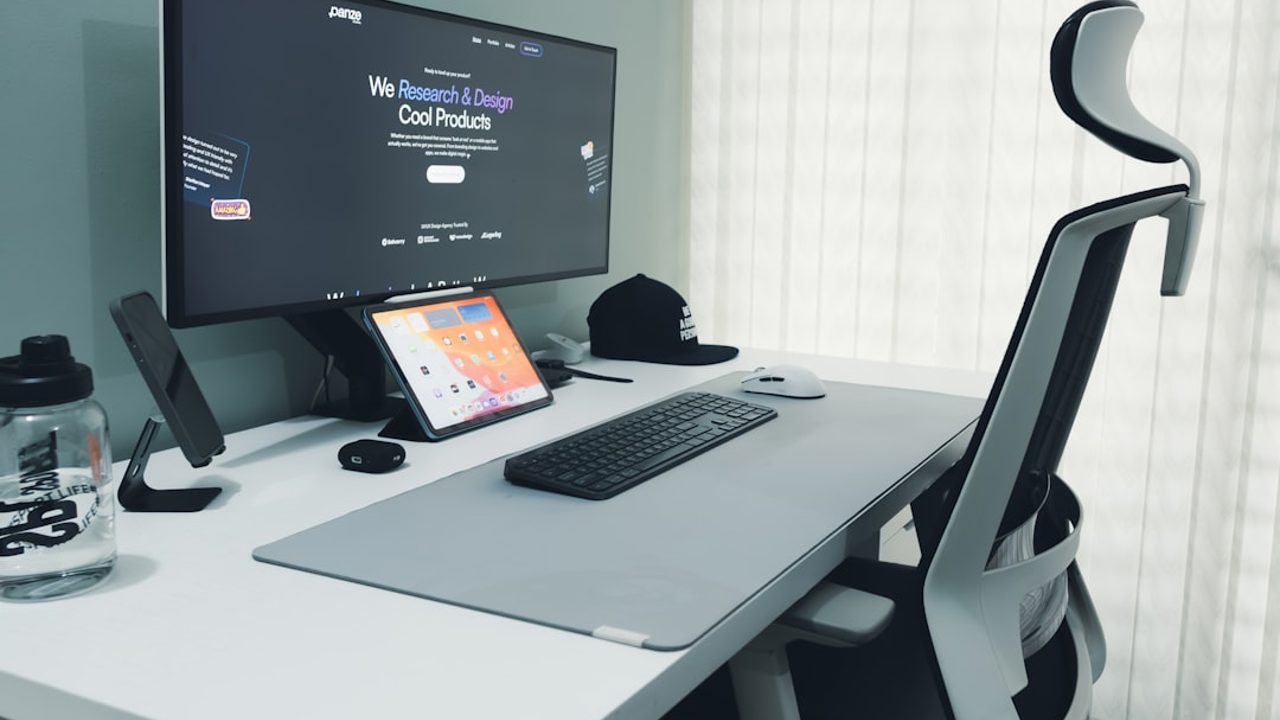
Spending most of the day at a desk can, without many people realizing it, create a “low movement–lots of sitting” cycle. Over time, small signals may appear, such as the shoulders rounding forward, the neck jutting out, or a sense of load around the lower back. At this point, the goal may be less about adding an intense training program and more about making the body feel “usable” again through short movements sprinkled throughout the day.
What Is Posture? Diversifying Positions Instead of “Standing Up Straight”
Posture is often understood as “standing up straight”; yet in practice it is more about how balanced the joints can shift positions throughout the day. Sitting in the same way for a long time—even in the best chair—can make some areas work more and leave others passive. That’s why, instead of searching for the “correct posture,” making frequent small adjustments and diversifying positions may be a more sustainable approach for many people.
Ergonomics and Workstation Settings: Reducing Neck–Shoulder Load
Making small tweaks to your workstation to make it more supportive can strengthen the foundation of a movement protocol. Having the top of the screen close to eye level, keeping the keyboard positioned so it doesn’t force the shoulders to rise, and letting the feet rest comfortably on the floor can help reduce tension in the neck and shoulder area for many people. Small awareness cues—like feeling your sit bones from time to time and lengthening the torso rather than fully “leaning back” into the chair—can also provide a good balance during the day.
On the mobility side, the goal may be to remind the joints of their range of motion without placing a heavy load on them. The hips, rib cage, and ankles in particular can feel “locked up” because they’re used less during all-day sitting. Adding short, gentle movements for these areas can support a more comfortable step when you get up to walk or a smoother feeling when climbing stairs.
Mini Movement Breaks During the Day: A Short Protocol Every 45–60 Minutes
It can be useful to think of a mini protocol you can apply throughout the day with a “frequent but short” logic. For example, standing up for 1–2 minutes every 45–60 minutes can help refresh circulation and attention. If meetings are back-to-back, you can turn this into a more realistic routine by pairing it with a bathroom break, refilling water, or a short breathing pause by a window.
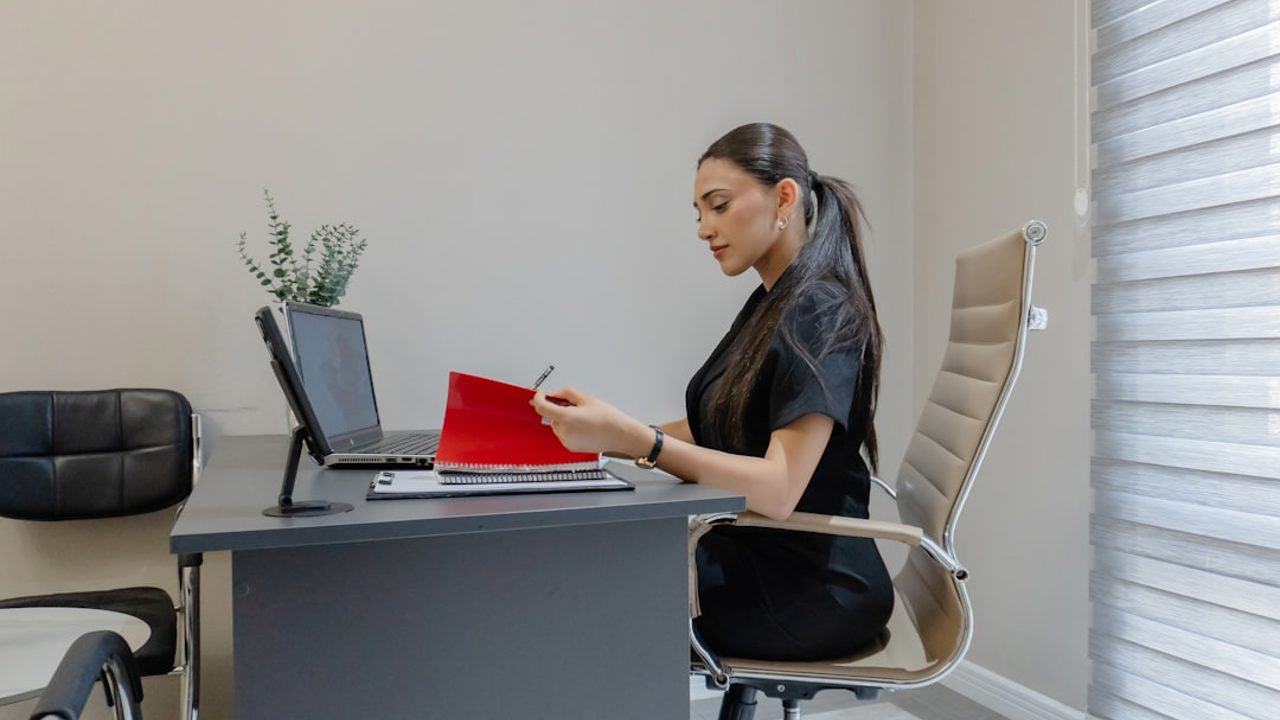
A small sequence that can be done at the desk for the neck and upper back can help manage the tension that builds up in front of a screen. Gently drawing the chin back and “keeping the back of the neck long” as if lengthening the head toward the ceiling, then slowly rolling the shoulders back and down, is found relaxing by many people. The key point here may be to do the movement without forcing it, without holding the breath, and without creating sharp pain.
A “doorway stretch” aimed at opening the chest and front of the shoulders is one of the commonly used options in the office; however, a similar effect can be achieved at the desk as well. While sitting in a chair, clasping the hands behind you and gently “widening” the chest forward can help bring the shoulder blades closer together. For some people who feel impingement in the shoulder joint, doing it with a smaller range may feel more comfortable.
Hips, Lower Back, Ankles, and Core: Exercises You Can Do at a Desk
For the hips and lower-back area, the most practical support may be standing up frequently and taking a few steps. In addition, a controlled “sit-to-stand” movement—similar to standing up from a chair and sitting back down—can engage the legs and remind the glute muscles to work. If there is knee sensitivity, reducing the range of motion, using the desk for support with the hands, and progressing slowly may feel safer for many people.
Ankles and leg circulation can be an area that is often neglected during long sitting. Lifting and lowering the heels while seated, or circling the ankles, can be supportive—especially for people who feel heaviness in the legs at the end of the day. Doing these small movements while reading emails or during a brief waiting moment can help you keep going without interrupting your routine.
When people think of core (trunk) activation, difficult exercises may come to mind; yet in the office, the goal may be to build supportive awareness without “compressing” the lower back. While seated, you can try a few repetitions of gently drawing the ribs down and keeping the abdominal area lightly active, then fully relaxing. This kind of low-intensity activation may help reduce excessive arching of the lower back during prolonged sitting for some people.
Breathing and stress management may be more closely related to posture than expected. Holding the breath during intense focus, pulling the shoulders up, and clenching the jaw are quite common. A few times during the day, slowly breathing in and out through the nose while letting the shoulders drop, and noticing the jaw and tongue relaxing, can help manage both mental load and muscle tension.
The effect of these mini exercises can often be felt cumulatively rather than as a “big change all at once.” Setting reminders, pairing water intake with movement breaks, or adding a 30-second routine after each meeting can increase sustainability. If, despite regular attempts, there are complaints such as significant pain, numbness, or loss of strength, it may be beneficial to consult a healthcare professional for a general evaluation.
In summary, for office workers, moving throughout the day can become easier by diversifying posture instead of “freezing” it, gently nurturing mobility, and building short exercise breaks into the routine. A mini protocol implemented along with small adjustments to the chair, screen, and work habits can help many people manage end-of-day fatigue. The best approach may be to establish a rhythm that fits your daily flow—easy to start and settling in over time.