

On weekends, the thought of “let me sleep a little more” may feel very familiar. However, going to bed late and waking up late on Saturday and Sunday can catch your body’s rhythm off guard when the alarm rings on Monday morning. This situation is associated with “social jetlag,” which can increase feelings of fatigue and absent-mindedness on the first day of the week.
How does social jetlag occur?
Social jetlag can be described as experiencing jetlag without traveling. A body accustomed to waking up early on weekdays tries to reset its internal clock when weekend hours shift. When you have to wake up early again on Monday, energy dips may be seen during the day because the sleep–wake pattern changes suddenly.
Why does the difference in sleep and wake times make Monday harder?
One of the most decisive points in this effect is the difference between weekday and weekend wake-up times. As the gap grows, it becomes more likely to feel as if you “didn’t get enough sleep” on Monday. Therefore, an approach that can work for many people is to try to rest on the weekend without pushing the wake-up time too far later.
As a practical goal, it may help not to move your weekend wake-up time too far away from your weekday time. For some people, a 30–60 minute deviation is more manageable, while shifts of 2–3 hours can increase Monday difficulty. Of course, your personal chronotype, work pace, and sleep needs can change this tolerance.
The question “If I’m not going to wake up late, how will I rest?” also comes up often. One option here is to try adding sleep time at night rather than in the morning. Going to bed a bit earlier on Friday or Saturday night can both support rest and ease the transition to Monday.
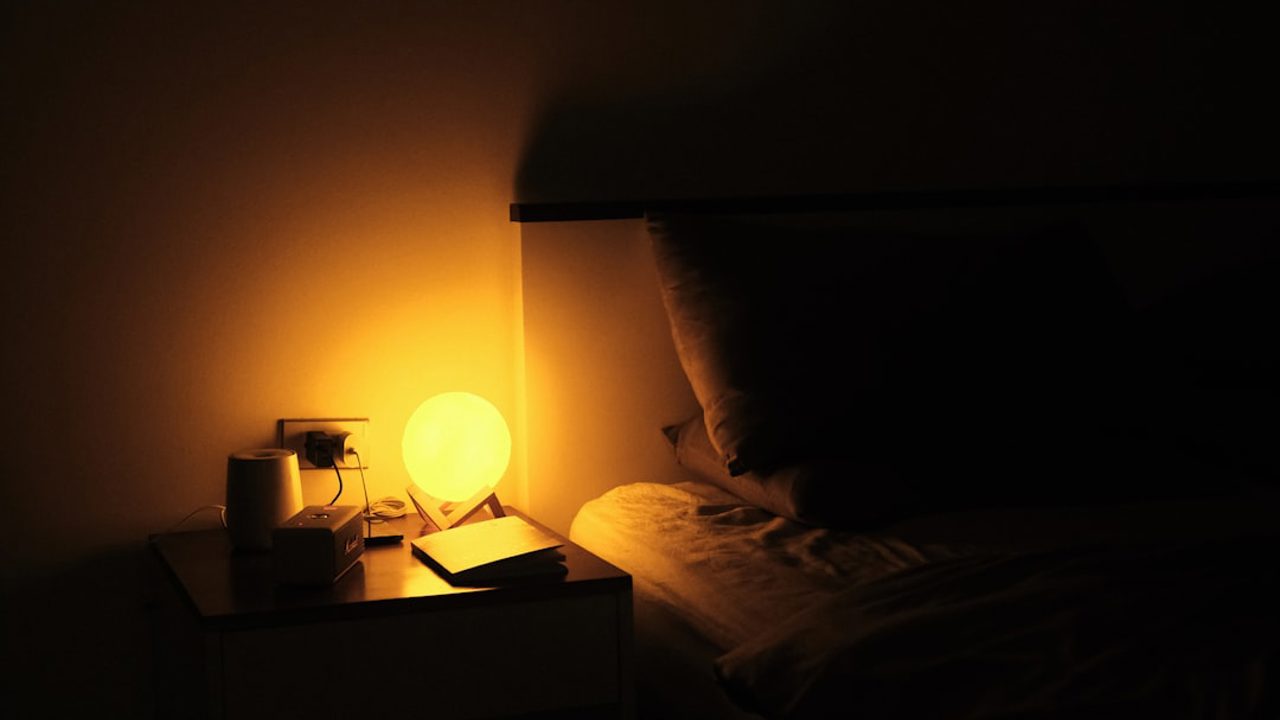
Making Sunday a transition day: how does it balance the rhythm?
If staying up late on the weekend is unavoidable, planning Sunday like a “transition day” can help. Bringing Sunday night’s bedtime closer to Monday’s rhythm and not leaving the morning too late can help reduce the harsh feeling of sleep inertia on Monday morning.
Short naps can also help some people recover, but timing matters. Long dozes that extend into the afternoon can delay nighttime sleep. A shorter rest closer to the earlier hours of the day may be an alternative that affects the night sleep schedule less.
Managing the internal clock with light, caffeine, and nutrition
Light management is a powerful supportive factor in setting the internal clock. Getting out into morning daylight, opening the curtains, or taking a short walk can increase alertness. Reducing exposure to bright light and screens in the evening may also help make it easier to fall asleep.
Caffeine and heavy meals are small but important details that affect weekend plans. Consuming coffee/energy drinks late in the day or eating a heavy meal close to bedtime can make it harder to fall asleep. In contrast, moving caffeine to earlier hours and keeping dinner more balanced can support a more comfortable night.

A sleep plan to reduce Monday fatigue and when to consult a professional?
To reduce Monday fatigue, a “mini sleep plan” approach can be tried: if possible, not staying up too late starting Friday, not letting weekend wake-up time drift too far, aiming to go to bed earlier on Sunday night, and starting Monday morning with light. These small steps can help keep the internal clock closer between weekdays and weekends.
Still, everyone’s sleep needs are different; intense stress, irregular shifts, or long-standing accumulated sleep deprivation can change the picture. If Monday fatigue is very pronounced, makes it hard to function during the day, or if your sleep pattern has not been recovering for a long time, getting a general evaluation from a professional may be helpful.
In summary, social jetlag most often becomes noticeable when the difference between weekend “catch-up sleep” and the weekday routine grows. Trying to rest without shifting weekend wake-up time too much, setting aside Sunday for transition, and managing details like light and caffeine can help you start Monday feeling more refreshed.