
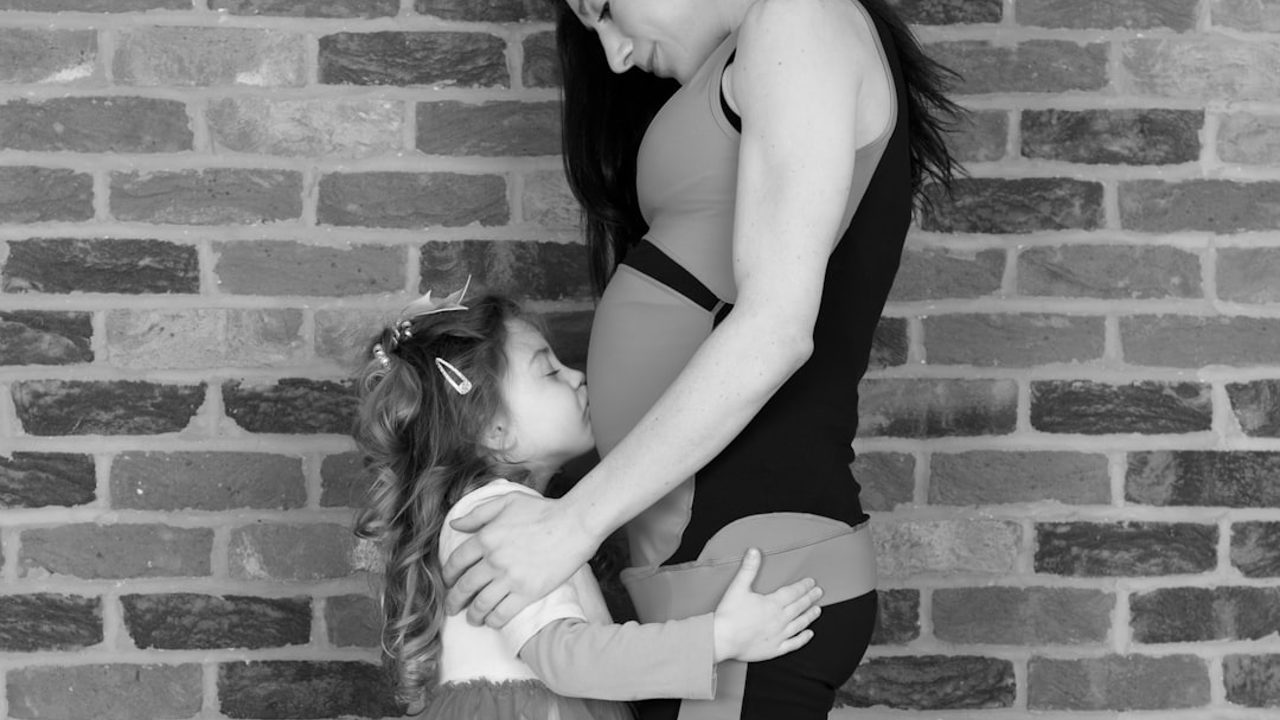
After pregnancy, rapid weight changes, or periods when intra-abdominal pressure increases, some people may experience a sense of “separation” in the abdominal muscles. This condition, known as diastasis recti, can often be noticed as softness around the navel, delayed recovery, or difficulty with everyday movements. Pilates, when approached correctly, stands out as a gentle method that can support reorganizing the abdominal wall and increasing body awareness.
Diastasis Recti and the Core Goals of Pilates
In this process, the aim is not only to “build abs,” but to re-establish the harmony of breathing, posture, and the deep core muscles. Deep structures such as the transversus abdominis and the pelvic floor may contribute to a more balanced functioning of the abdominal wall. Rather than seeking quick results, progressing safely and gradually helps reduce unnecessary load on the lower back, neck, and pelvic region.
Signs to Pay Attention to Before Starting
Before starting, it is important to read the signals your body gives. Signs such as a noticeable “doming” along the midline of the abdomen, increased pressure in the lower back, groin discomfort, a tendency to leak urine, or pain after exercise may indicate that the movement could be too demanding. In such cases, simplifying the movement, reducing the range, or getting support from a professional can make the process more comfortable.
In the Pilates approach, the cornerstone is breathing and the skill of “connecting to the center.” A gentle breath that expands the ribs to the sides and back is followed by a subtle sense of gathering in the lower abdomen as you exhale. Instead of pulling the belly in and holding the breath, it may be preferable to let the abdominal wall engage in a controlled way with a fluid breath.
Safe Progression with Pilates: Stage 1 and 2 Practices
The first stage is a period of renewed awareness and gentle activation. Breathwork in a supine position with knees bent, sensing the pelvis in neutral, and “gathering” attempts done within very small ranges are suitable for this phase. The goal here is the quality of the movement rather than its size; feeling the core muscles without creating pressure on the midline may become easier over time.
In the second stage, simple arm and leg movements can be added while maintaining core control. For example, low-risk variations such as lifting and lowering one leg toward tabletop, doing small heel slides on the floor, or moving the arms up and down in a controlled manner may be considered. If a cone-shaped rise occurs in the abdominal area, reducing the range of the movement or returning to an easier version is usually a good strategy.
Safe Progression with Pilates: Stage 3 and 4 and the Functional Transition
The third stage teaches you to maintain trunk stability while increasing load transfer. Controlled attempts such as hip-area work in side-lying, knee-supported side-plank-like preparations, or quadruped trials similar to extending the opposite arm and leg can be added in this period. At this stage, keeping the shoulders from moving toward the ears, preventing excessive arching in the lower back, and keeping the breath fluid may support more balanced engagement of the abdominal wall.
The fourth stage is the period of transitioning to functional movements and increasing endurance. The aim is to be able to keep the core muscles engaged during common daily actions such as pushing-pulling, reaching, and carrying. More fluid sequences can also be tried in Pilates sessions; however, the criterion for moving on to challenging exercises is thought of less as the number of repetitions and more as “being able to do it while protecting the midline.”
Movements to Avoid, Posture Tips, and Tracking Progress
In this process, some exercises may not be tolerated the same way by everyone. In particular, classic crunch variations that can create high pressure, long-duration planks, aggressive twisting movements, or leg lowers performed with loss of control may increase prominence along the midline in some people. Similarly, heavy lifting or sudden sit-ups can raise intra-abdominal pressure, so small habits such as “exhaling as you take on the load” can be functional in daily life as well.
One factor that increases the effectiveness of Pilates is posture and ribcage-pelvis alignment. Spending long periods slumped forward during the day, lifting the ribs up, or constantly tipping the pelvis forward can make it harder for the abdominal wall to work efficiently. Simple cues such as keeping the feet grounded while sitting, keeping the chest softly open, and lengthening the spine can help the exercises “not stay only on the mat.”
When tracking progress, not only the width of the gap but also the behavior of the abdominal midline matters. Over time, signs such as reduced doming, better control with breathing, decreased tension in the lower back and neck, or less difficulty in daily movements may indicate a positive picture. Still, since each body’s pace is different, observing personal progress rather than comparing is a more supportive approach.
In conclusion, Pilates after diastasis recti, when applied in the right order and carefully, can contribute to strengthening the abdominal wall, improving core control, and performing daily movements more comfortably. The best results usually come with small steps, good breathing, and paying attention to the body’s signals. When in doubt, working with a physiotherapist or an instructor experienced in this area can both increase safety and make it easier to create a plan tailored to the individual.