

Feeling more energetic at certain hours of the day and more sluggish at others is something many people experience. Some people become productive early in the morning, while others hit their stride toward late afternoon and into the night. Behind this difference, there can often be personal tendencies related to the body’s daily rhythm, known as a “sleep chronotype.”
What is a sleep chronotype, and what factors shape it?
A sleep chronotype is a concept that describes the times a person is naturally more inclined to stay awake and the times they are more inclined to sleep. This tendency can be shaped by factors such as interaction with light, daily habits, age, work schedule, and individual biology. A chronotype becomes more functional when it’s seen less as a label like “disciplined” or “lazy” and more as a matter of alignment in timing.
Morning chronotype (early type) characteristics and productivity planning
In general, morning types (early chronotype) are people who can wake up more easily in the early hours and achieve mental clarity at the start of the day. These people may feel higher focus and motivation until around noon. Since they may tend to experience an energy drop toward evening, turning to lighter, routine tasks in the latter part of the day can be soothing.
Night chronotype (late type) characteristics and performance later in the day
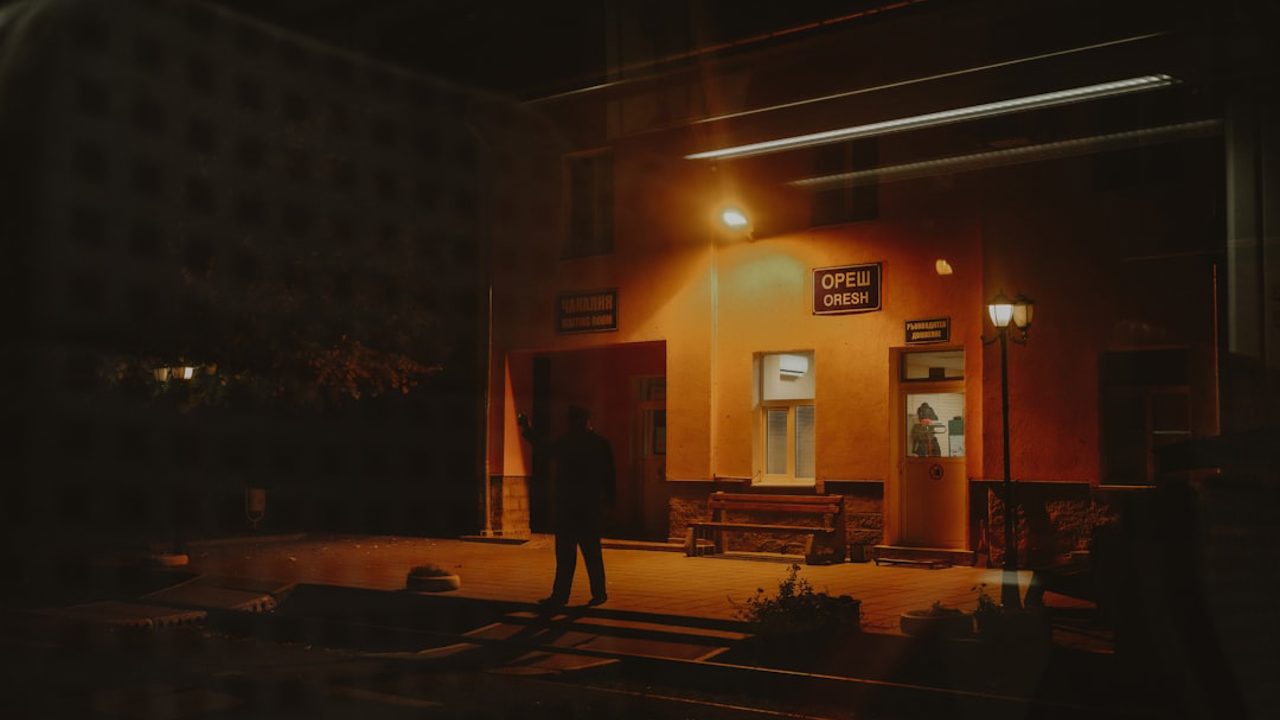
Night types (late chronotype), on the other hand, are people who get going more slowly in the mornings and whose performance can increase later in the day. Mental clarity and creativity may become pronounced in some people in the late afternoon or close to night. When there is an expectation of an intense pace in the early hours, these types may feel “behind”; yet often the issue stems not from capacity but from timing.
How to recognize your chronotype? Observing your natural sleep-wake rhythm

A practical way to understand your chronotype is to observe what kind of sleep-wake pattern you drift into on days off when you don’t set an alarm. A tendency to wake up at similar times for several days in a row can offer clues about your natural rhythm. Of course, factors such as social plans, late-night screen use, or caffeine can affect this observation, so making the assessment during calmer periods may be more informative.
If you have a morning chronotype, it may help to protect the “cleanest” hours of the day to optimize energy. Scheduling important meetings, tasks that require intense thinking, or learning goals in the morning block can be supportive. Shifting a short walk, getting some fresh air, or more mechanical tasks to the afternoon can make the day’s rhythm feel more balanced.
For morning types, lightening evening plans may help counter the drop that occurs later in the day. Strenuous exercise, a packed social schedule, or screen exposure that stretches into late hours can make falling asleep harder for some people. A calmer evening routine can help make an early start the next day easier.
If you have a night chronotype, it can be useful to treat the morning hours like a “warm-up” period. In the first part of the day, simpler tasks, emails, planning, or light administrative work can be done. Placing mentally demanding work—such as production, analysis, design, or strategy—later in the day can increase the sense of productivity.
For night types, when they need to wake up early due to social obligations, gradual adjustment is usually more sustainable than changing the rhythm all at once. Moving bedtime earlier in small steps every few days and increasing time spent in daylight in the mornings can support adaptation for some people. Reducing bright light and screen time late in the evening can also help the body perceive the “night” signal more clearly.
Managing daytime energy: aligning with light, movement, nutrition, and work/school schedule

In managing daytime energy, not only sleep time but also the timing of light, movement, and nutrition can be influential. Getting daylight in the morning, taking short movement breaks during the day, and planning meals at as consistent times as possible can strengthen the sense of rhythm. Shifting caffeine consumption to earlier in the day can be an adjustment that may make it easier for some people to fall asleep in the evening.
When a work or school schedule conflicts with your chronotype, making small optimizations may be more realistic than searching for the “perfect schedule.” For example, for a morning person the most difficult tasks can be grouped at the start of the day, while for a night person critical production time can be shifted to the afternoon and evening. At the same time, without forgetting that everyone can experience a natural energy dip during the day, an approach of taking a short break or returning to lower-effort tasks during those hours can be adopted.
A sleep chronotype offers a useful framework for recognizing your personal rhythm and organizing the flow of life accordingly. Whether you’re a morning person or a night person may be less about having a “better” or “worse” habit and more about how your body perceives time. When you notice your most productive hours and position tasks accordingly, it can become possible to use energy more evenly throughout the day and reduce feelings of burnout.