
The Basic Logic of Reformer Pilates and a Beginner Approach
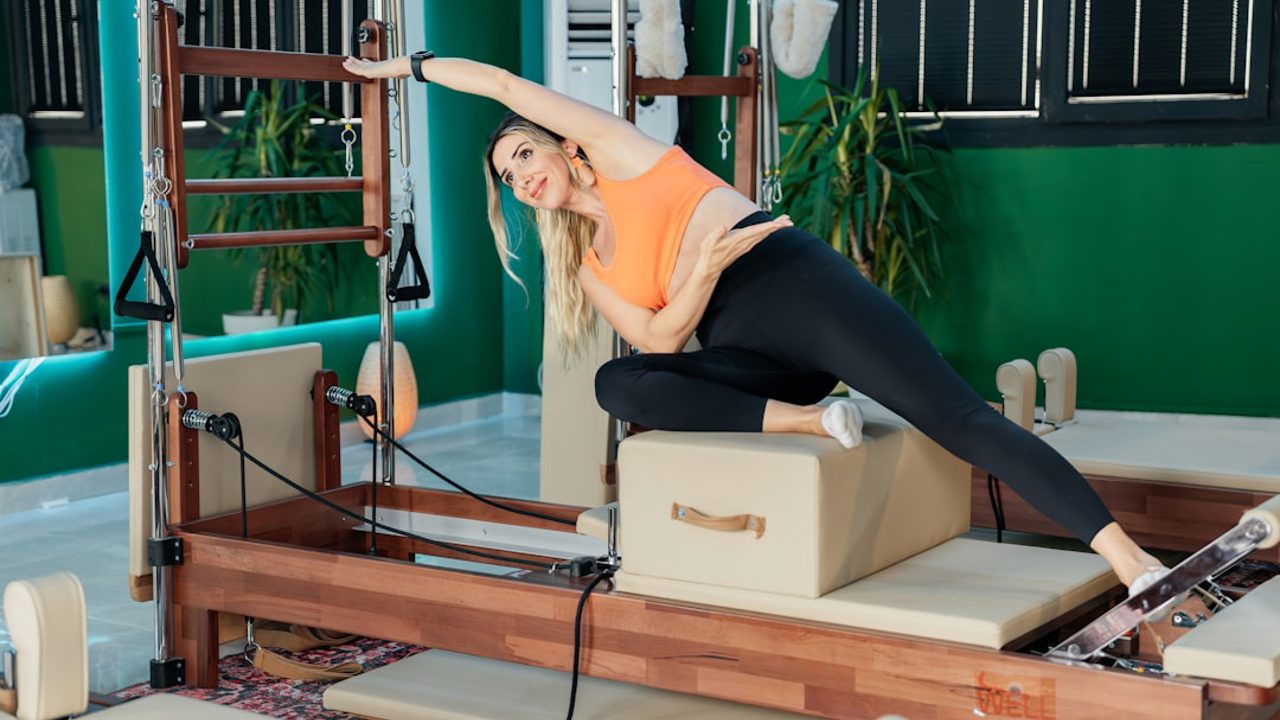
Reformer Pilates is an exercise approach that allows you to perform movements on a machine with the support of spring resistance. Although it may look complex at first glance for beginners, its basic logic is quite simple: the springs determine the resistance, the carriage slides, and you work on pushing–pulling and balance in a controlled way. At the beginning, the goal may be not to “push too hard,” but to establish proper alignment and a safe flow.
How to Choose Spring Resistance: The Right Spring Setup and Common Mistakes
The spring setup on the reformer is one of the factors that most affects how the workout feels. As the number and stiffness of springs increase, resistance rises; this can make some movements more challenging while making others easier to control. For example, in sections where you push with the feet, a bit more support can provide a more stable movement quality for some people; when working the arms and shoulders, lighter resistance can make it easier to maintain form.
One of the common situations beginners experience is the question, “How many springs should I put on?” At this point, rather than a single right answer, an approach of adjusting according to the signals your body gives may be more functional. When resistance is too heavy, you may see breath-holding, neck bracing, a feeling of compression in the lower back, or losing the movement’s tempo; when it is too light, the carriage may accelerate uncontrollably and the joints may take more load than necessary. Starting the movement slowly and testing the sense of control within 2–3 repetitions can help you find the appropriate range.
When changing springs, it is important to have a small routine for safety. First, making sure the carriage is stable, if possible controlling the carriage with one hand while attaching/removing the spring with the other, and not rushing can provide safer use. Instead of yanking the springs in one motion, attaching and removing them with a controlled movement close to the attachment point can help both protect the equipment and reduce the risk of pinching your fingers.
Getting to Know Reformer Equipment: Parts, Footbar, Straps, and Box Use
Getting familiar with the reformer’s main parts reduces initial hesitation. The carriage (sliding platform) is the part you lie or sit on; the footbar is used for pushing with the feet and its height/position can be adjusted. Shoulder blocks help limit slipping; the headrest provides comfort in some positions. Straps and handles guide arm-leg movements, while additional parts such as the box and jumpboard can be used for different variations.
Footbar adjustment can have a noticeable effect on posture and knee–hip alignment. A very high footbar can create a feeling in some people that the lower back arches more easily; a very low setting can be challenging for those with limited hip flexibility. In the first trials, starting with the setting recommended by the instructor and observing whether the lower back stays close to a neutral position during the movement can be a good checkpoint.
In strap and handle use, the goal is not only to “pull” with the arms, but to place the shoulders and transmit force along the correct line. Instead of gripping the handles tightly, looking for a position where the wrists are straight and the shoulders are away from the ears can reduce unnecessary tension in the neck and trapezius area. Since slack in the straps can create a sudden release sensation, it can be beneficial to make sure the straps are symmetrical and at an appropriate length before starting the movement.
For beginners, using the box can make some exercises more accessible. It can increase the sensation of lengthening the spine by supporting the sit bones, or help position the torso more comfortably during abdominal work. However, since balance can be challenged when getting on and off the box, moving slowly and controlling the carriage while stepping can be a safe habit.
Basic Safety: Control, Tempo, Breath, and Alignment
The first heading in basic safety is that, while moving on the reformer, “control remains with you.” Softening the tempo during the push and return phases to prevent the carriage from speeding up can offer a safer experience, especially in the first weeks. Rather than increasing the range of motion, achieving proper alignment over a short distance can provide better progress over time.
Breath and alignment complement each other in terms of safety. Holding your breath can increase intra-abdominal pressure and neck tension, disrupting form; steady breathing can make the movement more fluid. Maintaining the feeling of a neutral spine can start with seeking a midpoint where the ribs are not “overly flared” and the pelvis is not “excessively tilted forward/backward”; tracking this through bodily feedback rather than a mirror is often more useful.
Sensitive Areas in Beginners, Getting On/Off, and Communication with the Instructor
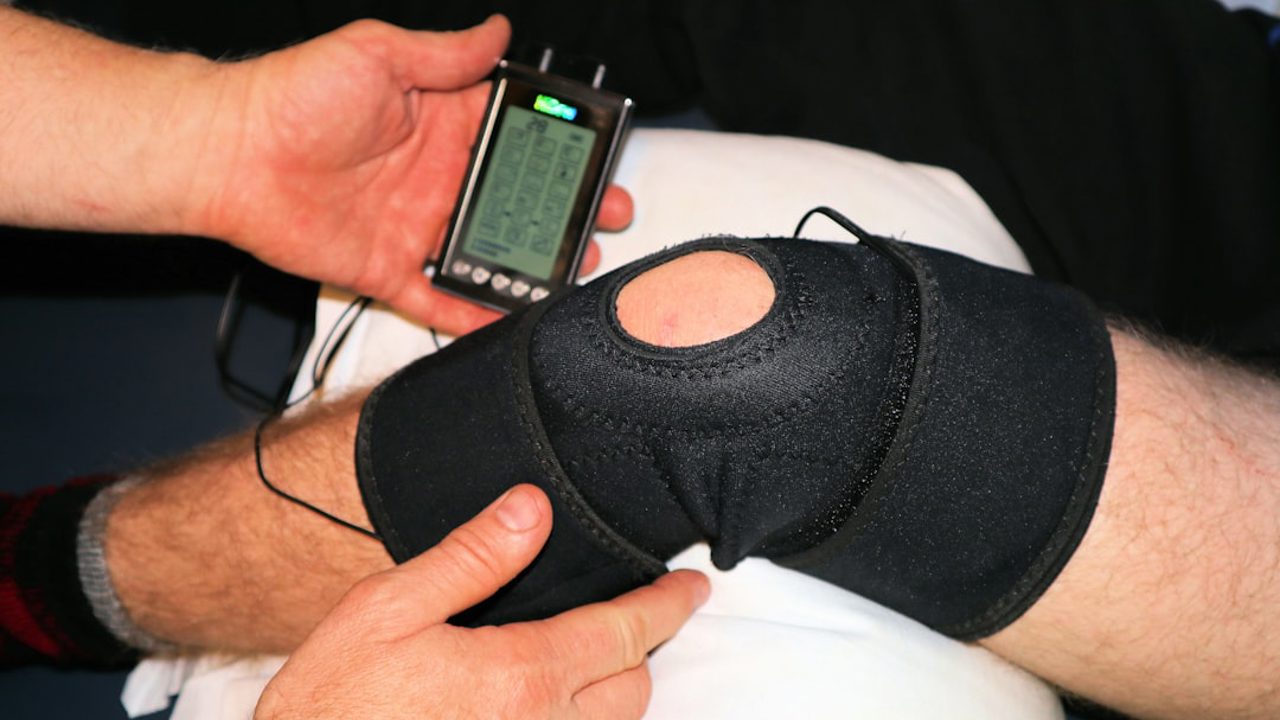
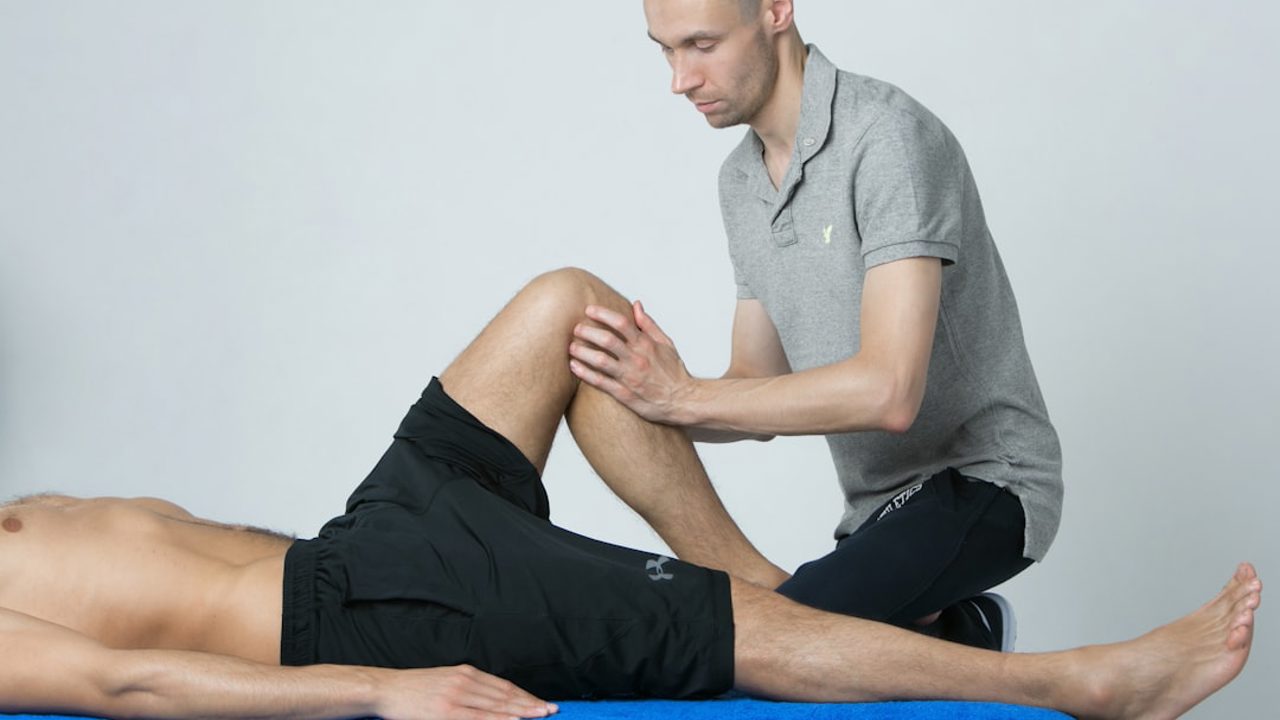
The knees, lower back, and shoulders are areas that can show sensitivity in beginners. When discomfort is felt in the knees, it can help to review foot placement, whether the knee is tracking in the same direction as the foot, and the range of motion. If there is compression in the lower back, reducing spring resistance, making the movement smaller, or switching to a variation that supports the spine better may be considered. For those experiencing shoulder discomfort, it may be more appropriate to focus on stabilizing the shoulder blades and establishing basic pulling–pushing patterns before taking the arms overhead.
One of the common mistakes at the beginning is increasing the spring setting to make it “hard.” However, appropriate resistance serves to improve movement quality; when control is lost, the muscles may not work as intended and the joints may take more load. If you can achieve a “slow and quiet” carriage movement during the exercise, you are usually in the right range.
Small precautions matter when getting on and off the reformer. Stepping onto the platform when the carriage is not stable can throw off your balance; therefore, first controlling the carriage and, if necessary, taking support from the footbar or a fixed point can be a good habit. Gathering the straps and placing them to the side can both reduce the risk of tripping and make the transition to the next movement easier.
Communicating throughout the class is part of progressing safely, especially for beginners. Sharing topics such as a previous injury, pregnancy status, joint sensitivity, or a tendency toward dizziness with the instructor can make it easier to choose suitable modifications for you. If you feel sharp pain, numbness, shortness of breath, or dizziness during the movement, pausing to report it and, if necessary, consulting a healthcare professional may be a more appropriate approach.
In summary, at the beginner stage of reformer Pilates, the focus may be on keeping the spring setting at a controllable resistance, getting to know the equipment and using it correctly, and establishing basic safety habits. Over time, you may notice more clearly which settings align your body better, which equipment gives you more support, and at what tempo you breathe more comfortably. Patient progress can both increase enjoyment and help you build a more sustainable routine.