Possible causes of the “tightness” feeling in the hamstrings and back of the hips
Feeling the hamstrings and the posterior line of the hips as “tight” often simply suggests a need to stretch. Still, in some people, the sensation of stiffness in this area may be related less to the tissues being short and more to the body trying to protect that area—i.e., a lack of control and coordination. For this reason, in the Pilates approach, shifting the goal from merely increasing flexibility to control skills that make movement safer and more manageable may feel more functional for many people.
By “control” in posterior-chain tightness, what is meant is being able to manage when a muscle switches on, how much it works, and how it cooperates with neighboring regions. The hamstrings take on both a support and braking role as the hip joint moves; if trunk stability is weak or the area around the hips is not active enough, part of the load can more easily shift to the hamstrings. In such a scenario, intense stretching may provide short-term relief, but because daily movement patterns do not change, a sense of “tightening again” can be seen.
Movement quality in the Pilates approach: breathing, alignment, and core
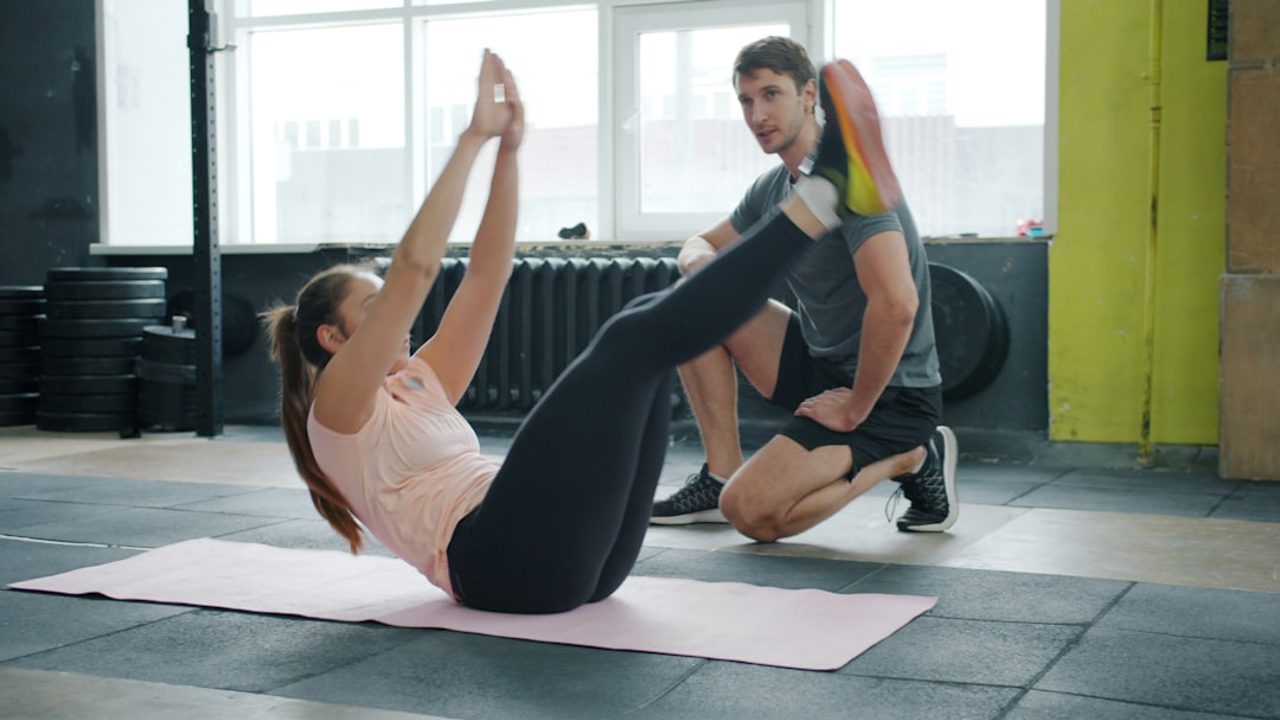
Pilates’ strong point here is its focus on movement quality. With breathing, alignment, and core organization, fundamental patterns such as the hip hinge can be set up more evenly. In this way, rather than staying in a constant “holding” role, the hamstrings can begin to learn to work when needed and release when needed; this may help reduce the perception of tightness in some people.
Pelvic awareness and finding a neutral position
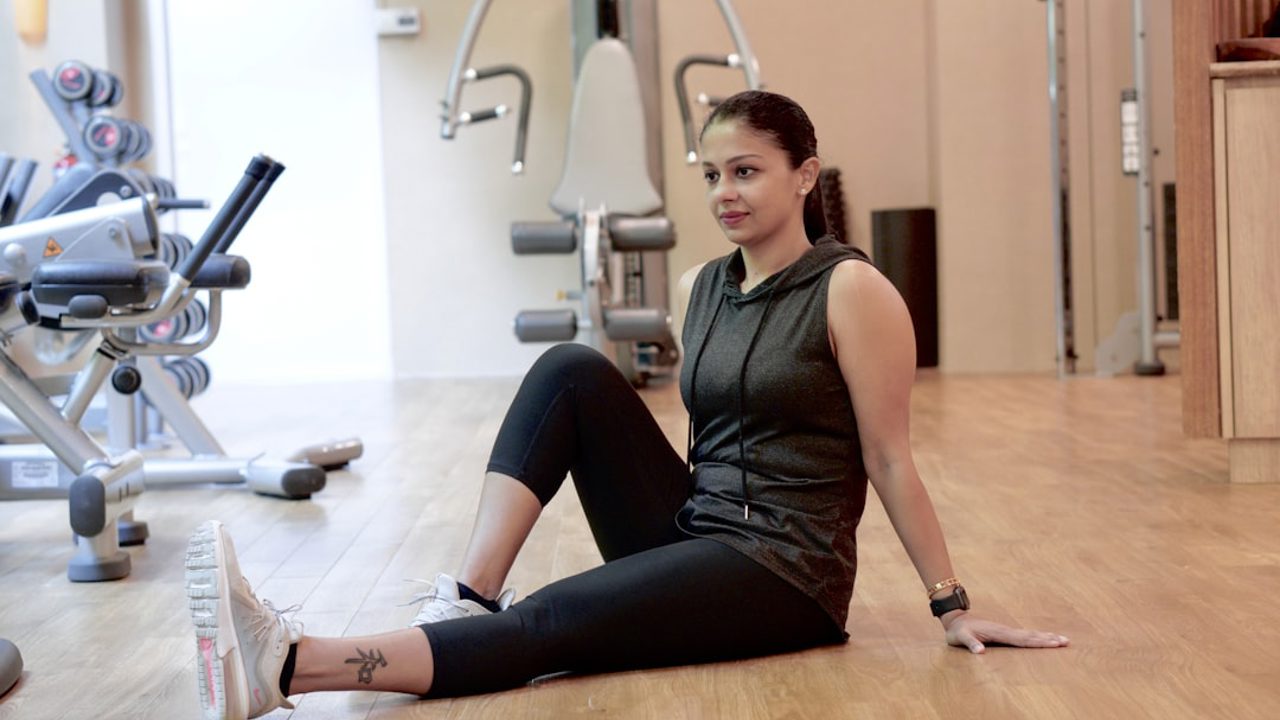
One of the first goals in a control-building approach is to better sense the position of the pelvis. Because the hamstrings attach to the lower part of the pelvis, and as the pelvis tilts forward and backward, the sensation of stretch in the hamstrings can also change. In Pilates, pelvic clock work done in small ranges or gentle posterior-anterior tilt exercises can support a person in finding a position close to “neutral” and being able to maintain it during movement.
Increasing glute involvement and load sharing
Another important point is to increase the sharing of work among the muscles around the hip rather than addressing the back of the hip alone. In particular, the timely engagement of the glute muscles (glute group) and the deep external rotators can balance the perceived load on the hamstrings. In bridge variations, the aim may be to achieve a lifting-and-lowering quality where the ribs are calm, the pelvis is controlled, and weight distribution is even, rather than trying to rise as high as possible.
Training the hamstrings’ “braking” role is also a core part of the control approach. For example, when straightening the leg or bringing the torso forward, seeking slow, measured eccentric control instead of a quick drop can support the tissues’ sense of safety. In the Pilates repertoire, starting with a small angle in movements like leg lowers and raises and gradually increasing the range over time can improve both the sense of security and movement economy in some people.
Control-focused progression without completely giving up stretching, and points to consider
“Control instead of flexibility” may not mean giving up stretching entirely; it can be thought of more as reorganizing timing and dosage. Rather than forcing a tight-feeling area for a long time, pairing short, gentle mobility ranges with controlled strength work may be found more sustainable. Especially light stretching at the end of training, short movement breaks during the day, or gentle oscillations accompanied by breathing can help relax the body without sending a “I’m being strained” signal.
In this process, instead of measuring progress only by “how much did I open up,” it is often more meaningful to look at the fluidity and stability you feel during movement. For example, signs such as the lower back compensating less in the same forward bend, reduced trembling in the legs, or being able to set up the hip hinge more comfortably may suggest that control is improving. Likewise, a decrease in the next day’s “pulling” sensation can be a clue that the approach is appropriate.
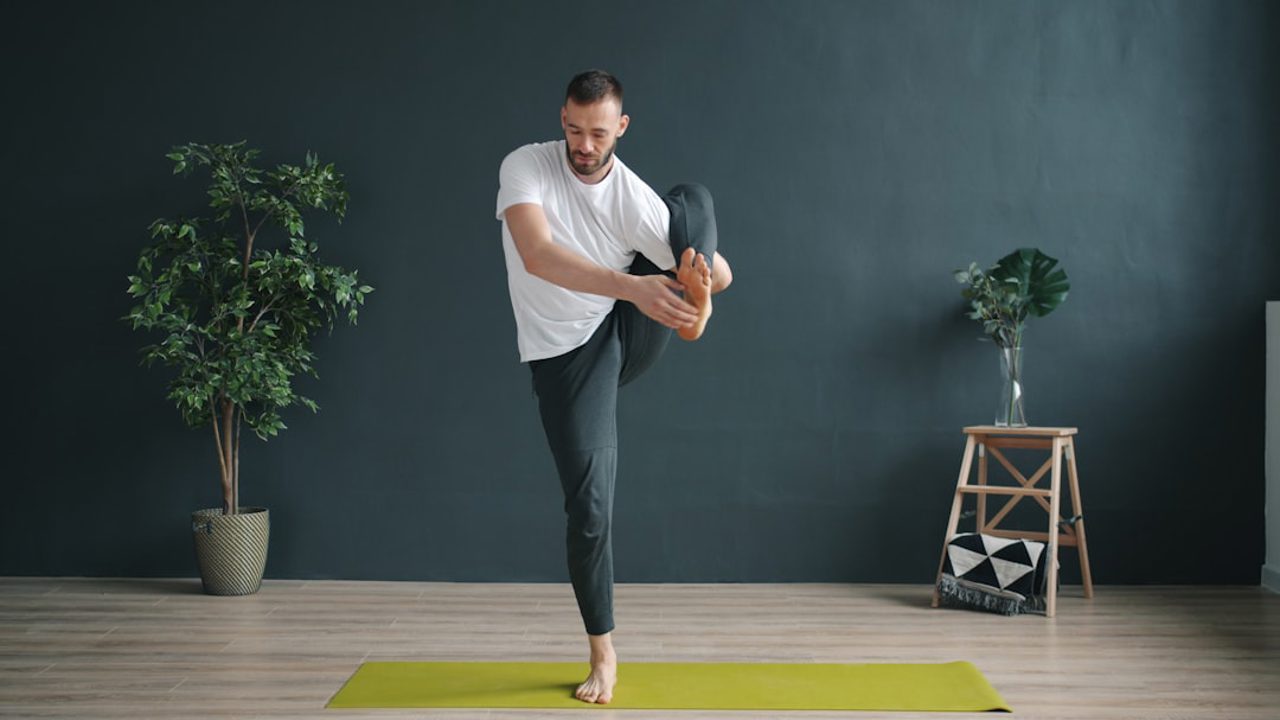
One point to pay attention to is that if the feeling of tightness is accompanied by pain, numbness, tingling, or clear weakness, movement selection needs to be made more carefully. In such cases, instead of intense stretching or challenging deep poses, it may be safer to prefer smaller-range and supported practices and, if necessary, get an evaluation from a professional. In Pilates, the aim is not to fight the body, but to build better organization by reading the signals.
In summary, with the feeling of tight hamstrings and back-of-the-hip tightness, expanding control with Pilates rather than chasing flexibility focuses on improving stability, coordination, and load sharing. With pelvic awareness, proper engagement of the glute muscles, and slow, measured eccentric work, movement can become more manageable. Over time, this approach may support both the perception of “tightness” and comfort in daily movements in some people.