

How Does Knee Pain When Climbing Stairs Occur?
Feeling pain in the knee while climbing stairs is a condition that can make daily life difficult and that many people experience from time to time. This pain may sometimes show itself at the front of the knee, sometimes on the inner side, or around the kneecap. Most of the time, rather than a single cause, it can arise from the combination of several factors such as the support of the muscles around the hip, foot-ankle control, and stair-climbing technique.
Climbing stairs can place a different load on the knee joint compared to walking on flat ground. As the step gets higher, the knee bends more, body weight is carried on one leg in a short moment, and the muscles’ “braking” role increases. During this time, because the contact pressure between the kneecap and the thigh bone can be higher in some people, those who are especially sensitive around the kneecap may feel more pronounced discomfort on stairs.
How Do Hip Strength and Muscle Activation Affect Knee Pain?
Hip strength is an important element that can help the knee stay in the correct line while climbing stairs. When the muscles on the side of the hip (hip abductors) and the muscles that contribute to rotating the hip outward are not active enough, the thigh bone can rotate inward and the knee may tend to collapse inward. This alignment change can affect load distribution in the tissues around the kneecap or in the inner-outer side structures of the knee, potentially setting the stage for pain.
It is important not only that the hip muscles are “strong,” but also that they engage at the right time. In some people, muscle strength is not bad; however, when climbing stairs, the hip muscles activate late or cannot provide sufficient stabilization. In this case, the knee may experience small but repeated losses of control at the moment the foot contacts the step, and sensitivity may increase over time.
The Role of Foot-Ankle Control and Mobility
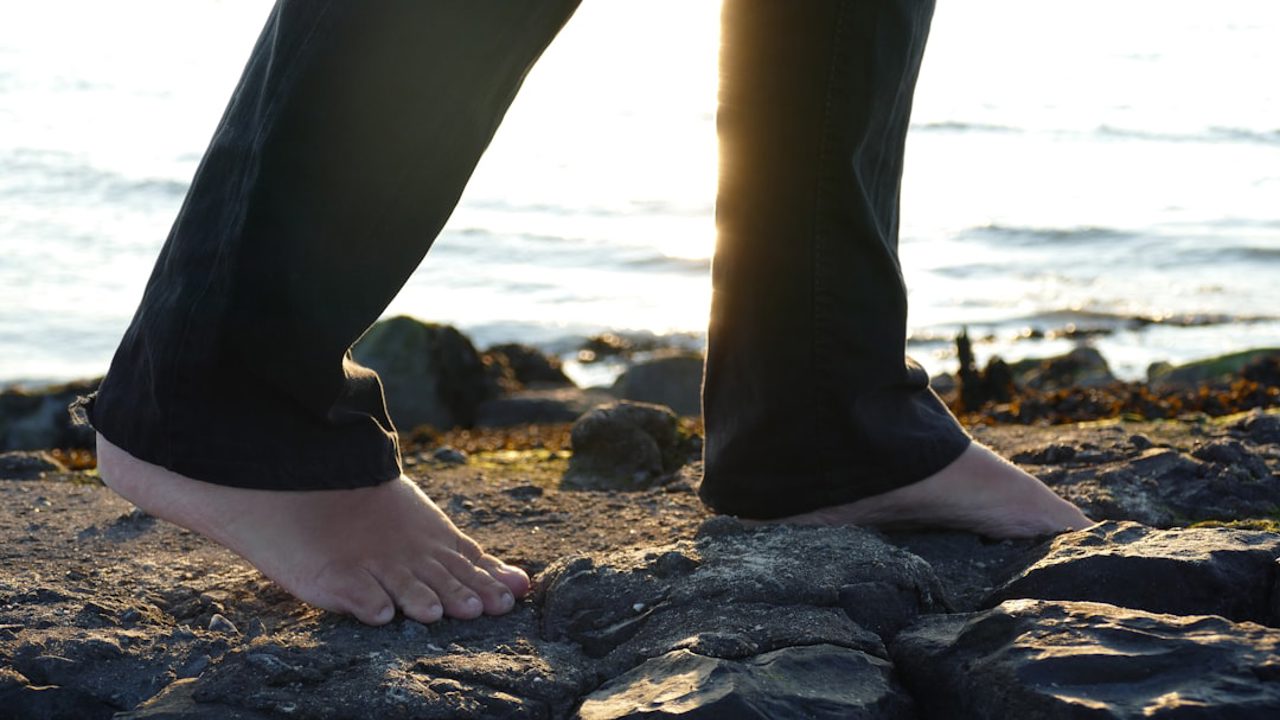
Foot control and ankle mobility can also indirectly contribute to knee pain. Excessive collapse of the foot arch inward (a tendency toward overpronation) or instability of the foot-ankle line on the step can increase inward rotation of the tibia (shin bone). This rotational movement can affect knee alignment and change the load on the area around the kneecap; in some people, pain that appears on stairs may feel like part of this chain.
Ankle range of motion—especially bringing the ankle upward (dorsiflexion)—comes into play when climbing stairs. When the ankle cannot bend enough, the body may develop compensation strategies to maintain balance, such as letting the knee move farther forward or shifting toward the outer edge of the foot. Such compensations can strain certain parts of the tissues around the knee more than necessary.
Stair-Climbing Technique and Environmental Factors
Technique errors can often fuel pain without being noticed. Small details matter, such as stepping “hard” onto the step, rising quickly, the knee shooting far in front of the toes, leaning the trunk forward more than necessary, or conversely keeping the trunk back and piling the load onto the kneecap. Especially with fatigue, the knee collapsing inward or the heel not finding enough space on the step can cause the load to concentrate in the knee.
The consistency between the direction of the knee and the direction of the toes while climbing stairs is also a practical indicator. When the knee does not track in line with the second-to-third toe, forces across the joint line may be distributed more unevenly. This may not create a major problem in a single instance; however, if stairs are climbed frequently during the day or if sports load is also high at the same time, sensitivity may increase more easily.
In some cases, step height and environmental conditions can also be influential. High steps increase knee bending; narrow stairs can make it harder for the foot to be placed fully; slippery surfaces can cause a person to move more cautiously but more “locked.” Under such conditions, because the muscles work with more tension, discomfort around the knee may be felt more quickly.
Ways to Manage Pain and When to Seek Professional Advice
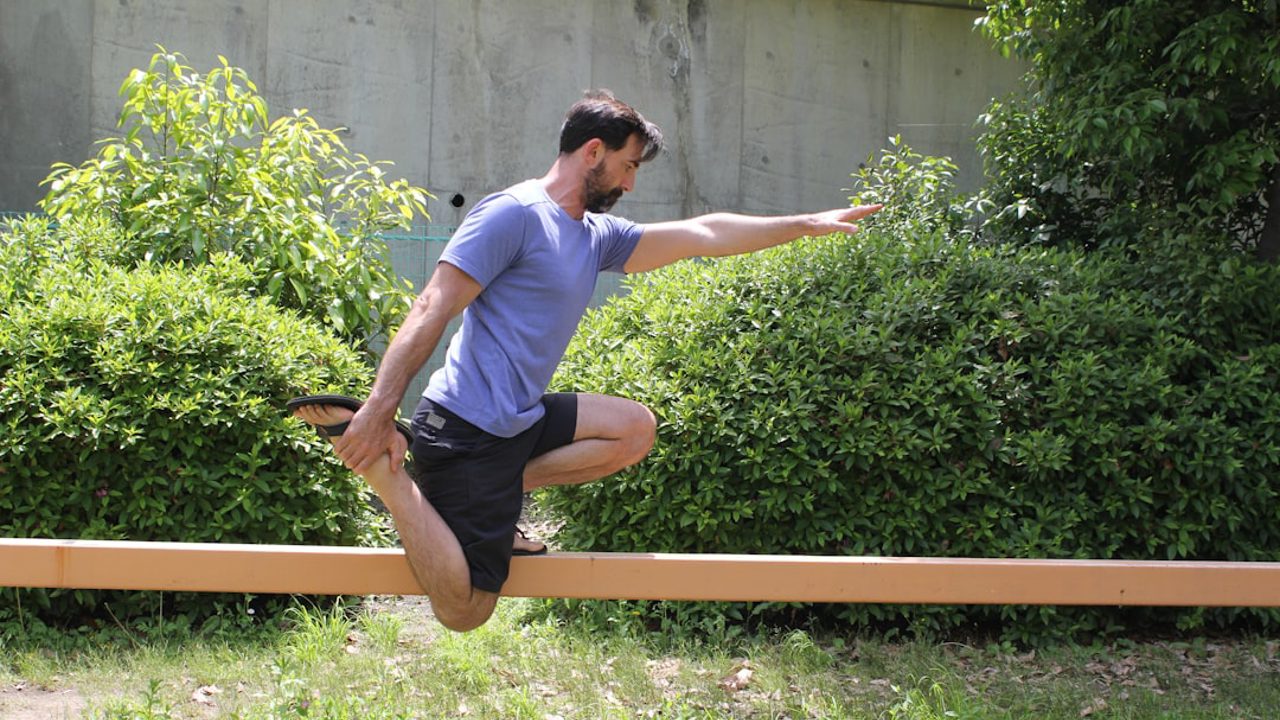
An approach that can help manage pain in daily life generally focuses on making load and control more balanced. Trying a slower pace on stairs, attempting to place the whole foot on the step, keeping the knee from dropping inward and having it track in the same direction as the toes, and if possible using the handrail for support for a while can be relieving for some people. On days when pain increases, reducing the number of stair repetitions or taking short breaks can also be supportive in terms of load management.
For those who want to improve hip and foot control, including balance and controlled strength work within a pain-free range can be a useful option. For example, maintaining balance on one leg, slow and controlled movements targeting the muscles around the hip, or exercises aimed at keeping the foot arch active may contribute to the knee staying more stable during stair climbing. In such practices, the goal should be to increase movement quality and consistency rather than to push hard.
If the pain is concentrated in a single spot, or if symptoms such as swelling, increased warmth, a locking sensation, a clear sense of giving way, discomfort that disrupts sleep at night, or progressively increasing limitation accompany it, consulting a professional may be appropriate. In this way, the hip, foot-ankle, and movement patterns can be evaluated together as well as the knee itself, and recommendations suitable for the individual can be planned.
In summary, knee pain when climbing stairs is a condition that is shaped not so much by the knee being “weak” alone, but by the combination of hip strength and timing, foot-ankle control, and small errors in stair-climbing technique. Making the movement more controlled, managing load gradually, and trying to improve lower-extremity alignment can be supportive for many people. By monitoring the signals your body gives, progressing without increasing discomfort can generally be seen as one of the safest approaches.