
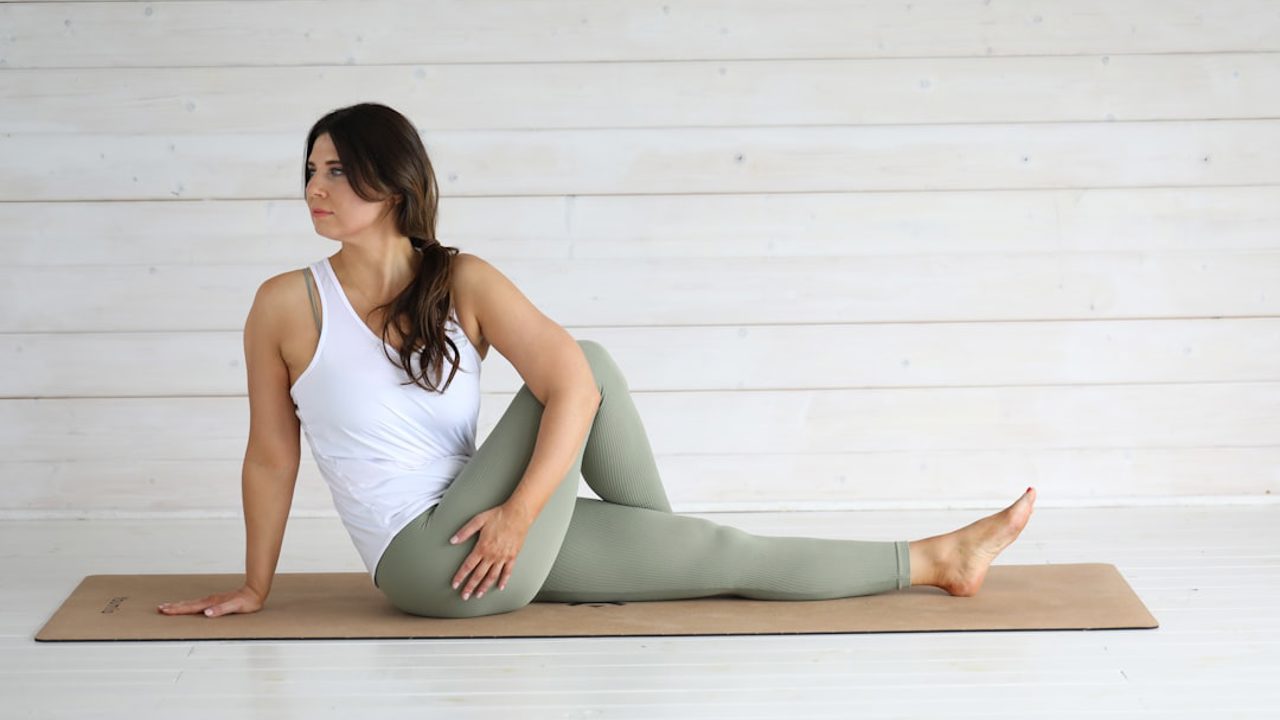
Because complaints like a herniated disc and sciatica can make daily movements difficult, you may want to choose exercises more carefully. Pilates, with its controlled, slow, and body-awareness-based approach, is seen as an option that may help support the lower back area in some people. Still, since the cause of every back pain is not the same, which movements are appropriate can vary depending on the individual and the current findings.
What kind of approach does Pilates offer for a herniated disc and sciatica?
What stands out about Pilates in this process is that it aims to activate in a balanced way the abdomen, lower back, and hip area—often referred to as the “core.” This approach can help distribute the load on the spine better and support staying more stable during daily movements. However, the goal should not be to force stretching or to gain strength quickly, but to progress in a controlled range that does not increase pain.
When choosing suitable movements, the most practical criterion is to observe how the pain behaves. If, during a movement, aching that radiates from the lower back down the leg, numbness, or tingling increases, or if there is a noticeable flare-up afterward, that exercise may not be suitable for that day. To stay on a safer track, starting with small ranges, not holding your breath, and not taking the movement into a “tugging/pulling” sensation can be considered a protective approach for most people.
Pilates exercises that are generally better tolerated
Options that are generally well tolerated include basic work that keeps the spine in a neutral position and gently engages the deep abdominal muscles. Low-intensity variations—such as, lying on your back, calming the pelvis and ribs and “gathering” the abdominal area with the breath, or slowly lifting and lowering one leg without changing the position of the lower back—may help increase a sense of control in some people. The key point here is for the movement to remain small and for the lower back not to be forced to press into the floor.
Work that strengthens the hip area and may help reduce the load on the lower back also often finds a place in programs. Movements targeting the lateral hip muscles—such as, lying on your side with knees bent and gently opening and closing the top knee—can contribute to everyday walking mechanics when performed with proper alignment. While working the hips, avoiding arching the lower back and keeping the torso from swaying can increase effectiveness while reducing strain.
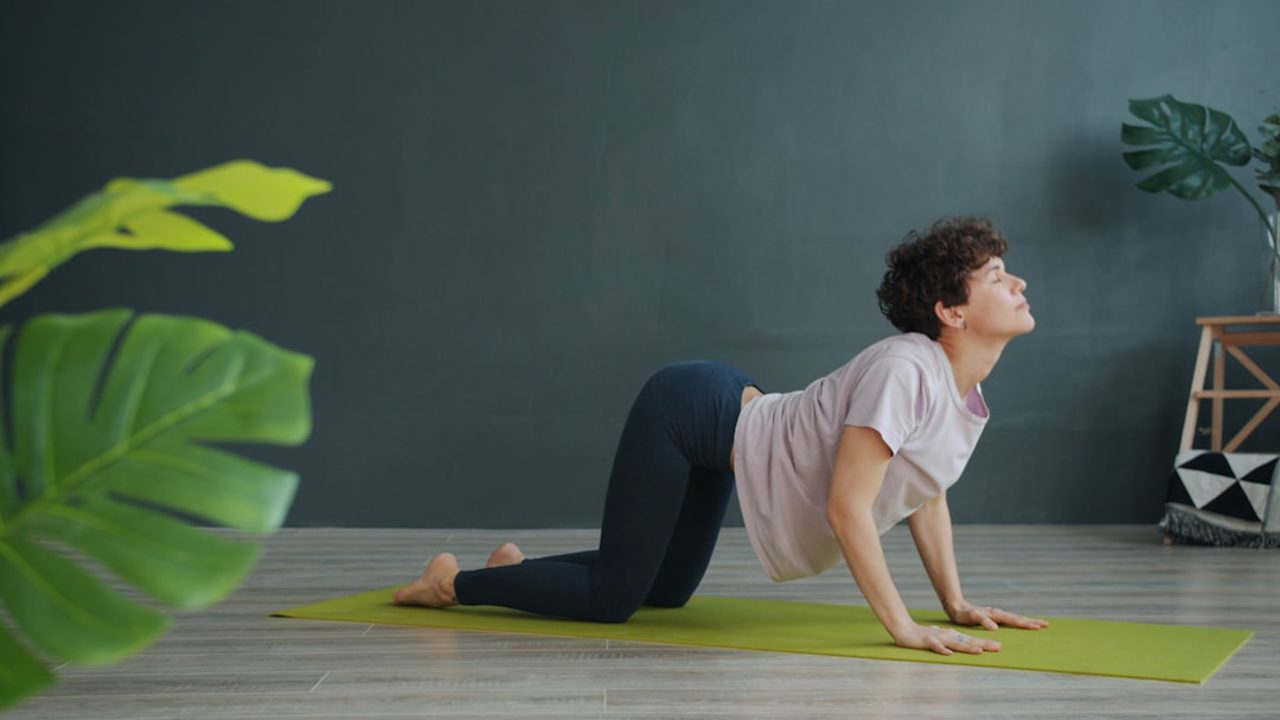
Gentle mobilizations that address spinal mobility within a safe range can also be relieving for some people. For example, small cat-cow transitions on all fours, done without exaggeration, can help reduce the feeling that the lower back is “locked up.” In such movements, the aim is not maximum stretching, but finding a smooth, pain-free rhythm.
Because nerve tissue can be sensitive in sciatica complaints, the stretching approach may need to be planned more carefully. Hard, long-duration stretches done under the name of hamstring or hip stretching may increase symptoms radiating down the leg in some people. For this reason, instead of stretches that “chase tension,” staying within short-duration, low-intensity ranges that leave a sense of relief afterward may be a more reasonable option.
Pilates movements and risky variations that might be considered to avoid
Movements that might be considered to avoid are mostly variations that place sudden load on the spine and require high repetitions and large angles. Deep forward bends from the waist, roll-ups, fast sit-ups, or aggressive abdominal work done with the legs kept straight can increase pressure in the lower back area and may trigger symptoms in some people. Similarly, movements that involve forcing the torso into twisting may also not feel good, especially during flare-up periods.
Intense backbending movements where the lower back arches markedly like a bow may also not be suitable for everyone. While some people feel relief in these positions, in others a pinching sensation in the lower back or symptoms radiating into the leg may increase. Therefore, even if work involving backbending is tried, staying within a small range, controlled, and within a “feels good” limit may offer a safer framework.
For safer practice: daily habits, technique, and when to see a specialist?
Another factor that makes exercises safer is setting up a plan that is compatible with daily life habits. Not staying in the same position for long periods, creating a setup where the lower back is supported while sitting, and increasing circulation with low-impact activities like walking can support the effect of Pilates. Also, without forgetting that fatigue and stress can affect pain on training days, adjusting the intensity accordingly may be beneficial.
There are basic technical points to pay attention to during practice. Moving without holding your breath, without forcefully pressing the ribs down, and gently drawing in the abdominal area; not tensing the neck and shoulders unnecessarily; and maintaining hip and torso alignment makes things easier in most exercises. When a feeling arises that the movement is being done “by force,” reducing the number of repetitions or returning to an easier variation may be wise.
When to seek professional support is also important. In situations such as clear loss of strength in the leg, progressing numbness, or an increase in pain that seriously affects daily function, consulting a healthcare professional may be a more appropriate step. As for Pilates, doing it with an instructor experienced with low-back/sciatica issues and with individualized adjustments can make it easier to choose suitable movements and eliminate risky patterns.
In summary, Pilates can be considered an exercise approach that increases body awareness and supports trunk stability for some people with complaints of a herniated disc and sciatica. The most appropriate movements are generally selected according to the principles of a neutral spine, controlled tempo, and a range that does not increase pain. Those likely to be avoided are fast, large-angle, demanding bending-twisting or excessively loading variations; proper progression can become safer when shaped by monitoring the person’s response and, when necessary, with expert input.