
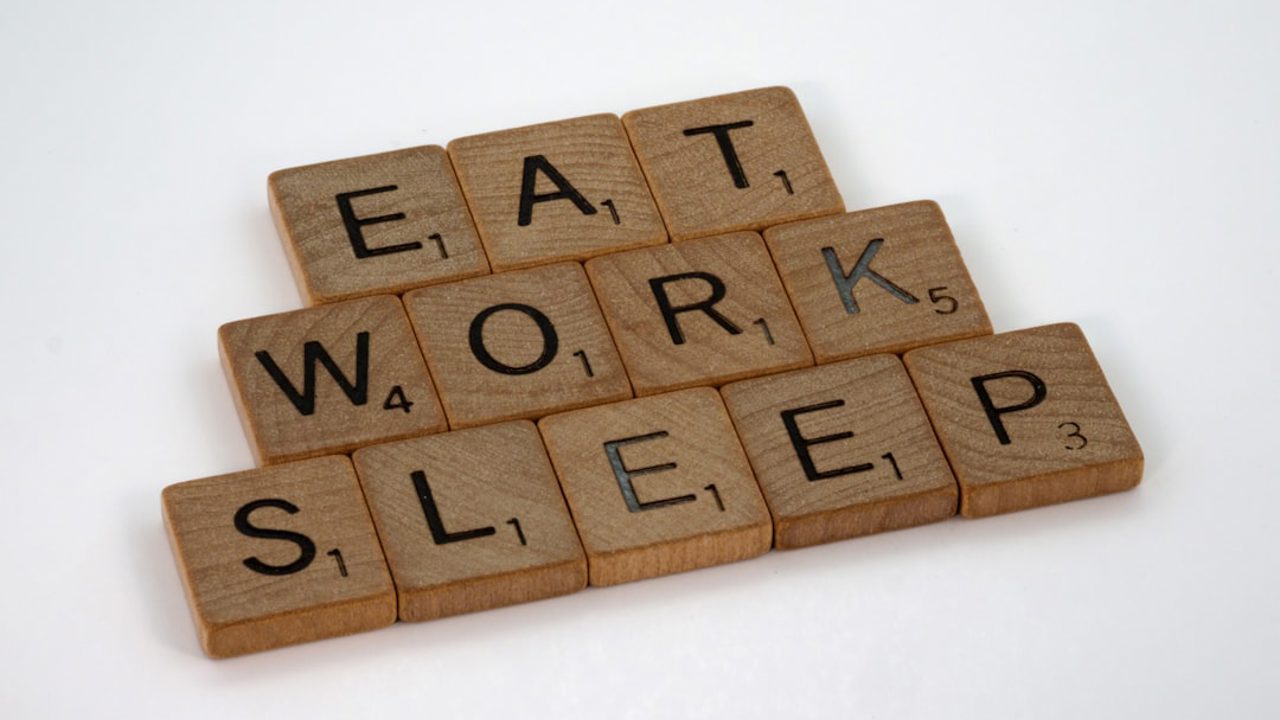
Intermittent fasting is known as a dietary approach that aims to eat within a certain time window and avoid calorie intake during the remaining hours. While it can be practical for some people, it may not be a good option in every case because not everyone's biology and daily routine are the same. Topics such as hormonal balance, sleep quality, and training performance can be especially decisive when evaluating whether this method is suitable for an individual.
Why doesn’t intermittent fasting produce the same results for every individual?
First of all, it may be more realistic to read the phrase “not suitable” as “needs to be handled carefully” in many cases. Because the same method can create a sense of energy and order in one person, while in another it may lead to outcomes such as appetite fluctuations, restlessness, or decreased performance. Therefore, thinking of intermittent fasting not as a set of rules but as a trial process shaped by the signals the body gives provides a safer framework for most people.
The relationship between hormonal balance, the menstrual cycle, and intermittent fasting
When it comes to hormones, especially for people who have a menstrual cycle, the timing of energy intake can become a more sensitive issue. Some people may feel more irritable, more sensitive, or more tired during long fasting periods; this may indicate a load related to stress hormones. Considering that appetite, energy level, and recovery can naturally change throughout the cycle, a more flexible approach rather than a very strict fasting window may be more sustainable for some people.
During pregnancy and breastfeeding, energy and nutrient needs can generally increase. Long fasting intervals may make it harder for some people to reach sufficient calories and nutrient variety during the day. Since the main goal in these periods is generally regular, balanced, and adequate nutrition, a plan centered on individual needs may offer a more suitable ground than trying intermittent fasting.
Intermittent fasting may also require caution for those who have experienced struggles related to eating behavior in the past. Time restriction can strengthen the perception of “forbidden hours” in some people and trigger a sense of loss of control or increase food-focused thoughts. Considering that eating patterns are closely related to psychological well-being, flexibility and sustainability become a determining factor here.
Intermittent fasting in sleep quality and shift work schedules

When we consider the relationship with sleep, intermittent fasting can make it harder for some people to fall asleep due to evening hunger or increase nighttime awakenings. Especially people who train late in the day or have a heavy mental workload may feel more tense when they don’t achieve enough satiety in the evening. When sleep quality deteriorates, appetite management and energy balance can become more complicated the next day, so even if the “plan” looks good, it may be challenging in practice.
For those with shift work schedules, since the sleep-wake rhythm already fluctuates, squeezing eating into a narrow time window can create extra stress. Because even the concept of “dinner” changes for someone who works at night and sleeps during the day, a fixed fasting window may not fit daily life. In this case, the goal can be shifted away from sticking to the clock toward more fundamental targets such as regular meals and adequate protein-fiber intake.
Is intermittent fasting suitable for training performance and muscle goals?
Compatibility with training also varies from person to person. Some people who do high-intensity exercise early in the morning may experience decreased performance, dizziness, or trouble focusing on an empty stomach. These signals may indicate that nutrition timing needs to be reconsidered to maintain training quality; because when the sports routine is not sustainable, the nutrition plan also becomes harder in the long term.
For people aiming for muscle gain or high training volume, getting sufficient energy and protein spread throughout the day is important. A very narrow eating window can make it difficult for some people to meet this need and may push them toward portions so large that digestion becomes difficult. For this reason, rather than a “fewer meals” approach, personalizing meal distribution to support recovery and training quality may be more functional.
Daily pace, work performance, and sustainability in intermittent fasting
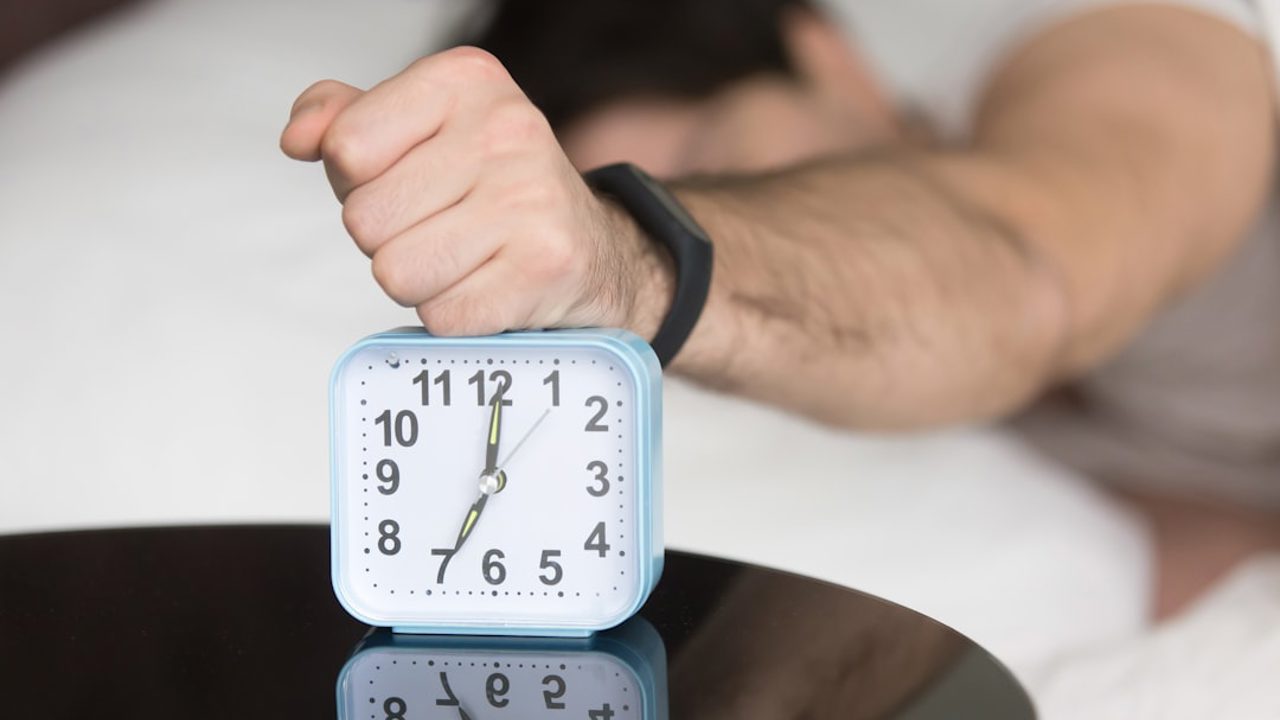
Long fasting periods can also pose practical risks for people who have frequent meetings during the day, work at a high pace, or drive for long periods. Distraction, restlessness, or sudden energy drops can affect work performance; this reduces the method’s fit with daily life. In such a picture, more regular snacks or a wider eating window may be easier to implement for some people.
For someone considering trying intermittent fasting, the most useful approach may be to monitor the body’s feedback. Signs such as deterioration in sleep quality, a noticeable drop in training, excessive mental preoccupation during the day, and a feeling close to binge episodes may suggest that the plan needs to be adjusted. The goal is not short-term “endurance,” but establishing a routine that supports daily life.
In summary, while intermittent fasting can be a practical tool for some people, it may not always align smoothly with hormones, sleep patterns, and training goals. Leaving room for flexibility, adjusting the eating window to the rhythm of life, and evaluating the performance-sleep-mood trio together often provides a healthier framework. To find the path that suits you best, prioritizing sustainable habits that fit your lifestyle and make you feel good can be a more supportive starting point for most people.