

Children gravitating toward certain foods at some stages and rejecting others can become part of everyday life in many families. Selective eating behavior may sometimes be related to a developmental phase, and sometimes to factors such as the child’s temperament, sensory sensitivities, or fatigue during the day. In this process, the goal may be less about creating a child who “eats perfectly” and more about turning the table into a calmer, more sustainable routine.
The impact of the family table and role modeling on selective eating
The family table is an important setting that shapes a child’s relationship with food. Sitting at the same table, seeing adults’ balanced choices, and hearing natural conversations about food can, over time, help increase the willingness to try. The focus here may be not on constantly monitoring how much the child eats, but on helping them feel that the meal is a social space for sharing.
Reducing portion pressure and supporting hunger–satiety cues
Portion pressure, even when well-intentioned, can cause some children to develop resistance toward eating. Insistence such as “one more bite” can increase a child’s need for control and reinforce pickiness. Instead, allowing room for the child to notice their hunger and fullness cues can support a more secure eating pattern in the long run; adults can keep the process balanced by deciding what will be offered and the routine.
A gentler way to manage portions is to start small. Putting a large amount of food on the plate can be intimidating for some children; offering a small amount and knowing they can take more if they want can provide a more reassuring framework. For some families, the “tasting” approach—introducing a new food as a very small piece—can help lower the threshold for trying.
Increasing food variety: small steps and the “safe food” approach

When increasing food variety, it is important to keep expectations realistic; the process of getting used to new tastes can take time. Rejecting a food the first time may not mean the child will never like it. Encountering it again on different days and in different presentations—for example, seeing the same vegetable roasted one day and in a soup another day—can make acceptance easier for some children.
The concept of “safe foods” can work for picky children. Keeping 1–2 familiar options that the child usually eats on the table and adding a small novelty alongside can both reduce anxiety and make room for new foods. This way, the child can become more open to exploring at their own pace without fear of going hungry.
The emotional climate of mealtimes and managing sensory sensitivities
The emotional climate of mealtimes can sometimes be more decisive than the content. When criticism, comparison, or bargaining increases at the table, the child may focus on conflict rather than eating. Using a calmer language, not turning food into a reward–punishment system, and making the table as predictable as possible can help reduce tension in some families.
A child’s sensory sensitivities can also affect pickiness. Some children may have difficulty tolerating certain textures, smells, or mixed plates; this may be less about stubbornness and more about a comfort-zone issue. Serving sauces separately, preparing plates where foods do not touch each other, or observing textures like crunchy–soft and generating options accordingly can make trying easier.
Participation, meal routine, and when to seek professional support
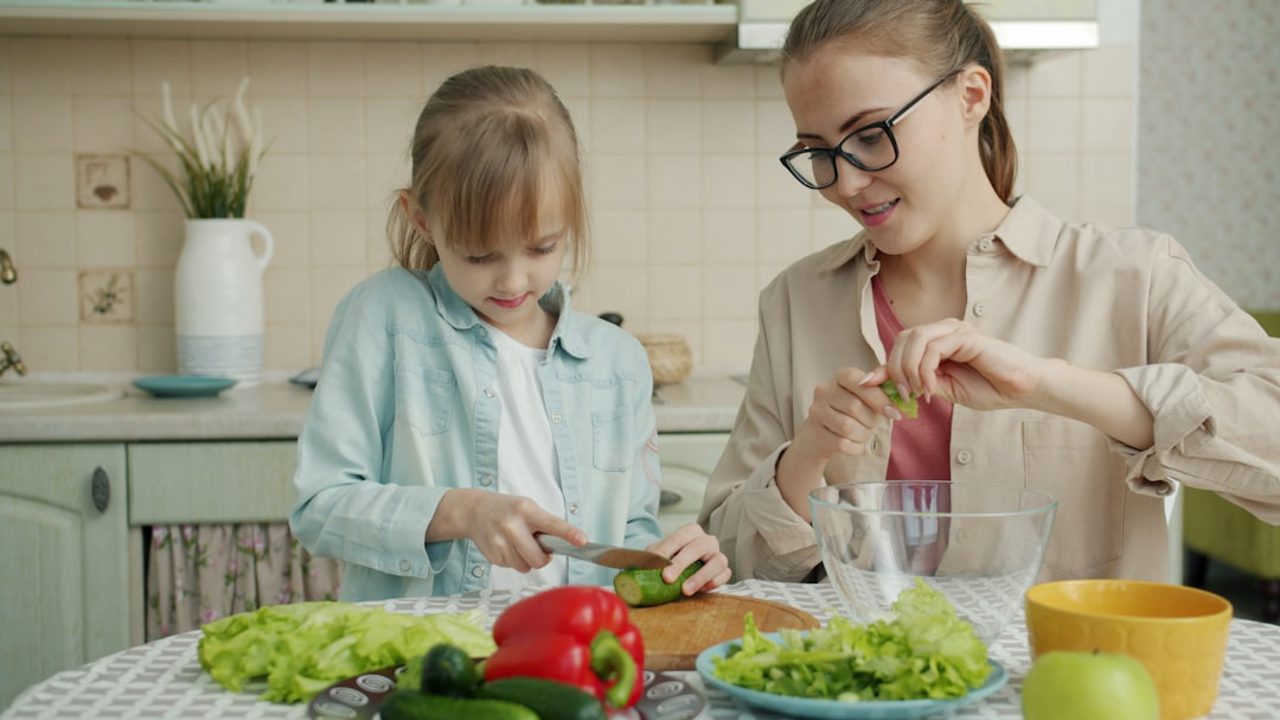
Giving small tasks in the kitchen is also a method that can increase interest. Simple participation such as choosing vegetables at the market, washing, stirring, or arranging the plate can support the child in building a connection with food. Some children may be more willing to taste the meal they helped prepare; the process can shift from a “must eat” obligation to a space of “curiosity.”
Meal routines and the timing of snacks can also affect appetite. Frequent snacking throughout the day can lead to reluctance at dinner; on the other hand, very long gaps without eating can also increase restlessness at the table. Creating a rhythm that fits the family’s own routine—one that is not overly rigid but consistent—can help the child know when to expect food.
When coping with selective eating, the goal may be to establish a safe learning environment rather than to get them to eat a lot in a short time. Being a role model at the family table, reducing portion pressure, and increasing variety in small steps generally offer a more sustainable approach. If pickiness clearly makes daily life difficult, raises concerns about weight gain and growth, or creates intense stress around eating behavior, seeking individualized support from a child health specialist and a nutrition professional can also be helpful.