
Plate plan approach for high cholesterol
When cholesterol values come back high, many people may not know where to start. The plate plan approach can make daily choices easier to understand instead of completely “banning” certain foods. The goal can be to reduce saturated fat while increasing fiber-rich foods and regularly bringing sources of fatty acids like omega-3 to the table.
Emphasis on vegetables and choosing high-fiber carbohydrates
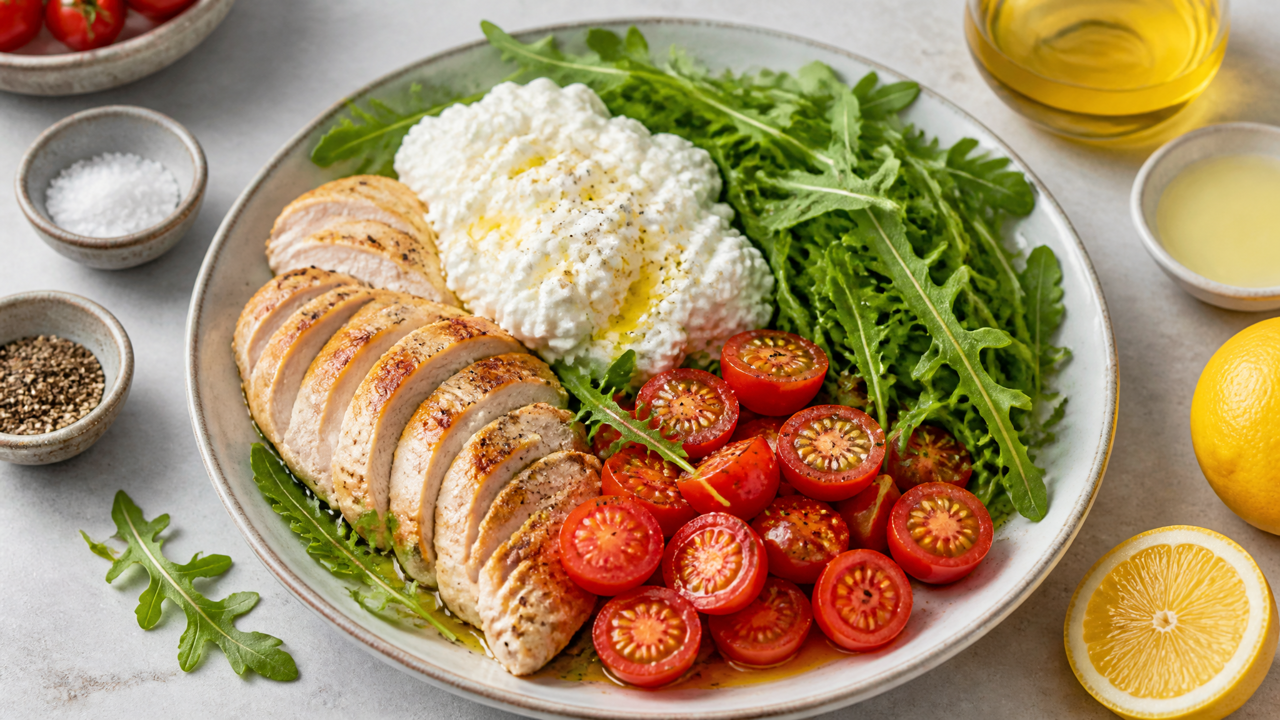
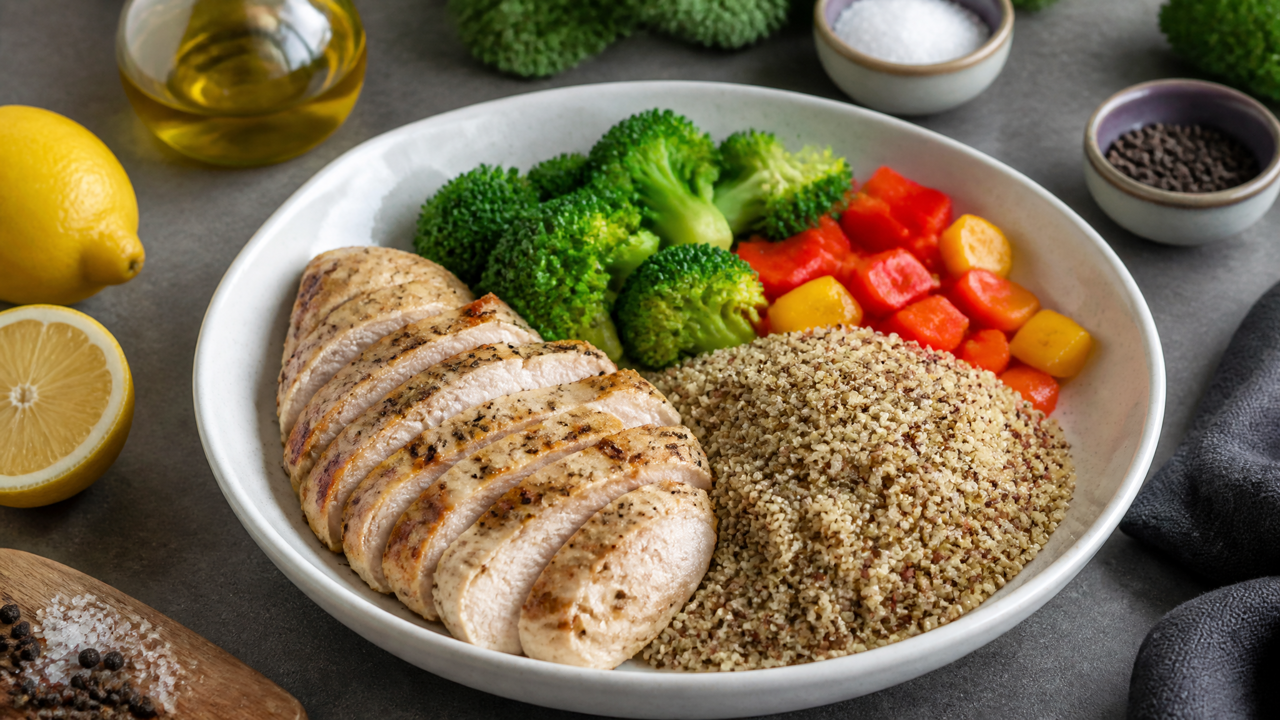
As a first step, filling half the plate with vegetables offers a practical habit for most people. Options like colorful salads, vegetable dishes cooked with olive oil, and roasted broccoli-cauliflower can both add volume and create a filling meal with low energy. The natural fiber that comes with vegetables is a component that, in some people, can have a supportive effect on blood lipids.
Setting aside a quarter of the plate for carbohydrate sources with a higher fiber content can make balance throughout the day easier. Instead of white bread, rice pilaf, or refined pasta, whole grains, oats, bulgur, buckwheat, or bran/whole-wheat options can be tried. Especially the soluble fiber found in foods like oats and barley has a feature that may help some people manage LDL cholesterol levels.
Protein choice: limiting saturated fat
In the remaining quarter, protein choice stands out, and limiting saturated fat here can be an important detail. Skinless chicken/turkey, fish, legumes, and lower-fat dairy products can be chosen more often. If red meat is to be consumed, reducing the portion, trimming visible fat, and shifting the cooking method to options like grilling, boiling, or baking can offer a more balanced approach.
The point that makes the biggest difference regarding saturated fat is which fat is used and how often. Butter, tail fat, cream, full-fat cheeses, processed meats, and solid fats used in pastries can be sources of saturated fat; reducing these may support cholesterol management in some people. Turning to unsaturated fats like olive oil in meals can provide a better balance when used in moderation without overdoing portions.
Omega-3 sources and smart snack choices
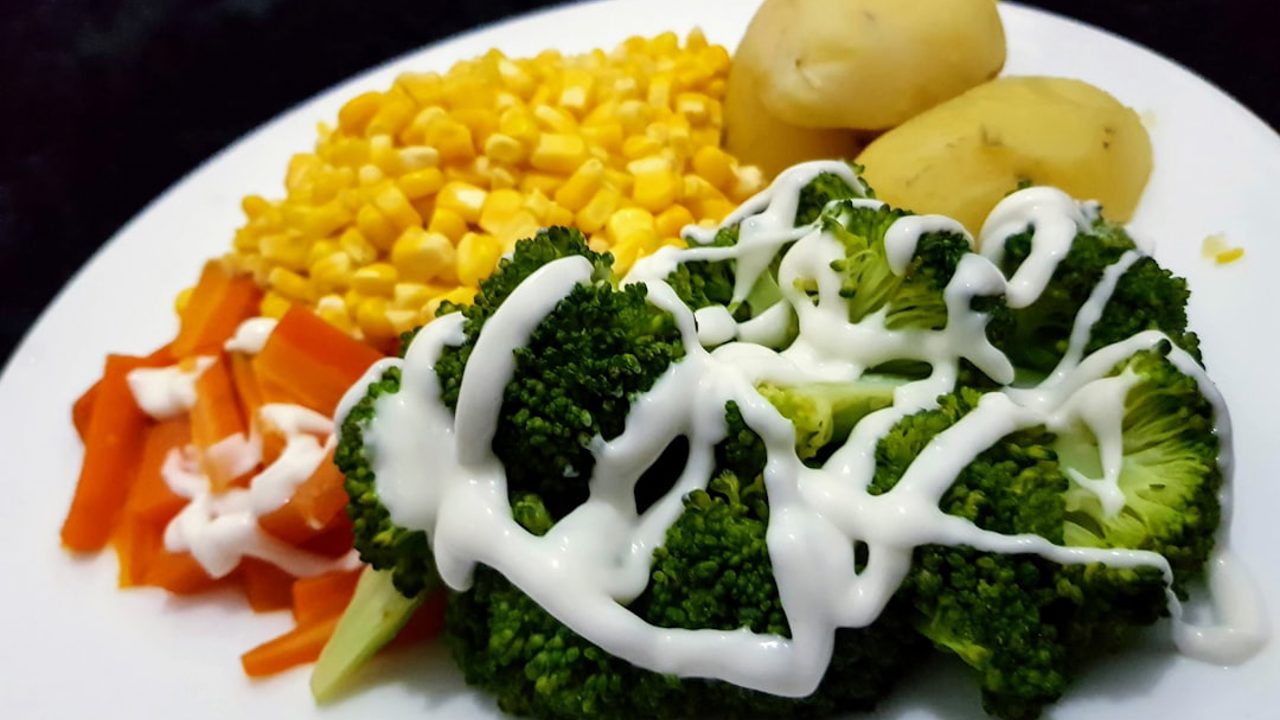
On the omega-3 side, regular fish consumption is a frequently discussed strategy. Fatty fish such as salmon, sardines, and mackerel are known for their omega-3 content; including them in a weekly routine may be beneficial for some people. For those who do not eat fish, options like walnuts, chia, and flaxseed can offer a supportive alternative; still, keeping in mind that these can be calorie-dense, using them in moderation may help.
Daily snacks and beverages can increase the overall saturated fat and sugar load without you noticing. Instead of cookies, chips, packaged cakes, sugary coffees, and ready-made sauces, more balanced options like yogurt/kefir, a handful of unsalted nuts, fruit, or a small whole-grain sandwich can be preferred. These small changes can raise the overall quality of the plate by the end of the day.
A sustainable plan with increased fiber, water intake, and cooking methods
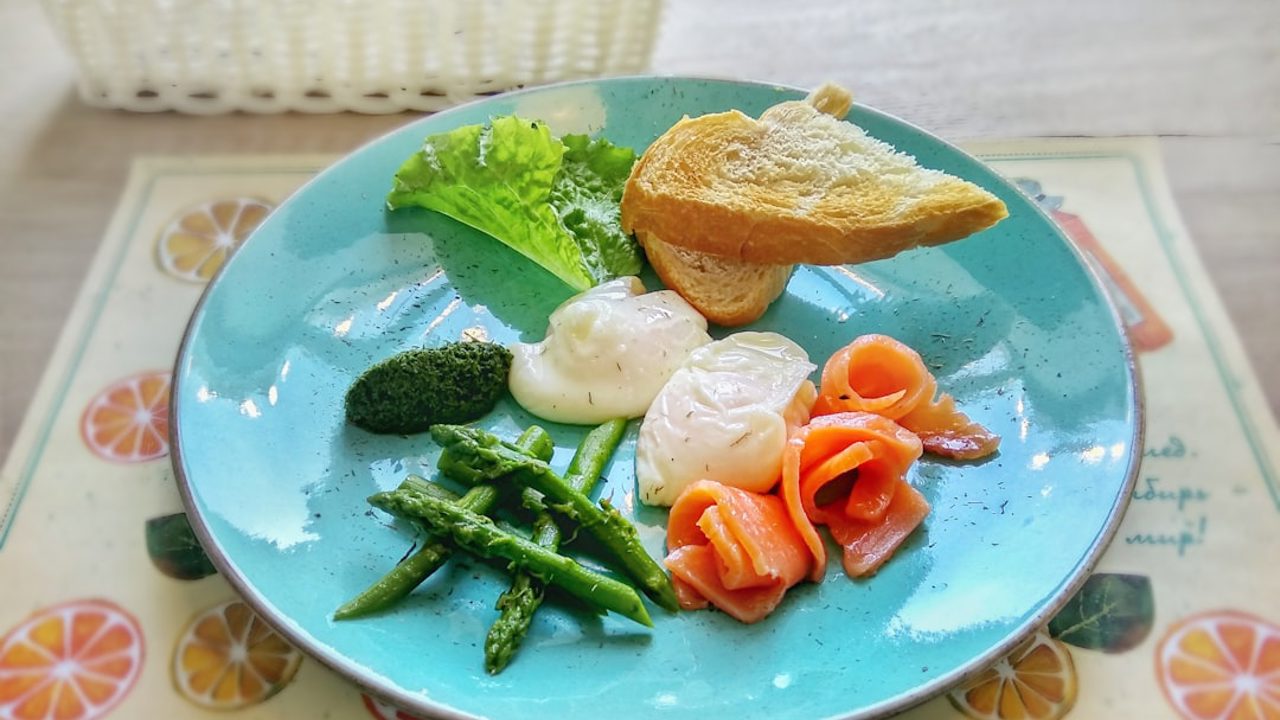
While increasing fiber intake, also supporting water consumption can provide more comfortable digestion for most people. Steps such as spreading legumes across a few meals per week, adding them to soups or salads, and increasing vegetable portions naturally raise fiber intake. To tolerate the increase in fiber better, progressing gradually is generally easier.
The cooking method is also an invisible but effective part of a cholesterol-friendly plate plan. Methods like baking, grilling, steaming, or sautéing in a pot instead of frying can help reduce total fat. In addition, combining meat dishes with vegetables can increase satiety without increasing portion size.
To adapt this plan to daily life, you don’t have to be perfect; what matters is the overall direction. Setting aside half the plate for vegetables, cutting back on frequent sources of saturated fat, making high-fiber grains and legumes more prominent, and regularly making room for omega-3 sources are practical steps for most people. Since personal health status and needs may differ, getting support from a nutrition professional—especially if there are additional illnesses or special dietary requirements—can clarify your roadmap.