Sleep quality can be shaped not only by how tired you are, but also by the small details of the environment you spend the night in. Temperature, in particular, is seen as an important environmental factor that can influence the body’s transition into relaxation and rest mode. Details such as the room temperature, the bedding you choose, and when you take a shower can help some people fall asleep more easily and sleep through the night with fewer interruptions.
The Relationship Between Sleep Quality and Temperature
As the body approaches sleep, it tends to lower its internal temperature slightly; this natural shift can reinforce the signal that “it’s time to rest.” For this reason, a very warm room may be associated in some people with restlessness, sweating, or frequent waking. An overly cool environment can also create tension due to feeling cold, so the goal is generally to find a balanced level that feels neither hot nor cold.
How Do You Adjust Room Temperature to Your Comfort?
When adjusting room temperature, rather than relying on a single “ideal” number, it may be more useful to follow your own comfort cues. If you sweat at night or often kick off the duvet, cooling the room slightly may help; if you wake up cold toward morning, dressing in layers or rearranging the top bed layers may feel more appropriate. If you don’t have a thermostat, small changes like briefly airing the room by opening a window, leaving the door slightly ajar, or moving the heat source farther from the bed can make a difference.
Choosing Bedding: Heat Management and Fabric Preferences

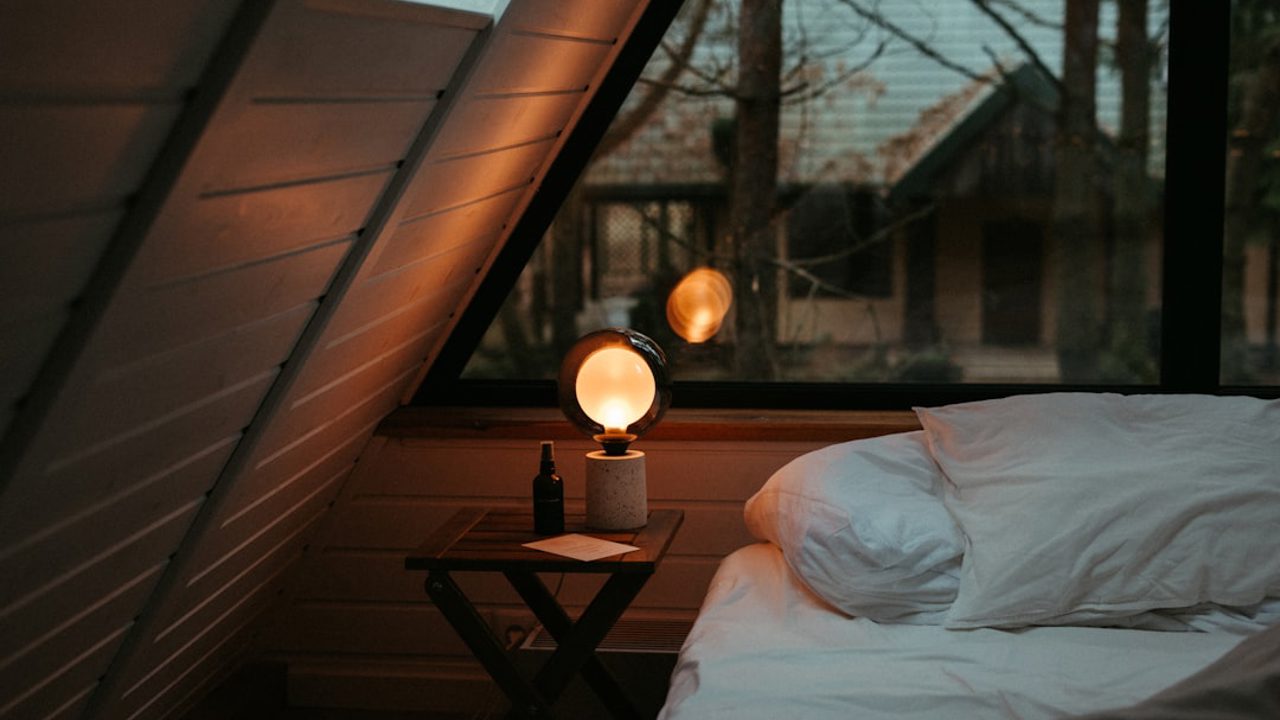
Choosing bedding may be more influential than you think on how the body manages heat throughout the night. Breathable fabrics can help reduce sweating for some people and support a “drier” sleep feel. On the other hand, while highly insulating options may be appealing to those who like warmth, for people prone to overheating, lighter and layered use often offers a more flexible solution.
A layering approach makes it easier to adapt to changing temperature needs during the night. Combinations such as a thin sheet, a medium-weight duvet, and a blanket that can be added when needed may be more manageable compared with a fixed, single-piece solution. This way, when you warm up at night you can remove a layer, and when you cool down you can add it back; this can help reduce the likelihood of tossing and turning for a long time in bed.
Texture also plays an important role in sheets and pillowcases; if the surface that touches the skin is uncomfortable, the transition to sleep may take longer. Softer and more breathable textures can provide a “cool and fresh” feeling for some people. In addition, since the pillow’s material and height can affect heat buildup around the neck, it may make sense to look for a balance that supports comfort throughout the night.
Pre-Sleep Shower Timing and the Effect of a Warm Shower

Shower timing can be considered part of a routine that gently guides the body’s temperature cycle. A warm shower can increase relaxation and strengthen the feeling of preparing for sleep; especially after a busy day, it can create a transition ritual that helps “switch off” the mind. Although very hot showers may provide short-term relief for some people, the subsequent rise in heat can make it harder to fall asleep; therefore, options closer to warm may feel more balanced.
Whether it’s better to shower right before bed or a bit earlier can vary from person to person. Some people may prefer a time close to bedtime to catch the sense of relaxation that comes as body temperature drops slightly after the shower. Others may find it better to shower earlier for hair to dry, for the skin to settle, or for overall comfort; the goal here is to discover a time window when you feel “ready” when you get into bed.
Pre-Sleep Habits That Support Temperature Settings
Small pre-sleep habits may also help you support temperature-related adjustments. A heavy meal or intense exercise can raise body temperature in some people and delay the transition to sleep; if you notice this, moving the timing earlier may help. Refreshing the room air, dimming the lights, and using the bedroom as a calmer space can also create a more consistent sleep environment alongside temperature settings.
In conclusion, rather than a single “one right” approach for deeper sleep, it is often more meaningful to consider three temperature-related points together: the overall room temperature, how the bedding manages heat, and how the shower contributes to relaxing the body. Trying small changes one by one and observing for a few nights can make it easier to find the most comfortable balance for you. When combined with a regular routine, these fine adjustments can support calmer, less interrupted sleep for some people.