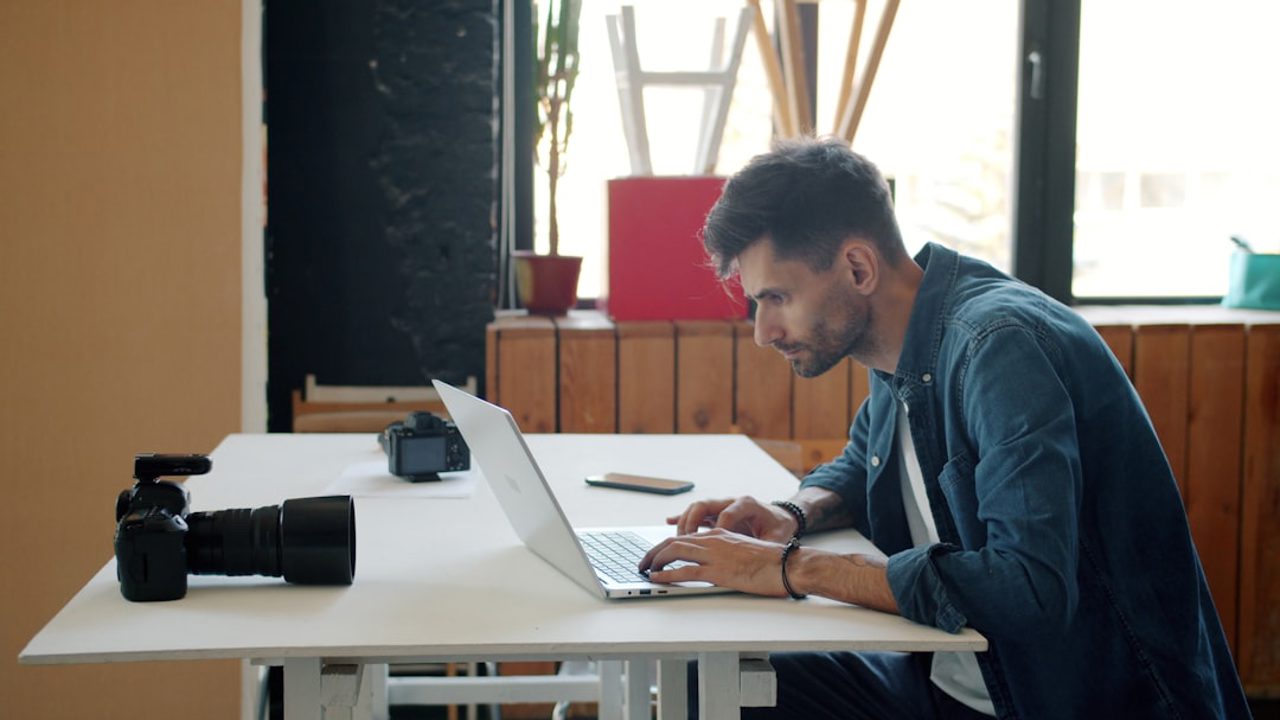
Sitting for long periods during the day is a very common habit, especially among desk workers. Over time, it may show itself with small clues such as the feeling that “my glute muscles aren’t engaging like they used to,” difficulty climbing stairs, or imbalance while walking. In some people, this can also be accompanied by a sense of discomfort around the hip and knee.
What is glute activation and why is it important?
Glute activation refers to the muscles in the back and side of the hip (especially the gluteus maximus and gluteus medius) being able to engage sufficiently during movement. These muscles can help keep the pelvis stable while walking, support hip extension, and promote more controlled knee alignment. When they work actively, they are more likely to help distribute the load more evenly throughout the body.
How can prolonged sitting reduce glute activation?
One reason prolonged sitting may reduce glute activation is that the hip stays in a constantly flexed position. When the hip joint remains in flexion for a long time, some muscle groups may feel as if they are shortening, while the muscles that drive the hip backward may lose their ability to “get ready to work.” This can set the stage for the lower back or the front of the thigh to become more dominant instead of using the hips when you stand up.
Another factor is that the neuromuscular connection (the “communication” between the brain and the muscle) is shaped by use habits. While sitting all day, the glute muscles work at a low level; in contrast, the hip flexors and the front of the thigh can become more “ready.” Over time, it may become harder to feel the glutes during movements like walking or squats, which can reinforce the impression that glute activation has been lost.
What might be felt in the knee and hip when glute activation decreases?
When the hip muscles don’t engage enough, load sharing can change. For example, when stepping or going down stairs, the lateral hip muscles help limit the pelvis from dropping to the side. When this support decreases, the alignment of the thigh bone and the knee may show a greater tendency to collapse inward in some people; the surrounding tissues of the knee may have to “take on more work,” increasing the feeling of discomfort.
The connection between knee pain and prolonged sitting is often indirect. Rather than sitting itself causing “damage” in the knee, it may contribute to the knee being stressed more during movement as hip and core stability decreases. Especially in activities such as running, fast walking, squats, and lunges, when hip control weakens, situations may arise in which sensitivity is felt around the kneecap or along the inner-outer line of the knee.
Relationship with lower back pain: compensation and load transfer
Reduced glute activation can sometimes also be reflected in the lower back area. When the pushing power the hips could provide is not sufficient, the lower back may compensate more. This can set the stage for symptoms such as stiffness in the lower back at the end of long days, a feeling of pinching in the hip, or one-sided tightness; of course, this may not be the cause of every case of low back pain.
Practical ways to support glute activation and when to consult a professional?

One practical way to manage this in a supportive manner is to break up sitting time. Instead of sitting uninterrupted for long periods, sprinkling the day with short stand-up breaks, a few steps of walking, and small pauses that gently move the hips can help. The goal is to “wake up” the hips throughout the day and reduce the time spent in a single position.
To start feeling the glute muscles again, low-intensity, control-focused movements can also be useful. For example, learning to squeeze the glutes, simple hip extensions like a glute bridge, light band walks targeting the lateral hip muscles, or single-leg balance work may strengthen the connection for some people. The key point here is to focus on initiating the movement from the hips rather than the lower back, and not to push past the pain limit.

Daily posture and work setup can also be reviewed. Details such as chair height, monitor position, feet contacting the floor, and lumbar support can contribute to the hips and core taking load in a more balanced way. In addition, habits during the day such as walking uphill, using stairs, or taking short walks can support the hip muscles engaging more regularly.
If hip and knee pain lasts a long time, or if it is accompanied by findings such as noticeable swelling, locking, pain that wakes you at night, or numbness in the leg, consulting a professional can be a good step. Because similar complaints can also arise for different reasons, and the appropriate approach can vary from person to person.
In summary, sitting for long periods may contribute to the hip muscles feeling “inactive” and to the load shifting more toward areas such as the knees or lower back during movement. Regular movement breaks, simple activation exercises targeting the hips, and improving ergonomics can make a supportive difference for most people. With small but sustainable changes, bringing the hips back online is usually a more realistic and manageable path.