Travel changes routines and also places the body and mind into different conditions. With flight times, hotel schedules, and eating out options, “staying in shape” can sometimes seem like a goal that’s hard to control. Still, with a few practical strategies, it may be possible to make more balanced choices without sacrificing enjoyment.
Identifying the Variable Points in Advance When Planning a Trip
The foundation of the plan is noticing the most variable points of the journey in advance. For example, situations like long meetings, layovers, or late arrivals can increase hunger and fatigue. If you anticipate these moments and adopt a flexible approach, you can recover more easily at critical times rather than managing the entire day perfectly.
Water Intake on Flight Days and Eating Routine on the Plane
One of the most challenging issues on flight days is dehydration. Since cabin air can be drier, some people may experience increased dry mouth and a feeling of bloating. Carrying an empty water bottle and filling it after security can be supportive for getting through the day with small sips spread out over time.
Eating patterns on the plane can get even more confusing with time shifts. Not getting too hungry before the flight can help reduce last-minute snacking on junk food. During the flight, instead of automatically finishing the entire portion, moving forward based on your actual hunger level and slowing down your eating may offer a more balanced approach.

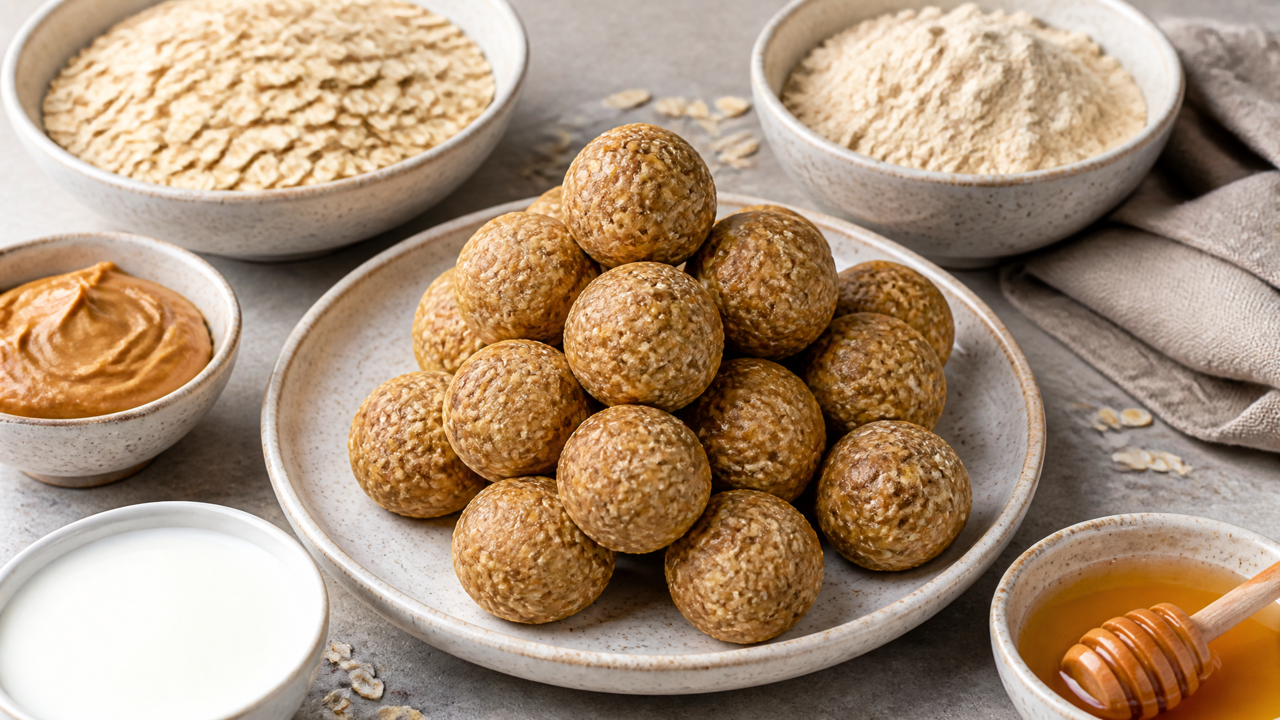
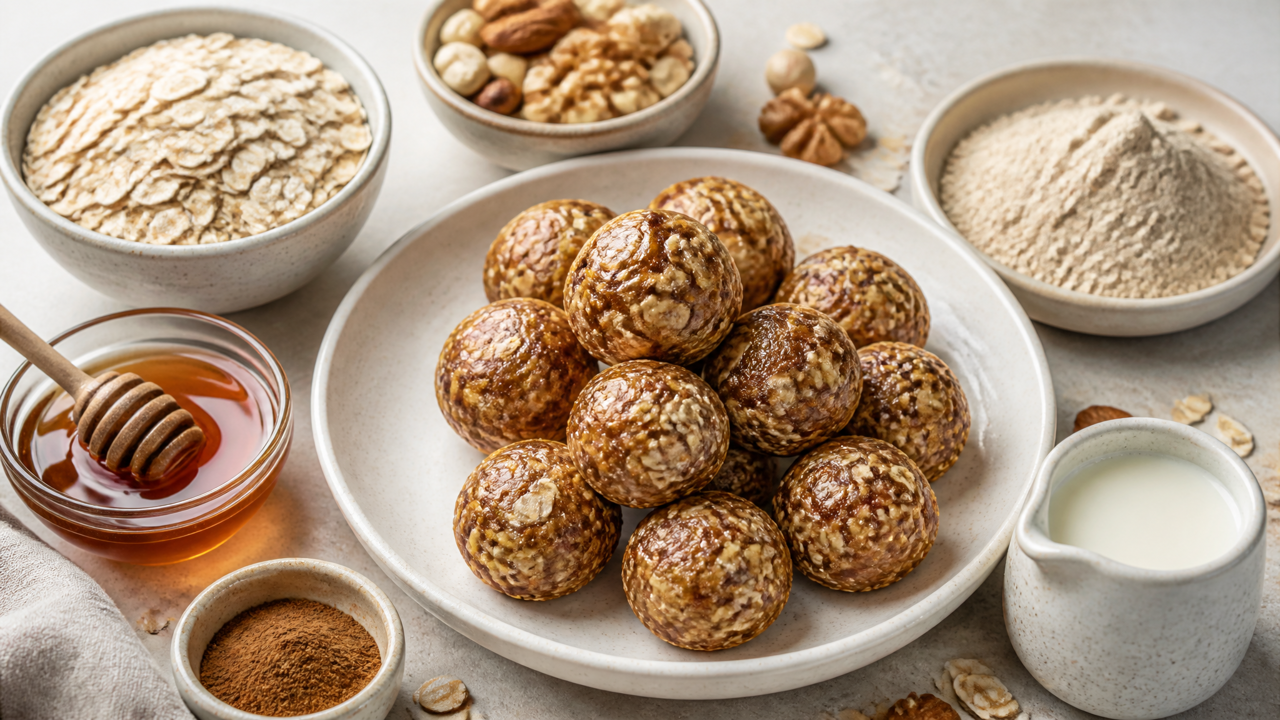
Snack choice is one of the “hidden” determinants of travel. Portable, relatively filling options (for example plain nuts, unsweetened yogurt if available, fresh fruit, or a whole-grain sandwich) can soften sudden waves of hunger for some people. The aim here may be less about creating a perfect menu and more about keeping a better alternative on hand during the moments that throw you off track the most.
Staying Active While Traveling: Mini Walks and Short Exercise Routines
Rather than thinking of movement entirely as “exercise,” breaking it into small opportunities is usually more sustainable. A short walk in the terminal before the flight, using the stairs when possible, or doing a few minutes of stretching after sitting for a long time can support the feeling of circulation. These mini movements can contribute to feeling good, especially on intense travel days.
When you arrive at the hotel, making the environment suit you as your first task can make things easier. Small arrangements like keeping water in a visible place in the room, gathering healthy snacks in a single drawer, or leaving your trainers near the door can help reduce decision fatigue. This way, you can shift from the question “what should I do” to the flow of “doing what’s already prepared.”
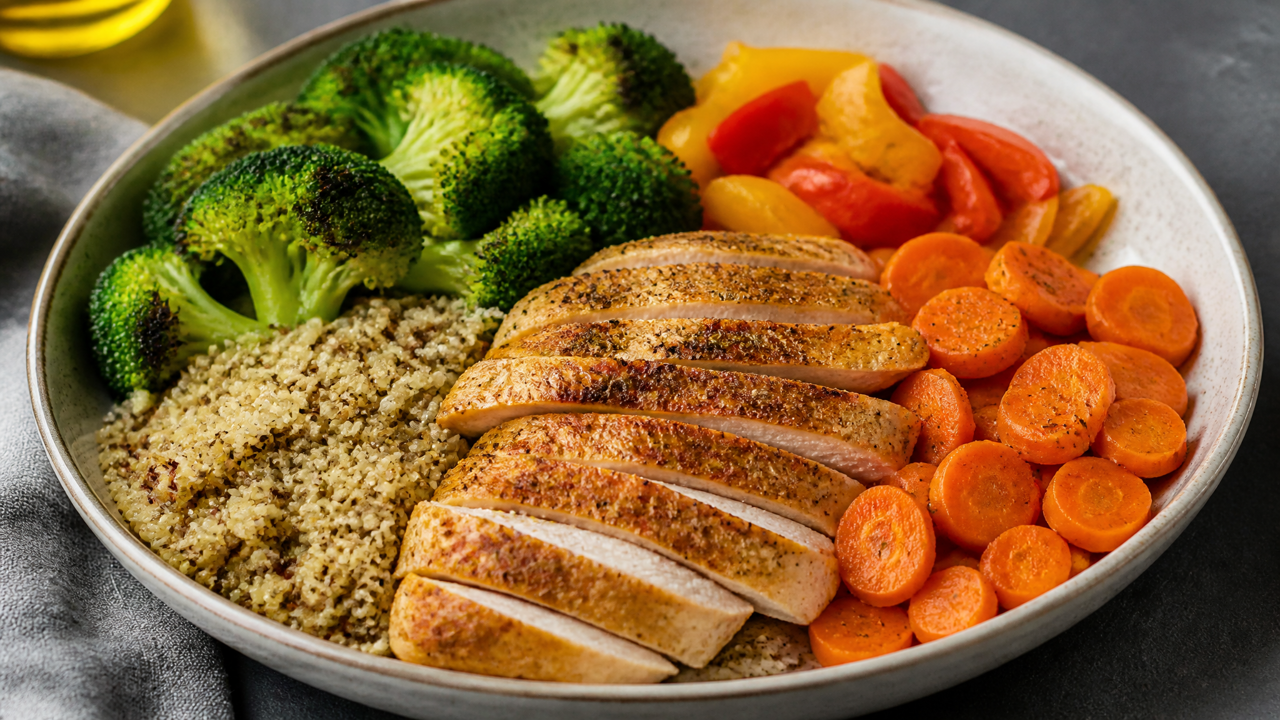
Hotel breakfast can be both an advantage and a trap because of the variety. For some people, the best method is to keep the plate simple with two or three main components: a protein source, a fiber-rich option, and something like vegetables/fruit alongside. This approach can help both with staying full for longer and making steadier choices for the rest of the day.
For those who want to work out in the hotel room, keeping the goal small may be more realistic. A short mobility routine, a few basic bodyweight moves, or a 10–15 minute brisk walk can provide a better foundation than “doing nothing.” Focusing on consistency rather than duration may seem more doable at a travel pace.
Managing Portions, Ordering, and Alcohol When Eating Out

Staying in shape while eating out is often about managing your order. Cooking methods like grilled, baked, or steamed can feel lighter; asking for sauces on the side can make portion control easier. Also, setting a limit as soon as starters like bread or chips arrive at the table may work for some people to reduce automatic eating.
When portions are large, the “pack half to go” approach can offer a practical balance. Eating more slowly in the first bites can make it easier to notice fullness signals. For dessert or drink choices, instead of banning them completely, sharing, choosing a small size, or being satisfied with a few bites can support balance while preserving enjoyment.
When it comes to alcohol consumption, setting a rhythm may be a more manageable method for some people. Alternating with water, stretching the drink out by sipping, or balancing the rest of the day with lighter options can help you feel better the next day. The goal here can be thought of as finding a controlled line without disconnecting from the social setting.
Jet Lag, Sleep Routine, and a Sustainable Approach to Staying in Shape
Jet lag and late arrivals can affect appetite and energy. When possible, getting daylight, reducing screen time before sleep, and avoiding heavy eating late in the evening may support sleep quality for some people. When sleep is more regular, making more consistent choices the next day generally becomes easier.
What makes this plan sustainable is not the goal of “perfect travel,” but improving the average with small adjustments. When water and light movement on the flight, a simple routine at the hotel, and smart ordering and portion approaches when eating out come together, staying in shape can become more accessible. Choosing the steps that suit you and testing them over a few trips to build a personal system can help you find the most practical way over time.