
Ozempic and similar medications can support the weight management process by reducing appetite and helping decrease the amount of food eaten. However, when appetite decreases, meals may become smaller, some food groups may be consumed less, and this can sometimes make it difficult to preserve muscle mass. Therefore, the goal may be not only to lower the number on the scale, but also to make room for preserving muscle tissue while supporting fat loss as much as possible.
Why Can Muscle Loss Occur While Losing Weight with Ozempic?
During periods of weight loss, muscle loss is most often associated with a significant reduction in total energy intake and insufficient protein. When less food is eaten throughout the day, the body may not always be able to easily find the building blocks it needs; if inactivity is added to this, it can become harder to preserve muscle tissue. For this reason, it may help to move nutrition away from the “I eat little, so there’s no problem” approach and toward “if I’m eating less, I need to be more selective.”
How Should Protein Intake Be Planned to Preserve Muscle Mass?
Protein is a key macronutrient that can support the preservation of muscle tissue; it can also improve meal quality during periods of reduced appetite because it may make it easier to feel full for longer. Still, there is no single “correct” amount of protein that is the same for everyone; it can vary depending on factors such as age, activity level, current muscle mass, total daily energy intake, and personal tolerance. Therefore, the goal can be thought of as maintaining regular protein intake throughout the day so as not to “leave the muscles without nutrients.”
For many people, a practical strategy is to spread protein across the day. Instead of getting high protein in a single meal and skipping other meals, it may be more sustainable to include protein-containing options at breakfast, lunch, and dinner, and if needed in a small snack. When appetite is low, it’s also possible to get protein with small portions; what matters is providing a cumulative contribution over the entire day.
A “protein first” approach when building a meal may work for some people. Putting the protein source on the plate first, then balancing it with high-fiber options such as vegetables and whole grains, can both increase nutrient density and help the meal stay more satisfying even when the total portion becomes smaller. This method can reduce inadequate protein intake that may result especially in those who get full quickly from the “bread/pasta first, then protein” order.

Variety in protein sources can both support micronutrient intake and reduce the boredom that comes with eating the same foods. Eggs, yogurt/kefir, dairy products such as cheese, fish and lean meats, legumes, and plant-based alternatives such as tofu/tempeh can meet different needs. For those who prefer plant sources, pairing legumes with grains (for example, lentils and bulgur) can help improve protein quality.
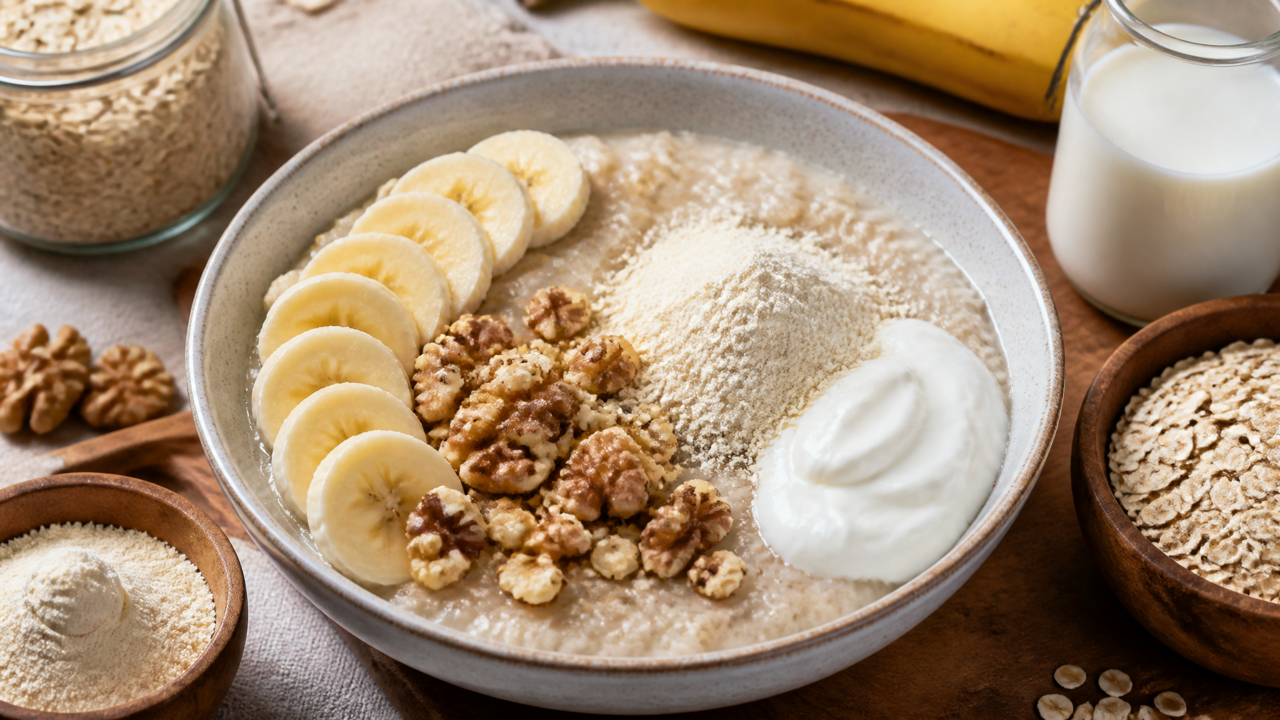
During periods when appetite decreases, “small high-protein touches” can also be valuable. Small changes such as adding some nuts to yogurt, adding cheese or legumes on top of a salad, or enriching soup with yogurt or dried legumes can raise protein without increasing the portion size. In this way, the meal’s nutritional value can be strengthened without increasing the amount of food.
Ways to Reduce Muscle Loss with Resistance Exercise
On the muscle-loss prevention side, strength-focused movement can play a role as much as protein. Regular resistance exercises (such as bodyweight workouts appropriate to the person’s level, band exercises, or weight training) can support preservation by giving a “use” signal to muscle tissue. Just walking is also valuable; however, if the goal is to preserve muscle, adding basic strength training spread across the week may yield better results for some people.
Maintaining Nutrition When Appetite Decreases and Side Effects Are Present
Ozempic-like medications can cause nausea, early satiety, a feeling of reflux, or aversion to certain foods in some people. At such times, instead of very fatty, very spicy, or large-portion meals, smaller and more frequent meals; well-cooked, plain, and easy-to-digest options may be tolerated more comfortably. To keep protein targets, lighter alternatives such as yogurt, eggs, legumes alongside soup, and fish can be preferred instead of heavy meat dishes.

Fluid intake and fiber balance can also affect the process. Drinking enough water and including sources such as fibrous vegetables and whole grains in moderation can help reduce complaints like constipation in some people. Still, in periods when appetite is very low, suddenly increasing fiber too much can cause discomfort; therefore, progressing gradually and monitoring the body’s signals may feel better.
Sleep and stress management can indirectly support the goal of preserving muscle while losing weight. Insufficient sleep can make recovery harder for some people, reduce exercise motivation, and affect food choices during the day. Methods such as a simple sleep routine, brief breathing exercises during the day, or regular walking can contribute to increasing sustainability in the process.
In this process, tracking body composition as well as the scale can also provide insight. Waist circumference measurement, how clothes fit, strength levels in training, or measurements taken at regular intervals can provide clues as to whether the loss may be coming more from fat or from muscle tissue. If strength is clearly declining, fatigue is increasing, and protein intake remains low, it may be useful to review the nutrition plan.
In summary, while weight management continues with Ozempic and similar medications, an approach aimed at reducing muscle loss can be shaped around sufficient protein spread throughout the day, balanced meal structure, increasing nutrient density with tolerated foods, and regular resistance exercise. Because personal needs can vary greatly, especially if appetite decreases a lot or there are significant nutrition difficulties, proceeding together with a physician and a dietitian can help create a safer and more comfortable plan.