
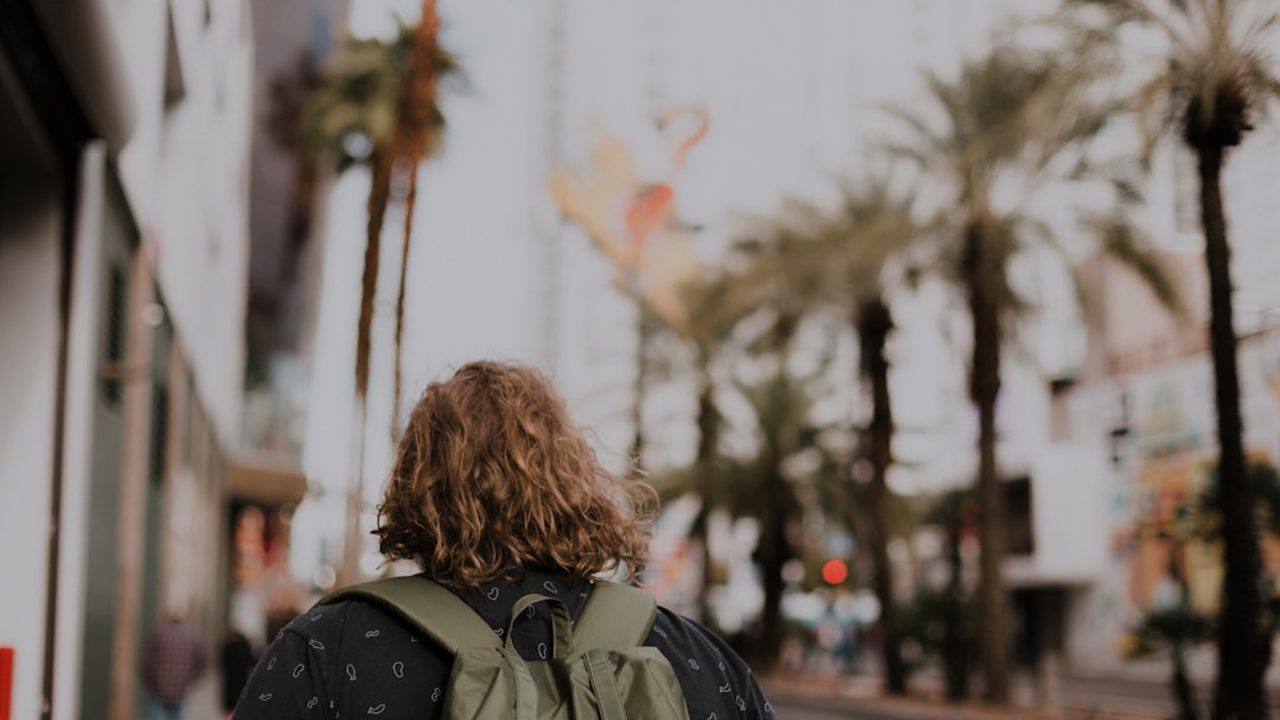
Carrying a backpack during the day offers a very practical solution at school, at work, or in city life. Still, how the load is transferred to the body can affect a chain extending from the shoulders to the waist and hips. Since small-seeming habits can change posture over time, not only “how heavy” you carry the bag but also “how” you carry it becomes important.
How does a backpack affect posture? The biomechanical basics
From a biomechanical perspective, a backpack pulls the center of mass backward; to balance this, the body sometimes tries to compensate by leaning the trunk forward or increasing the lumbar arch. When these compensatory movements become frequent, tension can increase in the muscles around the neck and shoulders, and the lower back may also take on more load. This effect may be felt more clearly especially during long walks or when climbing stairs.
Strategies to reduce backpack weight and balance the load
The total weight of the backpack is one of the most fundamental factors affecting carrying comfort. In daily use, reducing unnecessary items, carrying heavy pieces like a laptop only when needed, and spreading weights like a water bottle across the day can noticeably reduce the sense of load for some people. If reducing weight isn’t possible, distributing the load more evenly becomes the next important step.
Carrying the backpack with two straps can provide more symmetrical support to the shoulder girdle by reducing the load piling up on one side. With the habit of carrying it with a single strap, the torso generally tilts toward the opposite side; this can force the muscles on the side of the lower back to work harder. Even switching shoulders from time to time can help, but in most cases switching to two straps is seen as a more balanced option.
Strap adjustment determines how “close to the body” the backpack is carried. When the backpack hangs too low, the lever arm lengthens and the pulling sensation in the lower back and shoulders may increase; when it sits too high, pressure on the shoulders may tend to increase. In general, having the backpack closer to the middle of the back, in a position that hugs the body more, can support comfort by reducing swaying during movement.
Models with a chest (sternum) strap and a hip belt can help take some of the load off the shoulders and spread it over a wider area of the torso. The hip belt, especially during prolonged carrying, can engage the area around the hips and reduce the “hanging” feeling on the shoulders. Setting the straps too tight may affect breathing and freedom of movement, so aiming for a balanced tightness may be more practical.
Internal bag organization and strap choice: carrying close to the back and reducing pressure
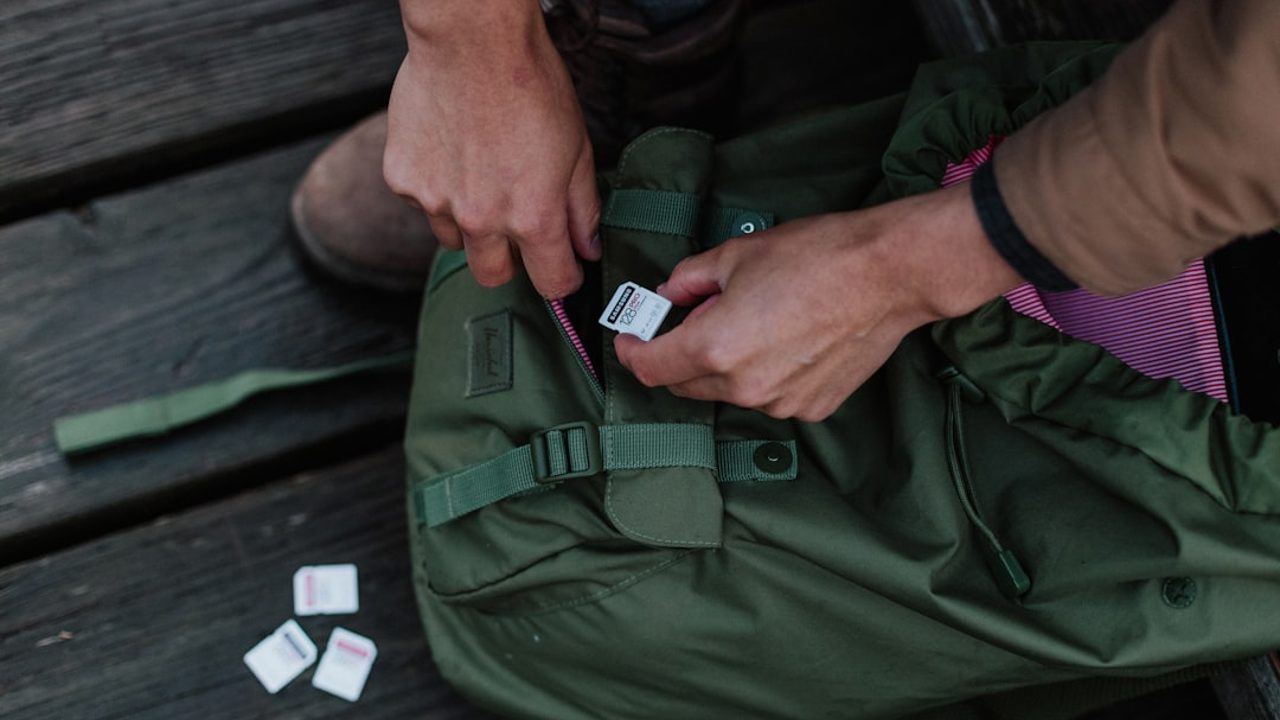
The internal organization of the backpack directly affects the center of mass. Placing heavier items close to the back and, if possible, in the mid-to-upper area can reduce the load moving away from the torso and creating a lever effect on the lower back. Instead of piling small items into the outermost pockets, putting frequently used ones in accessible but balanced spots can also help prevent the backpack from pulling to the right or left.
For people experiencing shoulder pain, the issue may sometimes be related not only to weight but also to the pressure the straps apply on the top of the shoulder. Wider, softly padded straps can spread pressure by increasing the contact area. When signs such as the straps rubbing at the base of the neck or numbness/tingling in the arm are noticed, it may be helpful to review the adjustment and the way you carry it.
Walking, lifting techniques, and daily habits to reduce pain
From the standpoint of lower back pain, leaning the torso forward and bracing the lower back more than necessary while carrying a load for a long time can be tiring. Softening your step rhythm while walking, keeping the abdomen and hips lightly active, and taking short breaks to relax the shoulders can provide relief for some people. Taking the backpack off, taking a few deep breaths, and gently straightening the torso can also create small but effective pauses during the day.
Hip pain or a feeling of tightness around the hips can sometimes be associated with the load being shifted to one side during carrying. Carrying the backpack on one shoulder or “leaning” the weight to one side while walking can cause the stabilizing muscles around the hips to work harder. Using two straps, positioning the hip belt correctly, and trying to keep your steps symmetrical while walking can help balance this loading.
Another common issue in daily life is how you lift the backpack from the ground. Instead of picking it up in one motion by bending at the waist, bending the knees slightly and standing up while keeping the load close to the body can reduce the sudden load on the lower back. When putting the backpack on, turning to face the bag rather than twisting the torso can also provide a more controlled movement.
Muscular endurance and mobility are complementary factors that affect adaptation to carrying loads. Regular, low-to-moderate intensity exercises aimed at strengthening the muscles that support the torso, the area around the hips, and the upper back can increase carrying comfort for some people. Likewise, stretching work aimed at reducing tightness in the chest muscles, hip flexors, and hamstrings can contribute to maintaining posture more comfortably.
Shoe choice can also affect how the forces that occur while walking with a backpack are transmitted through the body. Very stiff soles or soles with insufficient support can increase impact for some people, triggering discomfort around the lower back and hips. For daily use, choosing shoes that fit the foot and have balanced soles can provide a more stable ground feel while carrying loads.
When should you see a doctor? Warning signs and getting support
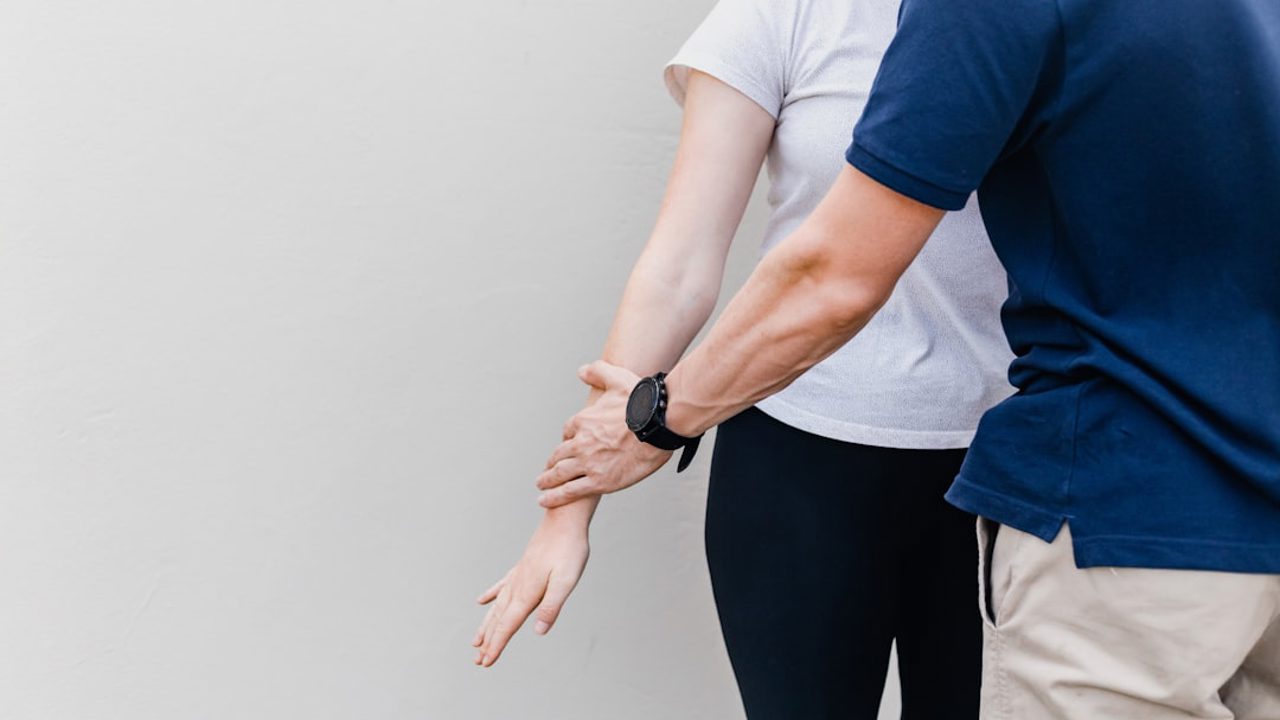
Knowing when to seek support is also important. In cases where pain gradually increases, affects night sleep, is accompanied by marked numbness/tingling, or limits daily movements, getting an evaluation from a healthcare professional may be a more appropriate approach. This way, factors that may be related to the backpack and other causes can be addressed together.
Carrying daily loads with a backpack can be made more comfortable with correct adjustments and small habit changes. Reducing the weight, positioning the load close to the back, carrying it evenly with two straps, and taking breaks to rest the body can help reduce strain on the shoulders, lower back, and hips. Following the signals your body gives and adapting your carrying routine accordingly can provide more sustainable use in the long term.