
Although getting distracted easily during the day may seem like merely a matter of “willpower” for many people, it may actually be closely related to environment, habits, and mental load. While the Pomodoro technique offers a popular starting point in this regard, it may not fit everyone’s work pace. Therefore, developing different focus rituals that can support a deep work habit may provide a more sustainable approach.
Transitioning to Deep Work by Lowering the Starting Threshold
One of the most important factors that makes deep work easier is lowering the “starting threshold.” If it feels hard to sit down to a task, shrinking the first step rather than enlarging the goal can help. For example, low-resistance starts such as simply opening the file, writing the title, or composing the first sentence can make it easier for the mind to switch into “we’re working now” mode.
Focus Rituals: Creating Conditions and the Power of Repetition
Focus rituals are often based less on timing and more on creating conditions. Working at the same desk, in similar lighting, with a similar drink, or after a short preparation routine can help the brain recognize the context. After a while, these repetitions can become automatic and support you in getting into work “without spending extra energy to start.”
Managing distractions can become a more fundamental need than the pursuit of efficiency. Small adjustments such as silencing notifications, leaving the phone in another room, or keeping only the necessary tabs open in the browser can help extend focus time. The aim here is not perfect discipline, but to set up a simple system that reduces unnecessary fragmentation of attention.
For deep work to be sustainable, it is also important to take into account how mental energy fluctuates throughout the day. While some people feel clearer in the morning, others may pull themselves together in the afternoon. Observing the window when you feel most alert and scheduling more difficult tasks for those times can reduce the sense of effort and make focus more accessible.
Time Blocking Beyond Pomodoro and Single-Chunk Attention
A time-blocking approach beyond Pomodoro aims for “single-chunk attention” rather than “short sprints.” For example, a 60–90-minute work block followed by a longer break may result in less fragmentation for some people. The critical point here is not to apply the block length like a rule, but to track when your attention drops and adjust flexibly.
Mind Dumping and Planning Ahead for Stuck Moments
Another ritual can be a short “mind dump” step before starting work. Writing down small tasks that are nagging at you on paper, making a note for later in the day, or creating a “not now” list can reduce the mind’s constant background reminders. This can make it easier to create space for a single task.
Making a plan in advance for moments of getting stuck during deep work can reduce loss of focus. For example, setting a rule like “struggle for 10 minutes; if it’s not moving forward, redefine the problem” or “write it down and keep going” can limit the tendency to turn to escapes like social media when you’re stuck. This approach can also help balance rising stress to some extent while preserving workflow.
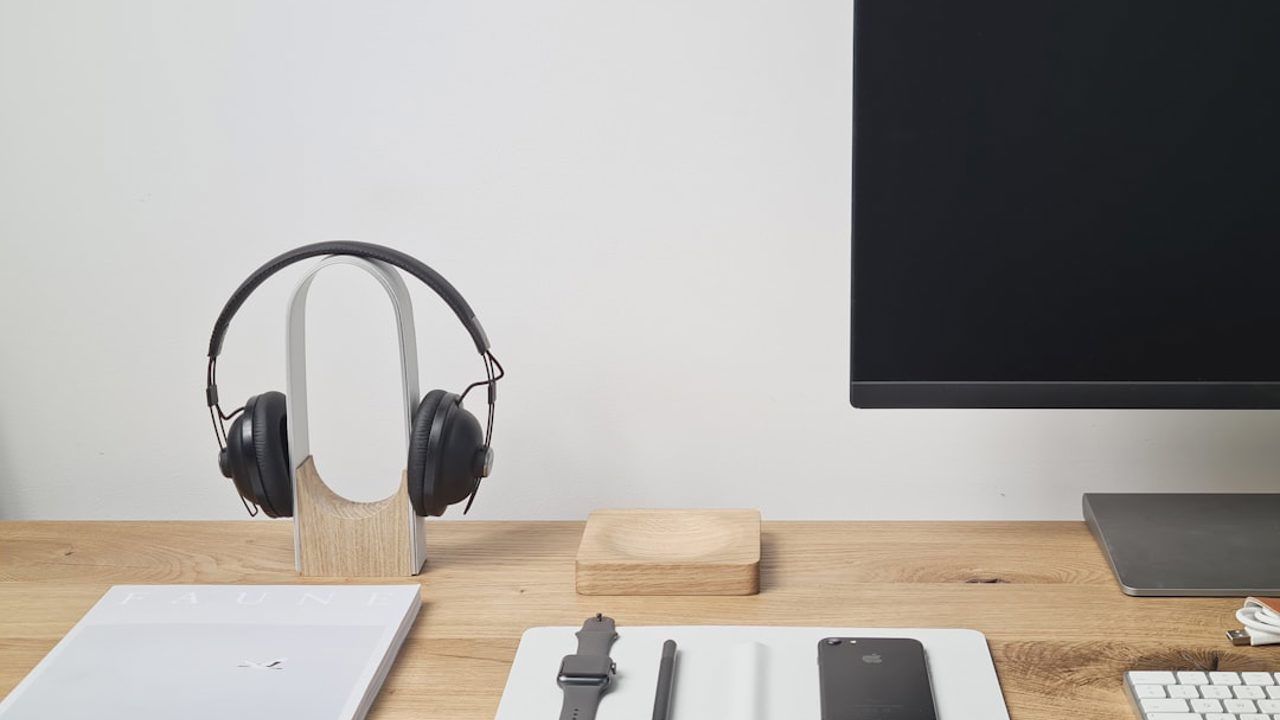
Environmental cues can affect focus more than you might think. Leaving only the materials related to the current task on the desk, removing out-of-focus items, or listening to a specific work playlist only during deep work can reinforce the message that “there’s only one job right now.” Such simple adjustments can be supportive, especially on days when you’re prone to distraction.
Ending the Ritual, Closing, and Output-Focused Evaluation
Just as focus rituals matter, it is also useful to mark that the ritual is over. When a work block is completed, doing a brief closing—such as noting the next step, organizing files, tidying the desk—can lower the starting threshold again the next day. It can also reduce carrying mental load through the rest of the day because it makes it easier to step out of a “work mindset.”
As a deep work habit develops, it may be more realistic to evaluate progress not only by time but by productive output. Concrete outputs such as finishing a draft of a section, producing two pages of reading notes, or rewriting a problem from a different angle can feed motivation. Even if time fluctuates, tracking output makes it easier to see whether the ritual is working.
In conclusion, Pomodoro is only one of the focus tools; deep work may be more of a practice shaped by personal rhythm and environment design. A small starting routine, simple rules that reduce distractions, and planning aligned with your daily energy window can support a deeper work habit over time. Choosing the pieces that suit you and moving forward through trial and error for a few weeks can make this process feel more natural and sustainable.