Nutrition before and after exercise is an important detail that can affect how the workout goes and how quickly the body recovers afterward. The goal here is usually twofold: to use energy more steadily during exercise and to support muscle repair and fluid-mineral balance afterward. Still, since everyone’s digestive system, training type, and daily routine are different, the best approach is often to find what suits you through small trials.
Basic Principles of Pre-Workout Nutrition
The main goal of a pre-workout meal is to create a balance that can provide fuel without burdening the stomach. While carbohydrates offer usable energy during training, a bit of protein can also help you stay full longer. Since very fatty and very high-fiber options can cause bloating or a feeling of heaviness in some people, simpler plates may be preferred, especially in the hours close to training.
Pre-Workout Timing: The 2–3 Hour and 30–60 Minute Rule
How much time is left until training is a practical measure for deciding “how much and what type” of food to eat. While a more filling main meal 2–3 hours before exercise is well tolerated by most people, a smaller snack 30–60 minutes beforehand may feel more comfortable. If you work out early in the morning, choosing a small, quickly digestible snack instead of a full meal may support performance for some people.

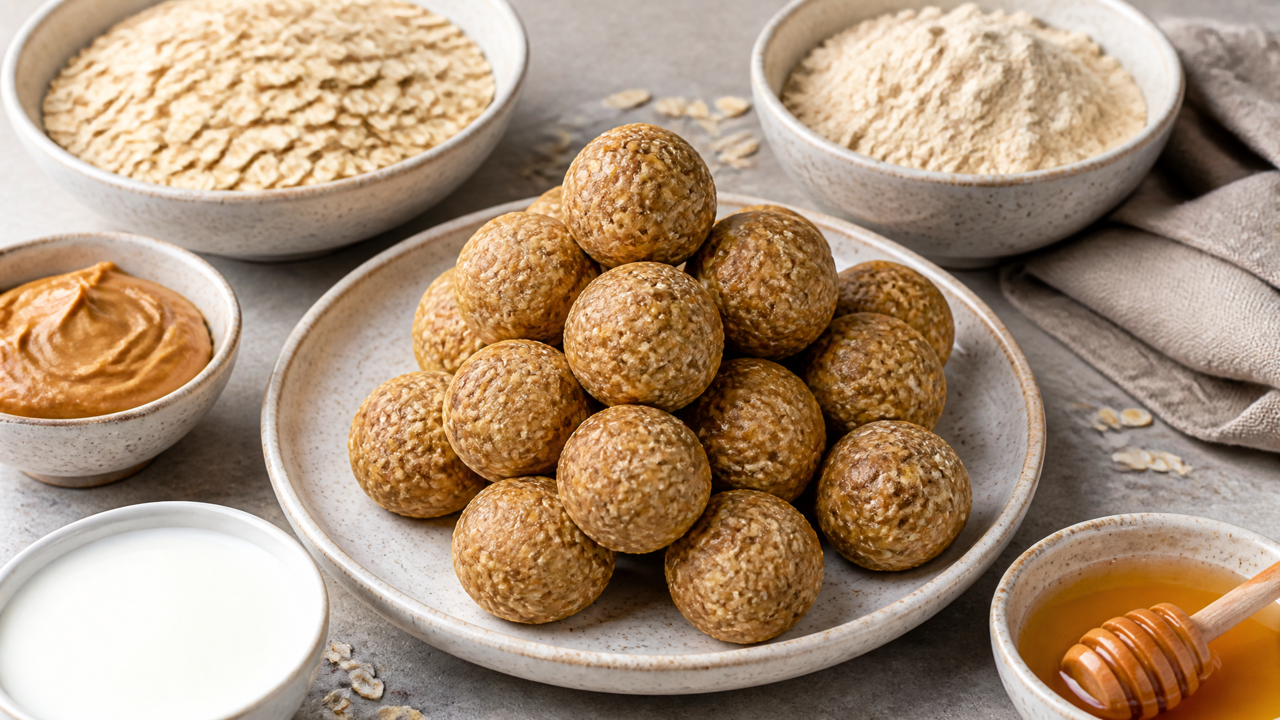
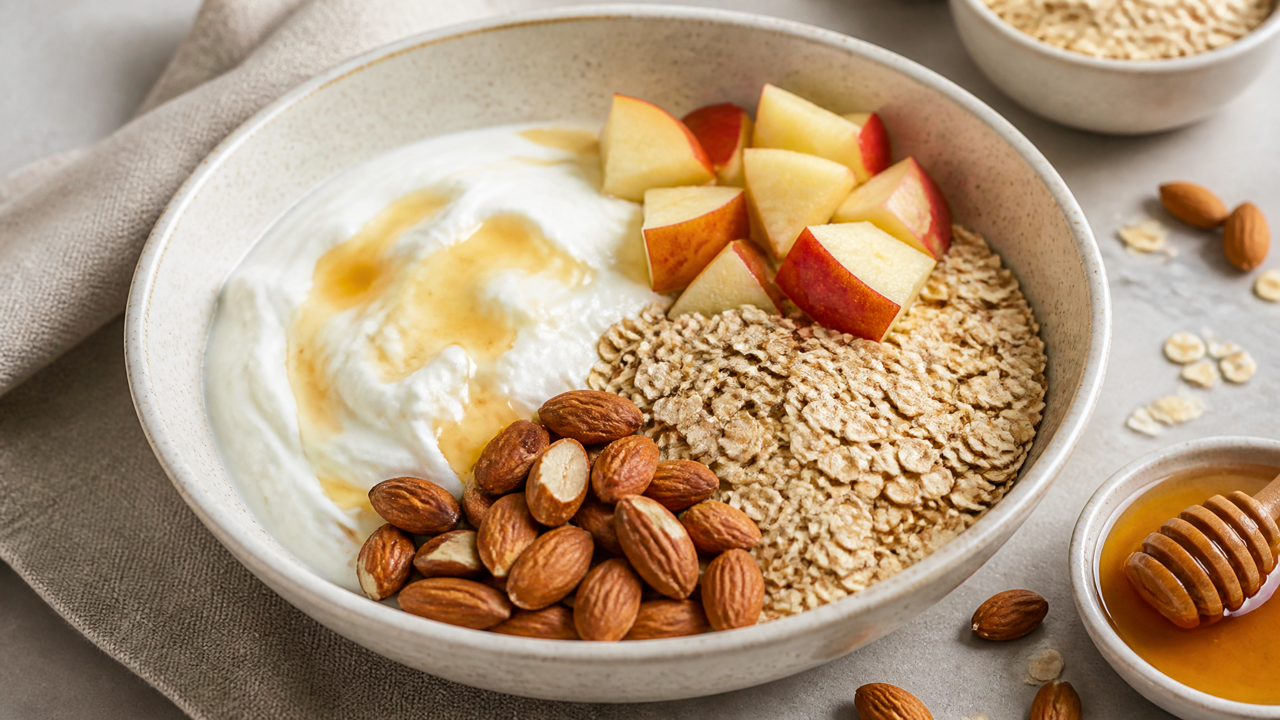
In practical pre-workout options, carbohydrates usually take center stage. Banana and yogurt, a light bowl prepared with oats, whole-wheat toast with cheese, or simple combinations like honey and milk can be preferred. For those with more sensitive stomachs, lower-fiber alternatives such as a small sandwich made with white bread or peanut butter on rice cakes may also work.
Post-Workout Nutrition: Recovery and Muscle Repair
In post-exercise nutrition, the focus is to support recovery and feel more ready for the next workout. In this process, protein can support muscle protein synthesis; carbohydrates can help replenish depleted energy stores. Especially after intense or long-duration workouts, consuming carbohydrates along with protein rather than taking only protein may provide a better sense of recovery for some people.
Although the topic of “timing” after training is discussed a lot, the overall dietary pattern for the day is often more decisive. Still, rather than consuming nothing for a long time right after finishing exercise, planning a light meal within a short time can be practically advantageous. If the trip home is long, a snack that can be put in your bag can help you set up the main meal more regularly afterward.
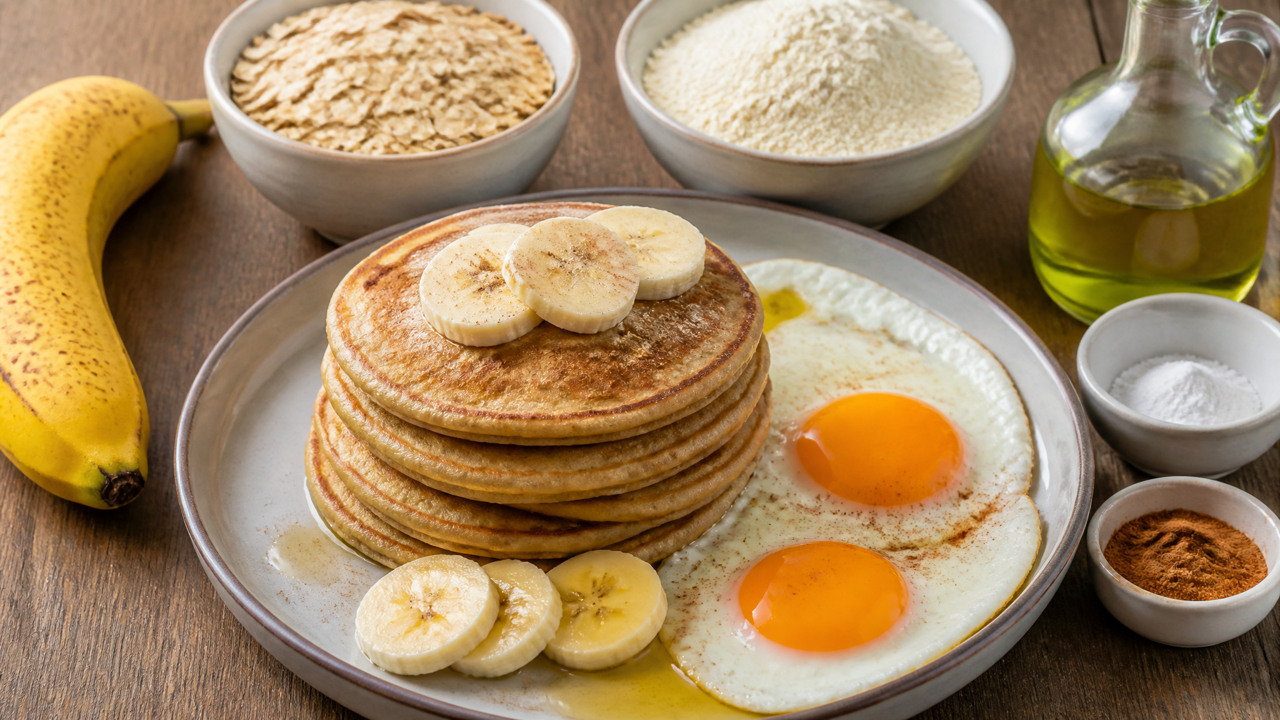
When choosing post-workout protein sources, the aim is to find alternatives that can be easily integrated into daily eating. Eggs, yogurt-kefir, cheese, chicken-turkey, fish, lean red meat, and legumes can be considered here. For those who eat plant-based, pairing options like lentils, chickpeas, and tofu with grains can help improve protein quality.
On the carbohydrate side, adjusting the portion according to training intensity is useful. Rice, pasta, potatoes, oats, bread, and fruits are easy-to-apply options. Adding vegetables for a more balanced plate can both increase vitamin-mineral intake and make the meal more filling.
Fluid and Mineral Balance: How Should Water Intake Be?
Fluid intake is an often-overlooked element for performance and recovery, yet its effect can be noticeable. As sweating increases with exercise, the need for water also rises; in addition, minerals such as sodium and potassium may be lost. Plain water may be sufficient for most workouts, but after long and intense exercise, options like ayran or mineral water may support balance for some people; still, since personal needs can vary, it is important to monitor your body’s signals.
To support muscle repair, not only protein but also overall diet quality matters. Adequate sleep, protein intake spread throughout the day, a variety of vegetables and fruits, and healthy fats can contribute to recovery. Especially eating very low-calorie diets can negatively affect training efficiency and the feeling of recovery in some people, so establishing a balanced plan suitable for the goal may be more sustainable.
Easy Menu Suggestions and Personalization Tips
Easy-to-apply menus before and after exercise speed up decision-making. Light options for pre-workout such as “oats + yogurt + banana” or “cheese toast + tomato”; balanced plates for post-workout such as “rice with chicken + salad,” “omelet with eggs and vegetables + bread,” “lentil stew + bulgur pilaf + yogurt” provide a practical framework. For those with little time, a fruity smoothie made with milk or yogurt may also work.
In this process, the best result often comes from making small adjustments according to the type and time of training. Noting foods that upset your stomach, gradually changing portions, and tracking water intake can help you build your own routine. If you have a specific health condition, food intolerance, or need a goal-oriented plan, consulting a nutrition specialist for personalized recommendations may be beneficial.