
What Is Post-Workout Recovery? Nutrition, Hydration, and Sleep Strategies
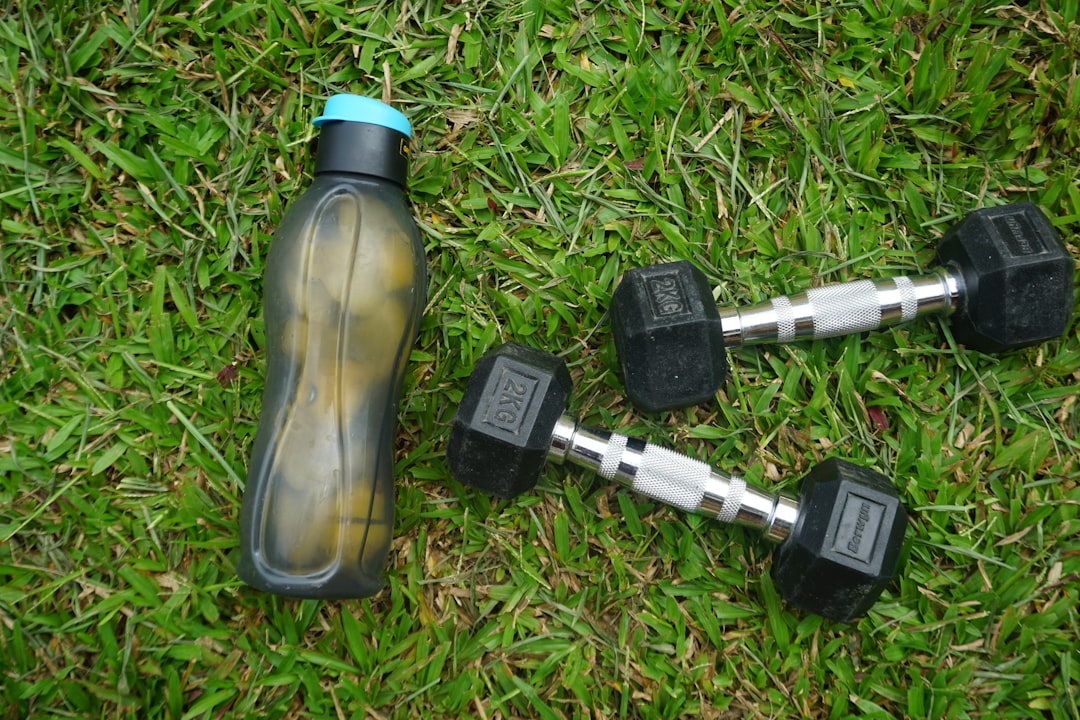
Feeling good after an intense workout is not only about “how hard you worked,” but also about how you support your body afterward. Recovery includes many processes such as muscles repairing themselves, energy stores being replenished, and the nervous system calming down. It may be possible to manage these processes more comfortably with basic habits like nutrition, fluid intake, and sleep.
Post-Workout Energy Replenishment: Carbohydrate Options
One of the first goals after exercise is to help restore the energy used during training. Especially after endurance or long-lasting sessions, a meal or snack containing carbohydrates can support the replenishment of glycogen stores. Options such as whole grains, potatoes, fruits, or legumes can provide a suitable framework depending on the intensity and duration of the workout.
Protein for Muscle Recovery: When and What to Eat?
Protein intake is also seen as an important part of muscle tissue recovery. Choosing protein-containing foods in the hours after exercise can support muscle protein synthesis. Sources such as eggs, yogurt-kefir, cheese, fish, chicken, meat, tofu, or legumes can be adapted to one’s personal eating style.
Thinking about carbohydrates and protein together can, in practice, create a more sustainable recovery routine. For example, combinations like yogurt and fruit, chicken and rice, a lentil dish with whole-grain bread, or a cheese sandwich can support both energy and building-block needs. Here, rather than the “perfect” option, establishing a consistent and accessible plan is usually more functional.
How to Maintain Fluid and Electrolyte Balance After Exercise?
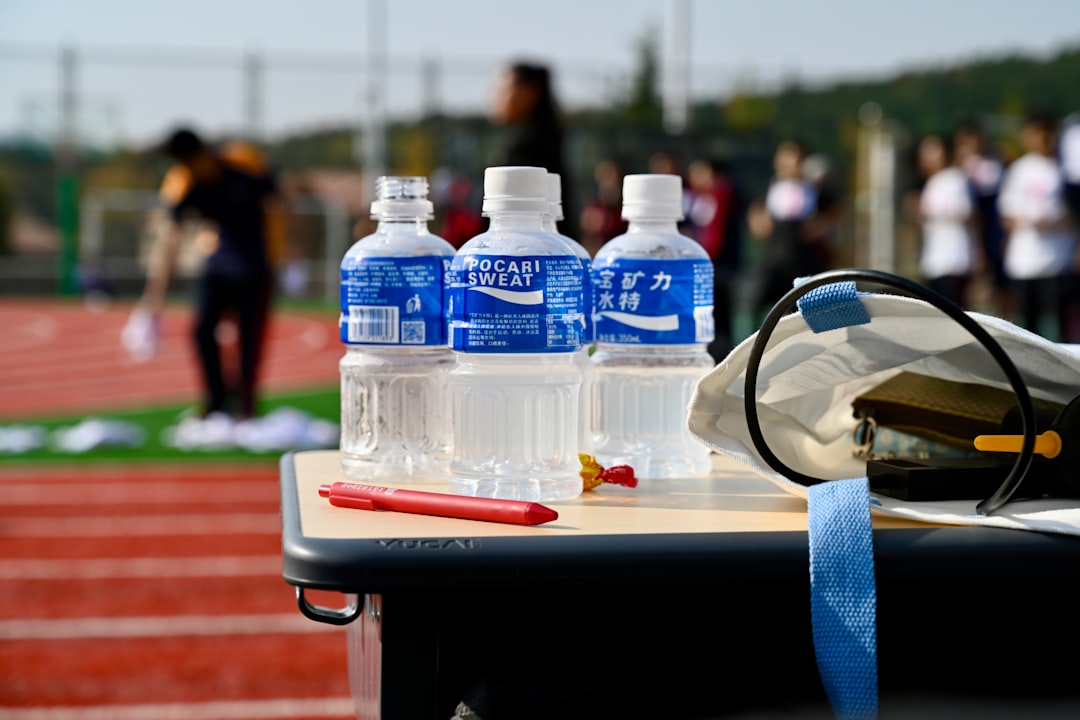
The topic of fluids after training may not be limited to just drinking water. Along with the fluid lost through sweat, electrolytes such as sodium can also decrease; in some people this may show up as feelings like headache, fatigue, or reduced performance. In addition to water, ayran, mineral water, or drinks containing electrolytes can be supportive in some scenarios; especially in hot weather and heavy sweating, the options may expand.
Simple observations can help personalize fluid needs. Very dark urine, dry mouth, or a rapid post-workout heart rate that doesn’t come down for a long time can be among the signals that may indicate insufficient fluid intake. However, instead of consuming excessive fluids in a short time, an approach spread throughout the day can help restore balance without straining the stomach.
Micronutrients and Meal Timing That Support Recovery
During the recovery period, micronutrients and overall meal quality can also have an indirect effect. Vegetables and fruits can support coping with the physiological stress that occurs after exercise by providing variety in antioxidant compounds, vitamins, and minerals. Healthy fat sources such as olive oil, avocado, nuts, and seeds can also be considered as part of a balanced plate.
Sometimes the issue is related not so much to what you eat, but to when and how much you eat. While a heavy meal very late can reduce sleep quality in some people, staying hungry for a long time after exercise can also increase nighttime awakenings or next-day fatigue. Choosing a relatively easy-to-digest option that fits your training time and adjusting the portion to your personal tolerance can contribute to a more comfortable night.
Sleep and Active Recovery: A Sustainable Routine for Performance

Sleep stands out as one of the strongest components of recovery because processes such as growth hormone release, tissue repair, and immune balance are closely related to sleep. Sleep quality is as important as sleep duration; frequently interrupted sleep or a routine that shifts to late hours can increase the perception of muscle soreness and reduce motivation. A regular bedtime and wake-up time can be a simple but effective start in this regard.
To support sleep quality, it may be helpful to soften your evening routine after training. Limiting heavy caffeine intake close to bedtime, reducing screen light, and doing a short stretch or breathing exercise can make it easier to relax for some people. Keeping the room temperature cool and, if possible, creating a dark environment can also be counted among the small touches that support falling asleep.
When trying to speed up recovery, establishing a balance without overdoing it can usually yield more sustainable results. Very frequent and very intense workouts, when not supported by adequate nutrition and sleep, can increase fatigue accumulation; this can create a basis that may raise the risk of injury. Rest days and “active recovery” options such as light walks or mobility work can also round out the program.
In summary, to support post-workout recovery, it may make things easier to consider three main areas together: energy and protein support with a meal of appropriate content, sufficient fluid intake spread throughout the day, and regular, high-quality sleep. This approach can help maintain performance, wake up more refreshed the next day, and strengthen training consistency. To clarify your own needs, observing your training intensity, sweating level, and sleep routine can offer a good roadmap.