
What Is Healthy Living? Nutrition, Exercise, Sleep, Stress Management, and Habits
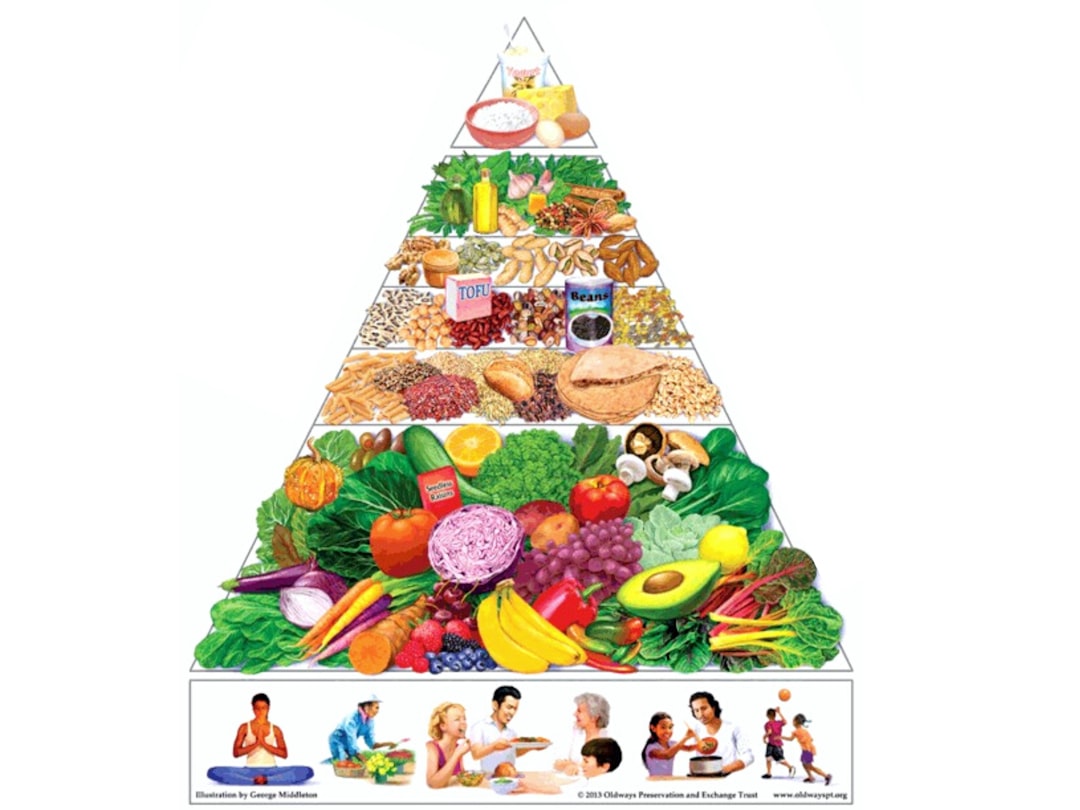
When it comes to a healthy life, most people think of just one area: eating well, exercising, or less stress… Yet in everyday life, these pieces often move forward in connection with one another. A small improvement in one area can create a positive chain effect in another. That’s why thinking of the “healthy living” approach as a whole that brings different headings together under one roof often offers a more sustainable path.
How Do the 5 Key Pillars of Healthy Living Work Together?
A practical way of this umbrella approach is to address five key pillars together: nutrition, movement, sleep, stress management, and habits. While each pillar is valuable on its own, the real difference usually emerges from the harmony between them. For example, more regular sleep can support appetite control during the day and exercise motivation; more balanced nutrition can make it easier to move by affecting energy levels. To establish a balance that suits you, noticing the “weakest link” and strengthening it with small steps can be a good start.
Nutrition: How and When You Eat as Much as What You Eat
Nutrition is related not only to “what you eat,” but also to “how and when you eat.” Skipping meals during the day may lead some people to snack more uncontrollably in the evening; for others, more planned snacks can help soften blood sugar fluctuations. Increasing variety on the plate—placing vegetables and fruit, whole grains, adequate protein, and healthy fats in a balanced way—generally supports staying full longer. Noticing water intake and eating speed can also help you hear the body’s hunger and fullness signals more clearly.

Movement: A Sustainable Routine with Activities Spread Throughout the Day
Movement isn’t only about intense workout sessions; small activities spread throughout the day can also be valuable. Options such as short walks, taking the stairs, stretching breaks, or being more active at home can create a good balance, especially for people who work at a desk. While some people benefit from regular strength training, for others, dance, swimming, or Pilates may feel more sustainable. The critical point here is choosing a form of movement that increases the sense of being able to “do it” and “keep doing it.”
Sleep: Supporting Daily Performance with Sleep Hygiene
Sleep is a key pillar that many people neglect, yet it can noticeably affect daily performance. Going to bed late or waking up frequently can make it harder to focus the next day and can influence appetite signals. Small adjustments to sleep hygiene may help: reducing screen time before bed, not leaving caffeine for late hours, and making the room’s light and temperature more comfortable. Since the amount of sleep each person needs can vary, observing the range in which your body feels rested can be a helpful guide.

Stress Management and Habits: Ways to Increase Consistency
Stress may be difficult to eliminate completely, but how it is managed can significantly affect quality of life. Prolonged intense stress can strain digestion, sleep patterns, and motivation in some people. Practices such as short breathing exercises during the day, spending time in nature, unloading thoughts by writing, or a few minutes of meditation can support relaxation. Separating stressors into “what I can control and what I can’t” can also help make energy use more efficient.
Habits are like the invisible bond that holds all these pillars together. Because healthy living is often shaped not by one-time decisions, but by repeated small choices. To make habit formation easier, it can help to shrink the goal, identify triggers, and tie the behavior to a daily routine. For example, pairing walking with a clear context like “10 minutes after lunch,” using a visible bottle on the desk as a reminder to drink water, or doing some prep work to make vegetables more practical can increase consistency.
What these five key pillars have in common is aiming not for perfection, but for consistency. Slipping from time to time is normal; what matters is being able to restore balance. When evaluating yourself, the question “Which pillar can I strengthen a little today?” can nourish a solution focus instead of guilt. Also, rather than trying to spread change across every area all at once, starting with one or two points and gradually expanding can produce more actionable results for most people.
In conclusion, when nutrition, movement, sleep, stress management, and habits come together, a more holistic healthy-living framework emerges. This framework can make it easier to see many topics covered in Motiva’s different categories within the same picture. Choosing the step that suits you best and starting with a small experiment can create a foundation that can turn into a more solid routine over time.