
How to Strengthen the Gut Microbiome: Fiber, Fermented Foods, and Lifestyle Strategies
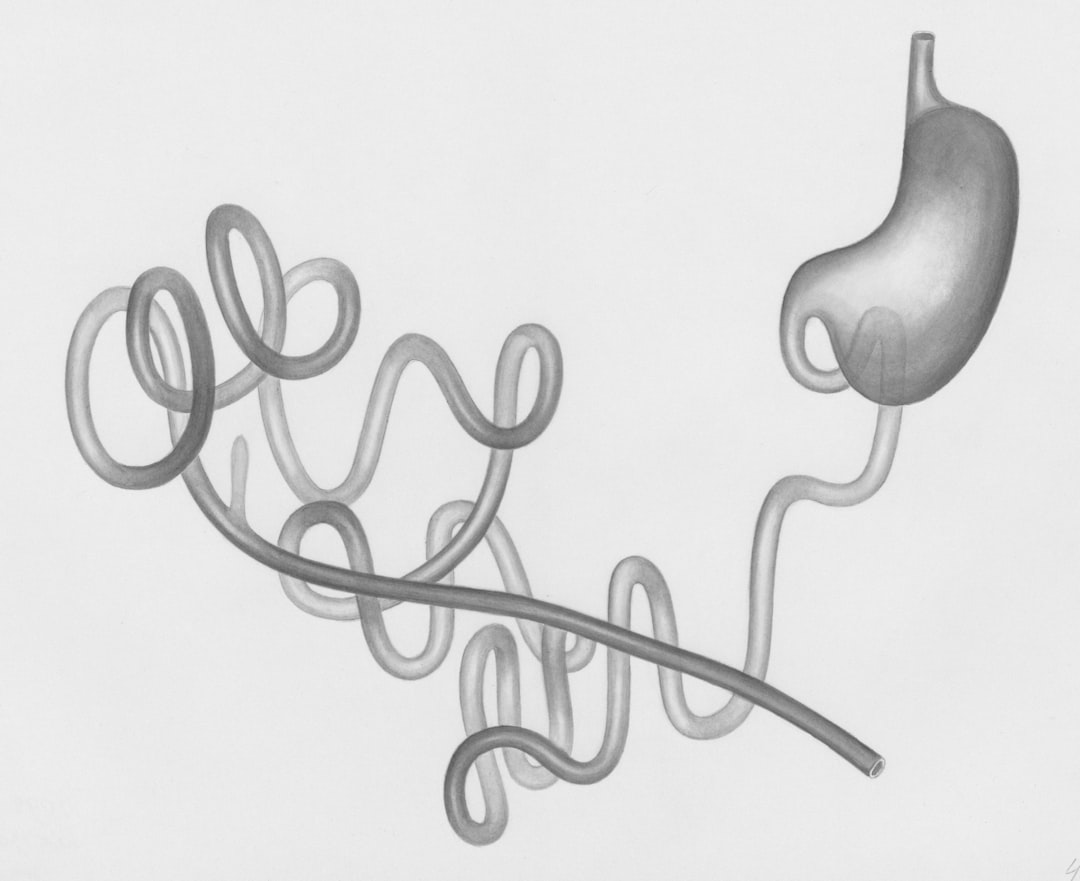
What is the gut microbiota and why is it important?
The gut microbiota can be thought of as a large ecosystem made up of numerous microorganisms living in the digestive system. This community can change over time with dietary habits, sleep patterns, stress levels, and daily routines. When people talk about “strengthening” the microbiota, they generally mean supporting diversity and trying to create a gut-friendly environment.
How can fiber intake support the microbiota?
One of the most frequently discussed topics regarding the microbiota is fiber intake. Fiber includes plant components that the body has difficulty digesting; therefore, more of it can reach the large intestine and can serve as a food source for some beneficial bacteria. Regular fiber intake may support bowel regularity in some people and may contribute to a feeling of fullness.
When increasing fiber, aiming for variety can often be more meaningful. Whole grains, legumes, vegetables, fruits, nuts, and seeds contain different types of fiber; this can make room for different bacteria to be nourished. For example, alternating choices such as oats and fruit one day, and a chickpea salad or vegetable bulgur on another day, can help you move forward without relying too heavily on a single source.
Increasing the amount of fiber all at once may not always feel comfortable. Some people may experience increased bloating or gas; in that case, increasing gradually and monitoring the body’s response can provide a more comfortable transition. While increasing fiber intake, keeping water consumption balanced may also help support more regular bowel movements.
Fermented foods and ways to add them to your daily routine
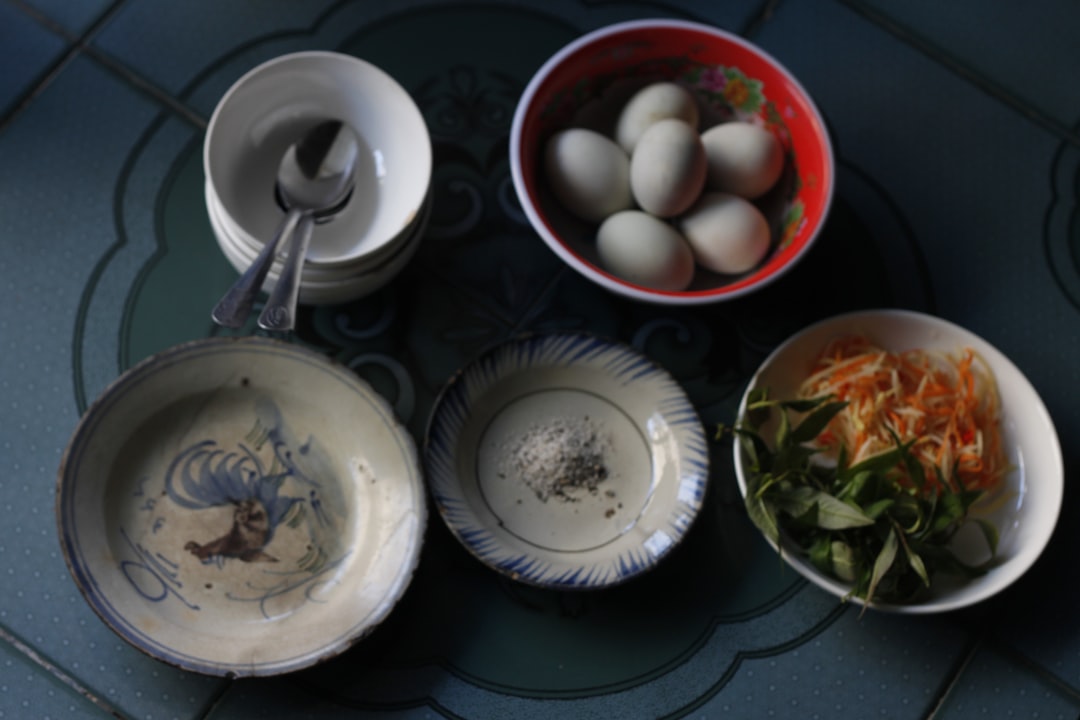
Fermented foods are another topic of curiosity when it comes to the microbiota. Fermented products such as yogurt, kefir, sauerkraut, kimchi, and tempeh may contain live cultures depending on how they are produced. These foods may support digestive comfort in some people; however, not every product has the same live bacteria content, and individual tolerances can vary.
When adding fermented foods to your daily routine, starting with small portions is often easier. For example, adding a few spoonfuls of yogurt to a main meal or choosing kefir as a snack can be a practical start. Since hygiene conditions are also important for homemade or unpasteurized products, obtaining them from reliable sources can be considered a sensible approach.
Prebiotics, processed foods, and balanced nutrition choices
Another way to support the microbiota is to make room for choices that “feed good bacteria.” Foods such as onions, garlic, leeks, asparagus, Jerusalem artichoke, bananas (especially not overly ripe), oats, and legumes may contain components that can have prebiotic properties. When consumed in appropriate amounts and adjusted to the individual, such foods may have the potential to support microbiota diversity.
When sugary snacks and ultra-processed foods become more frequent in daily choices, digestive complaints may increase in some people. Instead, building meals around more “basic ingredients”—that is, balancing vegetables, whole grains, legumes, quality protein, and healthy fats—can create a more supportive foundation. The goal here may not be a perfect plan, but rather establishing a sustainable routine.
Water, movement, sleep, stress, and what to pay attention to after antibiotics

Drinking enough water and engaging in regular movement can also affect bowel habits. Short walks, stretching, or light exercise during the day may support bowel movements in some people. Especially on days spent sitting for long periods, small movement breaks can also feel relieving for digestion.
Sleep and stress management are two lifestyle areas frequently mentioned in studies related to the microbiota. During periods of irregular sleep or intense stress, the digestive system may feel more sensitive. Small steps such as breathing exercises, spending a short time in nature, reducing screen time, or simplifying a sleep routine may indirectly support gut comfort.
While there may be situations where antibiotics are necessary, these medications can also affect gut bacteria. Therefore, when medication use is involved, following a physician’s advice and then focusing on rebuilding dietary variety afterward may be a beneficial approach for some people. In cases of digestive complaints that last a long time or make daily life difficult, it is important to consult a healthcare professional.
In summary, supporting the gut microbiota is generally associated not with a single “miracle” food, but with fiber variety, trying fermented products in moderation, and making more balanced choices in daily life. Small but consistent steps can help you build a more sustainable routine over time. Moving forward by observing your own tolerance and seeking expert support when needed can make this process safer and more personalized.