
How to Reduce Chronic Stress: Breathing, Walking, and Routine Strategies

The pace of daily life, uncertainties, and responsibilities can accumulate over time and increase the feeling of chronic stress. This situation may not always stem from a single cause; sometimes small but constant pressures can lead the body and mind to remain “on alert” all the time. The good news is that accessible habits such as breathing exercises, walking, and designing a simple routine can help make the stress load more manageable for some people.
Symptoms of Chronic Stress and the Risk of Normalization
The most challenging aspect of chronic stress is that it can become normalized without being noticed. Signals such as fluctuations in sleep quality, impatience, difficulty focusing, or physical tension can remind you that the system needs rest. At this point, the goal may not be “to eliminate stress completely,” but to create small intervals throughout the day that let the nervous system breathe more often.
Breathing Exercises for Stress Management
Breathing can be seen as a quickly accessible tool in stress management because it is a rhythmic process that directly affects the body. Especially slowing down and lengthening the breath can support a sense of calm in some people. As a short experiment, gently inhaling through your nose and focusing on exhaling over a slightly longer period—combined with relaxing your shoulders and releasing the jaw—can create a foundation that helps reduce tension.
To make breathing practice sustainable, instead of looking for the “perfect technique,” it may be more effective to choose small moments that can be placed into the day. For example, taking one minute just before turning on the computer, before entering a meeting, or at the door as you come home can make it easier for the habit to stick. In this way, breathing can stop being a method used only in difficult moments and turn into a regular regulator of balance.
The Role of Walking in Reducing Stress
Walking can be an easily accessible option that may help disperse the burden of stress that accumulates in the body. In particular, walking at a brisk pace that doesn’t completely stop you from talking can help thoughts flow more smoothly and reduce mental constriction for some people. Even a short step outside can make a difference in breaking the sense of overwhelm created by staying indoors for a long time.
Small details can matter in increasing the benefits you get from walking. Choosing a greener route, silencing the phone, or dedicating the first five minutes solely to noticing your surroundings can help the mind shift out of “to-do list” mode. If going outside is difficult, options such as small adjustments at home to increase your step count or using the stairs more can also be supportive.
Routine Design for Chronic Stress and Reducing Decision Fatigue
Routine design is an approach that is often overlooked but can be effective in coping with chronic stress. A routine may not mean squeezing the day into a rigid schedule; rather, it can be thought of as building a simple framework that reduces decision fatigue and makes the flow of the day easier. Such a structure can soften the feeling of “everything is coming down on me” for some people.
When building a routine, the approach that most often works is to identify a small “fixed point.” A simple start—such as opening the curtains upon waking, drinking a glass of water, stretching for two minutes, or delaying the first screen use of the day—can make the rest of the day feel more orderly as well. The critical point here is that the goal should be easy to apply and not fall apart completely even if conditions change.
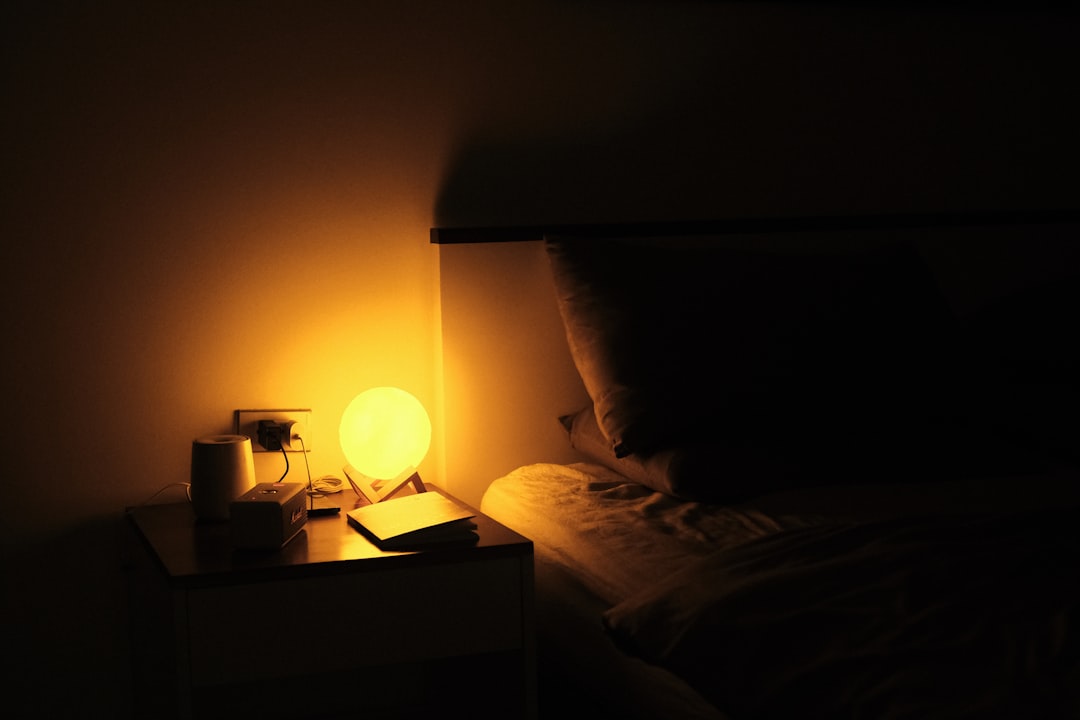
In the evening, transition rituals can be supportive in reducing stress accumulation. Instead of immediately diving into an intense stream of screens after work, adding a short walk, a light tidying-up, or a calm breathing break can help draw a boundary between “work mode” and “rest mode.” Reducing light before sleep and slowing the pace of the last part of the day can also make it easier for some people to fall asleep.

Combining Breathing, Walking, and Routine: Building a Sustainable System
A practical way to combine breathing, walking, and routine design is to connect these three areas so that they feed into one another. For example, starting the first minute of your walk by focusing on your breath, adding a short stretch when you return home, and then moving into your evening routine can give the mind a sense of “completion.” In this way, instead of a single habit, a small system is established that shares the stress load.
For sustainability, it is important to set the right scale. Instead of very ambitious goals, a short walk a few days a week, two brief breathing breaks a day, and a single fixed routine step can increase consistency for most people. On days when you struggle, the approach of “I did the smallest piece” rather than “I couldn’t do it all” can help maintain motivation.
In conclusion, efforts to reduce chronic stress can gain strength through small but regular touches rather than big changes. Slowing the breath, moving the body with walking, and building a routine that reduces decision load can support a more balanced, calmer daily flow for some people. Finding what suits you through trial and error, updating methods as needs change, and seeking support from a professional when necessary can make this process safer and more manageable.