
How to Lower Blood Pressure and Cholesterol: Walking, Diet, and Lifestyle Strategies
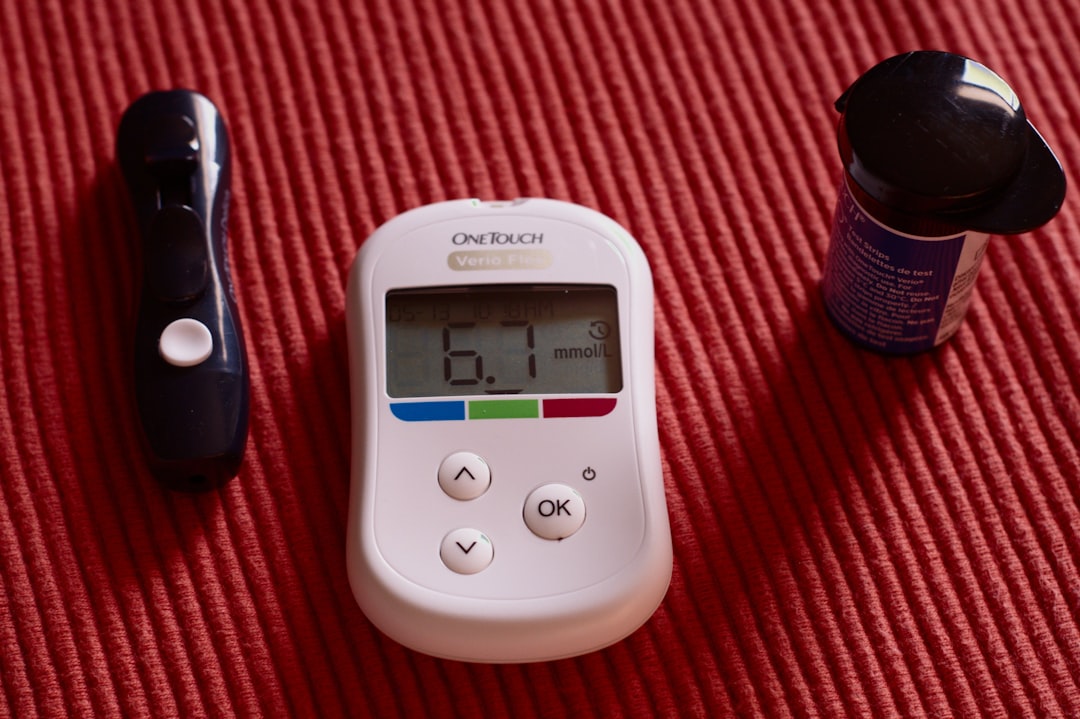
Heart health may be closely related to the small choices made every day, rather than being a topic that only comes to mind “when a problem arises.” Since blood pressure and cholesterol values can be influenced by lifestyle over time, adjusting daily habits offers a supportive approach for many people. In this article, we will outline a more sustainable roadmap by focusing on practical steps—from a walking routine to eating patterns.
How to Monitor Blood Pressure? Regular Measurement and Tracking the Trend
One of the points that can make the biggest difference on the blood pressure side is the habit of regular monitoring. If you measure at home, taking readings within the same time window and after a short rest may help you see more consistent results. Since fluctuations in values are possible for everyone from time to time, tracking the overall trend rather than a single measurement—and consulting a health professional when needed—may be a more meaningful approach.
Ways to Reduce Salt: Hidden Sources of Salt and Gradual Reduction
Reviewing daily salt intake may be one of the first steps for many people who want to support their blood pressure. Here, it can be useful to notice not only the salt added to meals but also “hidden salt” sources such as ready-made sauces, packaged snacks, deli products, and pickles. Since taste can adapt over time, gradually reducing salt instead of cutting it out all at once—and boosting flavor with options like spices, lemon, garlic, and vinegar—may feel more sustainable.
Cholesterol-Supportive Nutrition: Fiber, Healthy Fats, and Balance

When it comes to cholesterol, a balanced plan is often easier to follow than a list of “bans.” Fiber-rich foods (vegetables, fruits, legumes, whole grains) may help some people manage blood lipids better. Similarly, unsaturated fats from sources such as olive oil, avocado, nuts, and fish can support overall diet quality and offer a positive framework for cardiovascular health.
Sugary drinks and refined carbohydrates can be an area worth paying attention to, since they may be related not only to weight management but also to blood lipids. If you often feel hungry and crave sweets during the day, adding protein and fiber to meals can help reduce blood sugar fluctuations. This, in turn, may indirectly make it easier to choose more balanced snacks.
How to Build a Walking Routine? Pace, Consistency, and Practical Tips
A walking routine can be considered a good starting point for many people who want to support heart health, because it is accessible. Setting the pace with a simple criterion like “you can talk but struggle to sing” can help you progress without overexerting yourself. If you sit for long periods, instead of aiming for one long walk at a time, even short walking breaks spread throughout the day can provide meaningful movement.
The details that make a routine stick are usually small: going out at the same time, choosing comfortable shoes, picking a nearby park route, or pairing the walk with a phone call. When the weather isn’t suitable, counting steps in a shopping mall or taking a short lap at home can also help maintain consistency. The goal here is not a “perfect plan,” but building a routine you can return to even if there are interruptions.
Stress, Sleep, and Habits: Lifestyle Topics That Affect Heart Health

Since stress and sleep can be associated with indicators such as blood pressure and heart rhythm, it may be helpful not to overlook these two areas of life. Short breathing exercises, small breaks during the day, reducing evening screen time, or creating a relaxation routine before bed may support more restful sleep for some people. Since sleep regularity is as important as sleep duration, trying to go to bed and wake up at similar times as much as possible can be considered.
Habits such as smoking and alcohol are also among the topics linked to cardiovascular health. Taking small and realistic steps in this area—for example, noticing triggers, planning alternative behaviors, or getting support—can make change more manageable. Since everyone’s circumstances are different, determining a personalized roadmap can often lead to more sustainable results.
In conclusion, blood pressure, cholesterol, and mobility are not independent of each other; they can be thought of as parts of daily life that can influence one another. Reducing salt and processed foods, making more room for fiber and healthy fats, turning walking into a consistent routine, and maintaining a sleep–stress balance can form a strong foundation for supporting heart health. Monitoring your own values with regular checkups and seeking expert advice when needed can also make this process safer and more personalized.