
Healthy Living With Micro Habits: What the 30-Day Plan Is and How to Follow It

An introduction to healthy living with the micro-habit approach
Healthy living is often associated with big goals, long lists, and the pressure to “do it all at once.” Yet for some people, small but consistent steps can provide a more sustainable start. The micro-habit approach can support moving toward a more balanced lifestyle over time, without putting too much strain on the daily routine.
A micro-habit aims to automate a behavior by repeating something very easy to do every day. The idea here is to choose a step so small that you can do it even when motivation fluctuates. For example, instead of “I will work out every day,” a goal like “30 seconds of stretching before brushing my teeth” can make it more possible to build consistency.
Laying the groundwork for a 30-day micro-habit plan
To make the 30-day plan easier to understand, you can think of the first days as “laying the groundwork.” At this stage, the aim is not to change life radically, but to make room for change. Using a notebook or a phone note to roughly track your bedtime, your energy level during the day, and your water intake can help you see which areas need more support.
First week: Improving sleep routine and increasing daily movement
For the first week, shifting the micro-habit focus to sleep routine can be a good start. Going to bed at the same time every day may not be realistic for everyone; instead, lowering screen brightness 30 minutes before bed, softening the room light, or trying a short breathing exercise can offer more achievable steps. Small rituals that make it easier to fall asleep can, over time, support building a more regular night routine.
Within the same week, it is important to keep the “micro” level when trying to increase movement. Instead of a 10,000-step goal, adding a 3-minute brisk walk at some point in the day may be more doable, especially on busy days. Small moves like taking the stairs for one floor instead of the elevator or standing during a phone call can increase total movement by the end of the day without you noticing.
Second week: Micro steps for balanced nutrition and water intake

In the second week, you can focus on small tweaks that make eating more balanced. Instead of major diet changes, adding a handful of vegetables to each main meal or occasionally trying the “half the plate vegetables” approach can help improve portion balance. The aim in this process is not to restrict, but to expand the options.
Water intake can also be easily strengthened with micro-habits. Drinking a few sips of water when you wake up, adding a glass of water before each coffee/tea, or keeping a bottle in constant view on the desk can make it easier to remember. In some people, regularly drinking water may make energy fluctuations more manageable.
Third and fourth week: Stress management, digital order, and sustainability
In the third week, small routines that support stress management and mental well-being may come to the fore. Creating 60-second “pause” moments during the day—relaxing the shoulders, taking three deep breaths, or briefly looking out a window—can help reduce the feeling of being overwhelmed. Instead of very long meditations, short but frequent practices may feel more sustainable, especially for beginners.
At this stage, digital habits can also be an important part of the transformation. If turning off notifications completely is challenging, reducing notifications for only certain apps or creating 15 minutes of “phone-free time” before bed can offer a good intermediate step. A day with fewer interruptions can make room for the planned habits.
The fourth week can be dedicated to bringing the previous steps together and turning them into an “identity habit.” In other words, developing a more inclusive perspective like “I’m someone who tries to take good care of myself” instead of “I want to live healthy” can support the continuity of behaviors. In this period, linking micro-habits to the same triggers (for example, a short walk after breakfast, water after lunch) can make things more automatic.
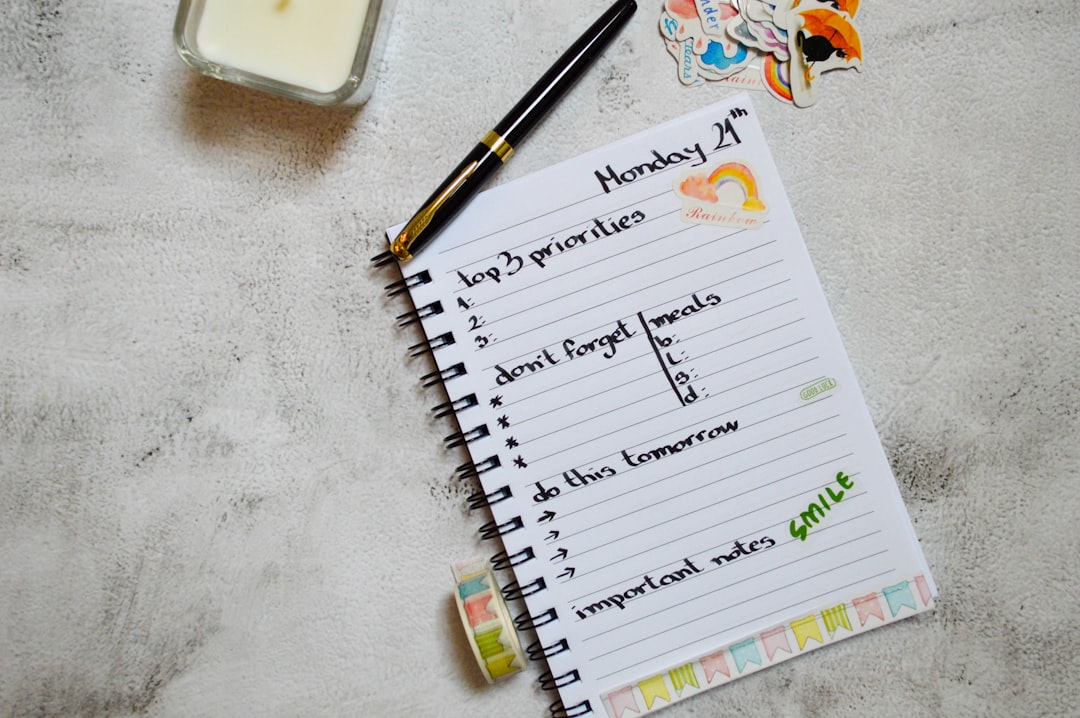
While progressing over 30 days, keeping measurement and evaluation simple may be more beneficial for most people. Even answering just two questions each evening may be enough: “What went well today?” and “What can I shrink to make tomorrow easier?” This approach can strengthen learning while preventing perfectionism.
It’s normal to have days when motivation drops; at such times, an “smallest version” plan can work. For example, if you can’t go for a walk, doing 60 seconds of stretching; if you couldn’t prepare vegetables, adding just one fruit to a meal—options like these can help keep the chain from breaking. It should not be forgotten that even a small step preserves continuity.
When personalizing the plan, it is important to take daily living conditions into account. In situations such as shift work, life with children, or an intense work pace, the duration and timing of micro-habits can be made more flexible. The goal here is not to find the ideal routine; it is to choose feasible small behaviors that adapt to your day.
At the end of 30 days, the most valuable gain is usually not “being able to do more,” but “starting more easily.” In this process, you can keep the micro-habits that work and sustain them by shrinking the ones that feel difficult even further. Over time, the accumulation of small steps can form a solid foundation that supports a more balanced lifestyle.