
What Is Sleep Quality? Its Impact on All-Day Energy and How to Improve It

Feeling energetic throughout the day often can’t be explained only by “how many hours we slept”; how clear the mind is when we wake up, how rested the body feels, and how well attention can be sustained during the day also provide important clues. At this point, sleep quality—independent of sleep duration—may be one of the main factors that determines the feeling of being rested.
What Does Quality Sleep Mean?
Quality sleep means more than simply getting into bed and keeping your eyes closed until morning. It can usually show itself through signs such as falling asleep in a shorter time, being interrupted less during the night, being able to wake up toward morning without lingering in light sleep for a long time, and feeling “recovered” upon waking. Since everyone’s sleep pattern is different, recognizing your own baseline is often more meaningful when evaluating quality.
Sleep Stages and the Role of Nighttime Fragmentation
An important topic that comes to mind when talking about sleep quality is the stages of sleep. Sleep progresses in cycles of varying depth throughout the night; some stages may support physical recovery more, while others may better support mental restoration. Frequent interruptions of these cycles can contribute to waking up tired in the morning, even if the total duration looks good.
Frequent awakenings during the night may not always be noticed. Some people remember getting up to use the bathroom, while others don’t recall brief awakenings at all; still, these small disruptions can reduce the process of sleep “deepening.” As a result, situations such as feeling unrested upon waking, tiring easily during the day, or having difficulty focusing may occur.
The Relationship Between Sleep Quality and Daytime Energy
The relationship between sleep quality and day-long energy often reveals itself in how the morning starts. After a more balanced night of sleep, the body may feel more willing to move and mental resilience may feel a bit higher. Conversely, after fragmented or restless sleep, experiences such as an increased need for caffeine, getting bored quickly even with small tasks, or low motivation may occur.
Evening Routine and Environmental Factors That Affect Sleep Quality
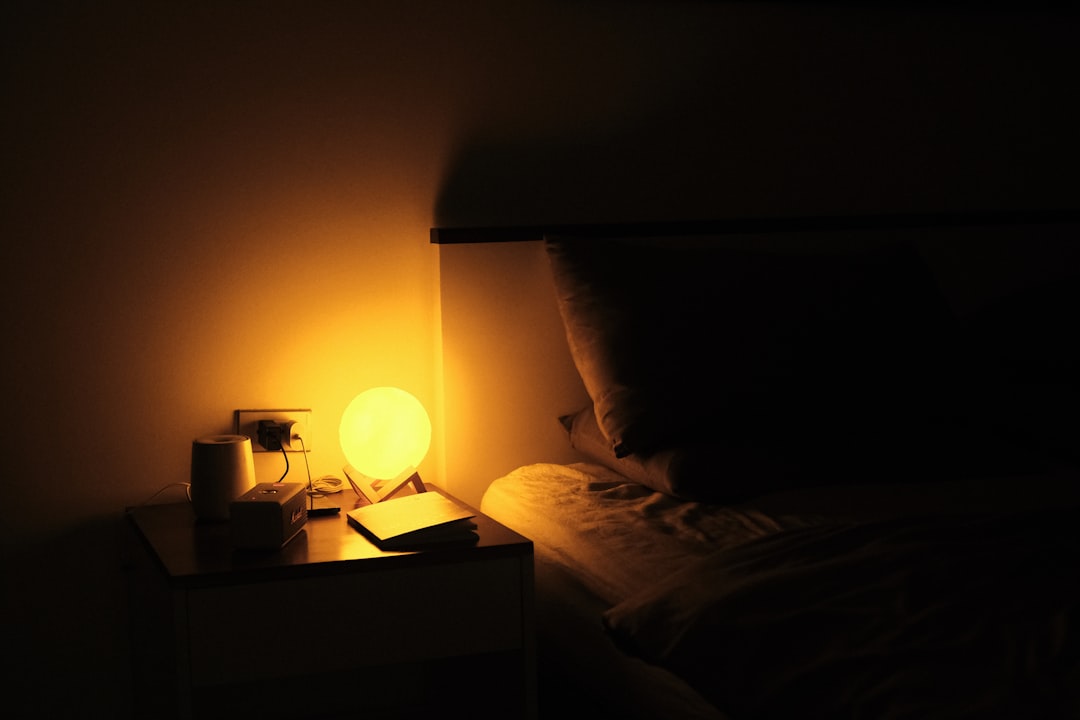
One factor that can affect quality is the transition into sleep. When you get into bed and the mind is still operating in “day mode,” it can make falling asleep harder, and this can also affect the rest of the night. For this reason, slowing the pace a bit in the last part of the day can help make the transition to sleep smoother.
Light, especially in the evening hours, can be an important determinant. Bright ambient light or prolonged exposure to screens may, for some people, seem to reduce sleep pressure; this can delay falling asleep or make sleep more shallow. Gradually reducing light before bed and easing screen use can help support a calmer transition.
The sleep environment is also a practical area that can directly affect quality. Factors such as the room being too warm, bothersome airflow, noise, or a mismatch between pillow and mattress can lead to micro-awakenings throughout the night. Trying to create an environment that can be considered darker, quieter, and cooler may contribute to sleep progressing with fewer interruptions.
Carrying daytime stress into the night is also common. Issues that constantly occupy the mind can increase physical tension while falling asleep; this can reduce the feeling of rest. Methods such as a short walk in the evening, relaxation exercises, a warm shower, or gentle stretching may support relaxation for some people.
Supporting Sleep Quality with Nutrition, Routine, and Daily Habits

What we eat and drink can also indirectly affect sleep quality. Late heavy meals, very spicy foods, or drinking too much fluid can make the night more prone to interruptions. Although the effects of caffeine and similar stimulants vary from person to person, reducing consumption later in the day can help make it easier to fall asleep.
Routine may be an unseen but powerful part of sleep quality. Going to bed and waking up at very different times each day can confuse the body’s rhythm of preparing for sleep; this can make it harder to deepen sleep on some nights. When possible, aiming to sleep within similar time windows can support both time to fall asleep and morning freshness.
Daylight and movement can also lay the groundwork for nighttime quality. Getting daylight in the morning or around midday and doing light-to-moderate physical activity during the day may help some people fall asleep more comfortably at night. Intense exercise very late, however, may increase arousal in some people, so adjusting the timing based on your personal experience may be more appropriate.
One practical way to understand sleep quality is to keep small observations for a few weeks. Notes such as how refreshed you feel when you wake up, energy fluctuations during the day, evening caffeine intake, screen time, and your bedtime routine can make it easier to see which habits support you. This way, you can answer more clearly the question “What does quality sleep look like for me?”
In general, quality sleep can be considered one of the cornerstones of feeling energetic throughout the day, because it can support not only rest but also mental renewal and emotional balance. Improving the sleep environment with small but sustainable changes, softening the evening pace, and organizing daytime habits can make a difference over time. If you are experiencing a marked difficulty with your sleep routine, have been waking up unrested for a long time, or your daytime functioning is noticeably affected, seeking support from a professional may also be a step worth considering.