
What Causes Energy Slumps During the Day? Ways to Reduce Afternoon Fatigue
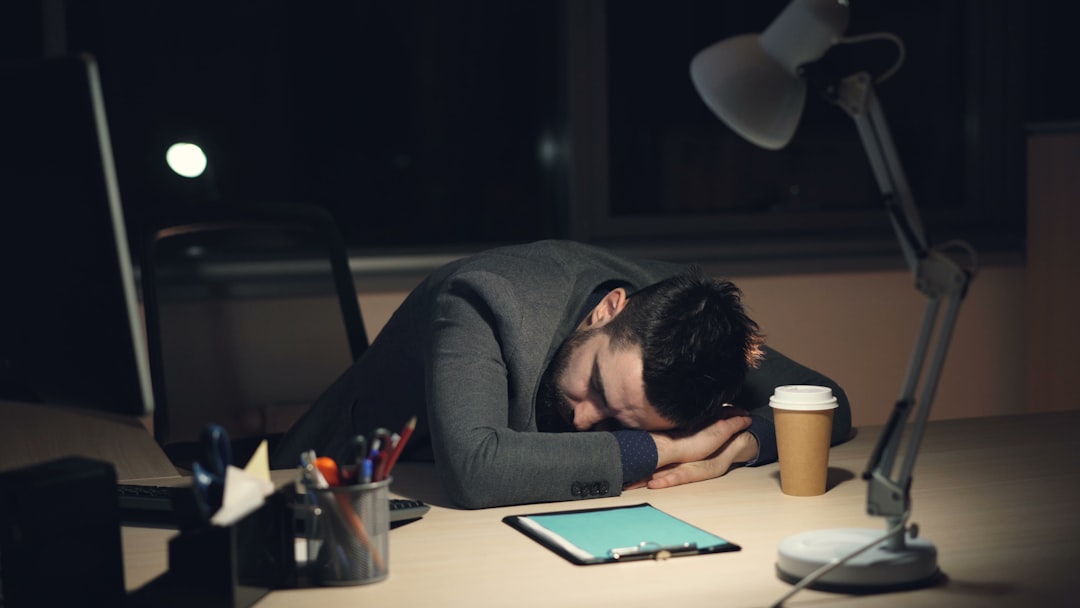
Experiencing fluctuations in energy throughout the day is a familiar situation for many people. Especially the feeling of heaviness that comes in the afternoon, distraction, or decreased motivation can make daily plans challenging. These ups and downs may not be tied to a single cause; eating patterns, sleep routine, and daily habits can come together to affect energy levels.
Afternoon Fatigue and Natural Energy Rhythm
Afternoon fatigue can often be linked to the body’s natural rhythm. Alertness levels can rise and fall at certain hours during the day; for some people, the post-lunch hours may pass with lower performance. In addition, intense mental effort, staring at a screen for long periods, or back-to-back meetings can also make the feeling of an “energy dip” more pronounced.
The Effect of Nutrition and Blood Sugar Fluctuations on Energy
On the nutrition side, one of the most frequently discussed topics is blood sugar fluctuations. A meal high in sugar or refined carbohydrates can provide a short-term feeling of vitality and then set the stage for a quicker drop afterward. Although not everyone responds the same way, it is observed that a more balanced plate can support a steadier sense of energy throughout the day.
In addition to what lunch contains, portion size can also matter. Because very large meals can cause more resources to be allocated to digestion, they may create drowsiness in some people. Even small changes such as more moderate portions, eating slowly, and chewing bites well can help you feel more comfortable in the afternoon.
Meals that include protein, fiber, and healthy fats together can help extend fullness and reduce sudden hunger. For example, vegetables, whole-grain options, legumes, protein sources such as yogurt/kefir, or fats like olive oil, avocado, and nuts can play a balancing role. This approach can support a more sustainable flow of energy, especially for people who say, “If I don’t snack on something, I can’t stay on my feet.”
Snacks can also be decisive in energy management, but the goal is not to eat constantly; it is to plan according to need. When you go hungry for long hours, the tendency to eat quickly and in large amounts at the next meal can increase; this can create sluggishness afterward. A more balanced snack choice—for example, a small combination containing protein and fiber—may provide more stable focus for some people.
Balancing Energy with Water Intake and Caffeine Timing
Fluid intake is often an overlooked factor. Even mild dehydration can be felt as fatigue, headache, or difficulty concentrating. Creating small routines that remind you to drink water during the day can be a practical answer to the question “why did I get tired,” especially at a busy pace.
Caffeine, on the other hand, can be thought of as a double-edged aid. While coffee or tea helps some people regain focus, consuming too much or shifting it to later hours can affect nighttime sleep and lead to waking up more tired the next day. Since caffeine’s effect can vary from person to person, it may be useful to monitor your body’s signals regarding both amount and timing.
Sleep Duration, Sleep Quality, and the Biological Clock
When it comes to sleep, one of the main reasons for energy dips can be sleep quality as much as insufficient sleep duration. Waking up frequently at night, eating a heavy meal late, intense screen exposure before bed, or irregular bed and wake times can increase the feeling of “I slept but I’m still not satisfied” in the morning. This can pave the way for a wave of fatigue during the day, especially becoming noticeable in the afternoon.
Sleeping little on weekdays and trying to “pay off the debt” on weekends can cause the biological clock to shift in some people. This shift can create a sluggishness similar to the Monday blues and disrupt the day’s energy rhythm. A more consistent sleep–wake routine can contribute to a more predictable energy profile in the long term.
Daily Routines, Movement, Stress, and Short Rest Strategies

Daily routines are at least as influential as nutrition and sleep. Staying inactive for long periods can increase the feeling of muscle tension and mental sluggishness. Short walks, a few minutes of stretching, or small movement breaks during the day can be simple but effective steps that support focus and vitality in some people.
Getting out into daylight can also play a role in alertness. Getting natural light in the morning can help set the biological clock, thereby providing more balanced wakefulness in the later hours of the day. Even stepping outside for a short time in the afternoon can help refresh the mind.
Stress and mental load are among the unseen triggers of energy dips. The constant thought of “work that must get done” can mentally drain you even if the body is not physically tired. Mini breathing breaks during the day, short planning blocks, or breaking tasks into smaller parts can help support maintaining the feeling of energy.
Afternoon sleepiness can be managed for some people with a short rest. Instead of sleeping long, a short nap or simply closing your eyes and staying quiet can help you recover when adjusted in a way that won’t disrupt nighttime sleep. Of course, its effect can vary individually; if nighttime sleep is sensitive, a more cautious approach may be beneficial.
For sustainable energy management, a combination of small habits may be more realistic than one-off solutions. More balanced meals, drinking water regularly during the day, spreading caffeine out over time, adding movement breaks, and keeping sleep hours as consistent as possible can create a framework that supports overall energy for most people. What matters here is starting with one or two steps rather than making every change at once, and observing the effect.
In conclusion, energy dips during the day are generally shaped at the intersection of nutrition, sleep, and routines. Noticing which hours you dip the most, and looking at your food and drink choices and sleep routine before that time period, can be a good start. With small, practical adjustments, it may become possible to achieve a more balanced daily flow; if complaints become pronounced, consulting a professional for a personal evaluation can also be considered a supportive step.