
Does Evening Exercise Affect Sleep? Timing and Tips to Protect Sleep Quality
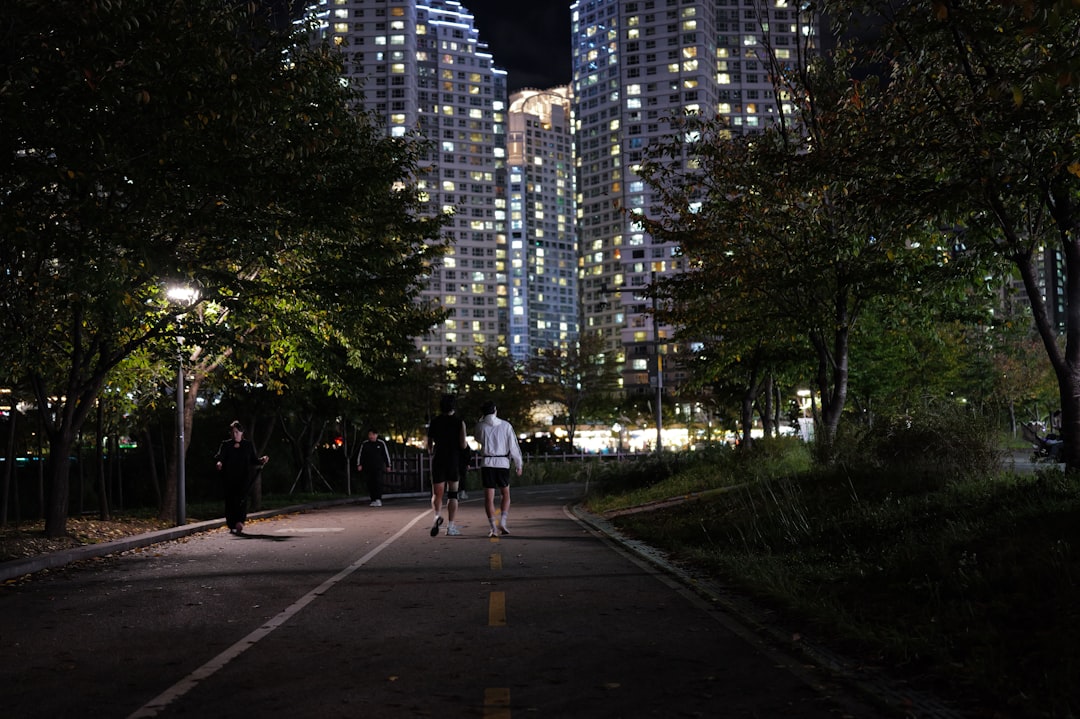
Why can evening exercise affect sleep differently?
For some people, working out at the end of the day feels like a relaxing “closing” ritual, while for others it can cause the mind and body to remain in motion even after getting into bed. A significant part of this difference may depend on the timing and intensity of the exercise and the person’s own biological rhythm. There is no rule that evening workouts will always impair sleep quality; however, under certain conditions, they can be observed to make it harder to fall asleep.
To understand exercise’s effect on sleep, it can be useful to look at the body’s signals for “getting ready for sleep.” While body temperature tends to gradually drop in the evening, an intense workout can raise temperature, increase heart rate, and elevate arousal levels. In some people, this can be accompanied by experiences like tossing and turning in bed, falling asleep late, or lighter sleep.
Evening workout options that may help sleep
On the other hand, for people who are inactive during the day or accumulate stress, a more moderate workout in the evening can help clear the mind and reduce tension. Especially activities like a brisk walk, light cycling, or stretching can support relaxation by giving the body the feeling of “I moved enough today.” The deciding factor here is whether the exercise calms you down or not.
How many hours before bed should you exercise?
When evaluating your workout time, a practical approach is to look at how close to bedtime you exercise. High-intensity sessions done right before bed (for example, very heavy strength training or intense interval runs) can make it harder for some people to fall asleep. In contrast, workouts completed a few hours before bedtime that don’t raise the heart rate excessively may create a more manageable effect for many people.
Late afternoon hours can be considered a productive window for performance for many people, because body temperature and muscles’ working capacity may feel more suitable during this part of the day. A workout in this time frame can be a balanced option, as it can both disperse the day’s stress and leave a “cool-down” buffer before bed. Still, personal tolerance differs; for some, even these hours may feel overly stimulating.
If you need to work out later in the evening, it may help to make the content of the session more sleep-friendly. Adding a longer warm-up and cool-down, focusing on controlling your breathing, and gradually lowering the pace at the end of the workout can help the body shift out of “high gear.” This can make it easier for your heart rate and body temperature to return to normal once you get into bed.
The effect of exercise type, nutrition, and light on sleep
The type of exercise is also decisive: Two different workouts done at the same time can feel completely different. While fast-paced cardio and competitive team sports can be more stimulating, light-to-moderate walking, Pilates, and yoga-like practices may provide a calmer transition. Observing which activity makes your body “rev up” and which one makes it “slow down” is one of the best guides here.
Another factor in how evening exercise may affect sleep is nutrition and fluid intake. Eating a heavy meal very late or turning to overly large portions after a workout can increase complaints such as stomach discomfort or reflux in some people, reducing sleep comfort. Choosing lighter, easier-to-digest options and limiting caffeinated drinks in the evening may support falling asleep for some people.
Light and screen exposure is also a detail that is often overlooked. The bright lights of gyms, lingering on the phone for a long time after a workout, or staying on social media can contribute to the brain receiving the signal that “daytime is still going on.” Reducing light after training, establishing a calmer routine, and shortening screen time can help with sleep hygiene.
Tracking for your personal sleep pattern and when to consult a professional?

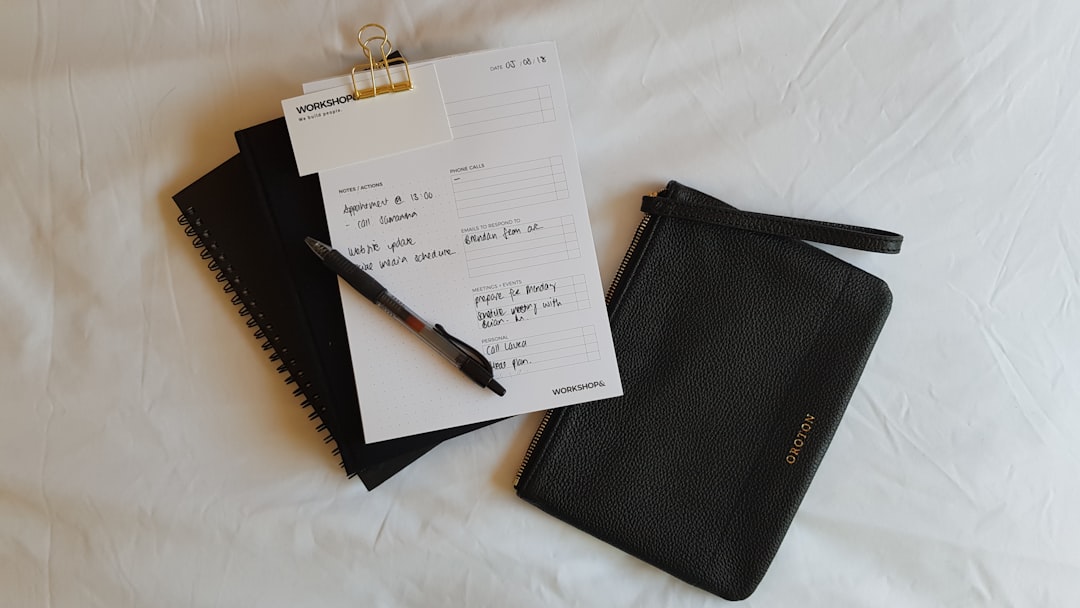
A practical way to understand whether evening exercise is causing a problem is to take small notes for a few days. Recording what time you worked out, how intense it was, how long it took you to fall asleep, how many times you woke up during the night, and how you felt in the morning can give you a personal “timing map.” This increases your chance of building a routine that fits your rhythm rather than relying on general recommendations.
In some people, late workouts can show more pronounced effects when combined with an intense work pace or irregular sleep hours. Also, if you experience situations such as snoring, a feeling of breathing pauses, frequent awakenings, or excessive daytime sleepiness, this picture may not be attributable only to exercise timing. In such symptoms, getting support from a professional can help you understand the source of the problem more clearly.
In conclusion, evening exercise does not have to be a habit that will inevitably impair sleep quality when planned correctly. While workouts that are very close to bedtime and high in intensity can increase arousal in some people, exercise moved to earlier hours or adjusted in intensity can support relaxation. Monitoring the signals your body gives and making small adjustments can help you stay active and create a more restorative sleep routine.