
What Is Posture Correction and Core Strengthening With Pilates, and How Does It Help?
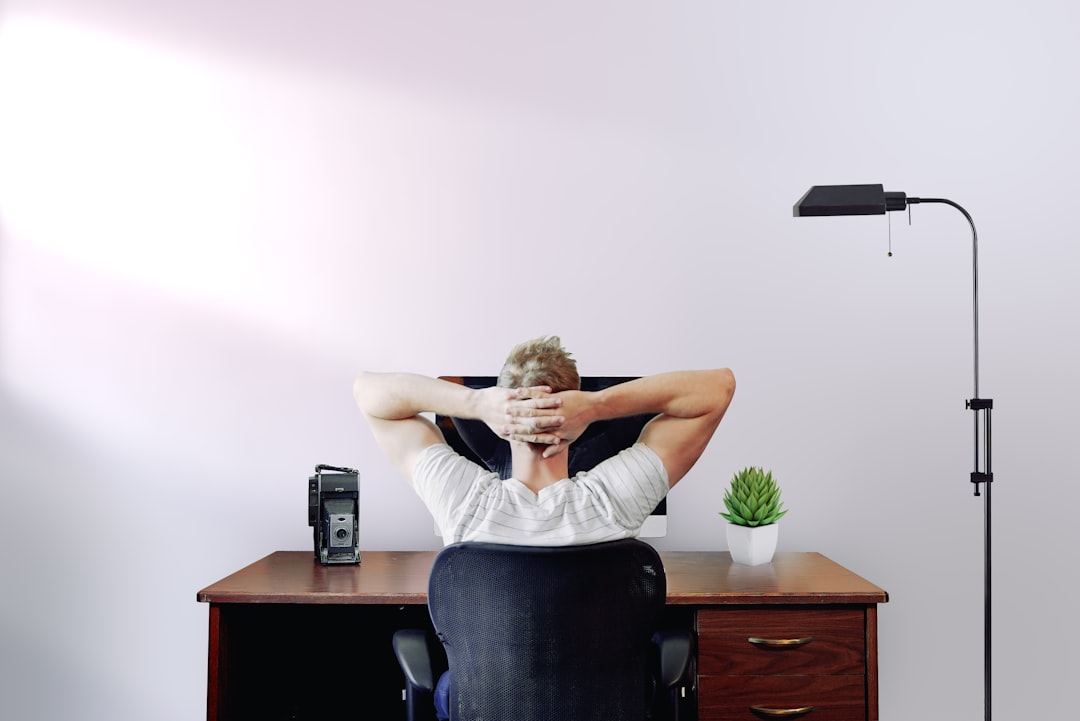
Sitting for long periods during the day, looking down at the phone, or staying inactive can affect posture over time. Even small changes such as the shoulders rounding forward, the lower back arching too much, or the head jutting forward can increase discomfort in the lower back and neck area in some people. With its structure that emphasizes body awareness, Pilates can support carrying posture in a more balanced way and using the central area called the “core” more efficiently.
Pilates’ Alignment Approach to Improving Posture
The first step in improving posture is to think of the idea of “correct posture” not as a pose, but as a state of balance that can be maintained while moving as well. Alignment, which is frequently emphasized in Pilates exercises, aims for harmony among the head, rib cage, pelvis, and feet. This approach can help develop a way of holding the body that strains it less in daily life—while standing, walking, or working at a desk.
What Is the Core Area? Increasing Central Stability with Pilates
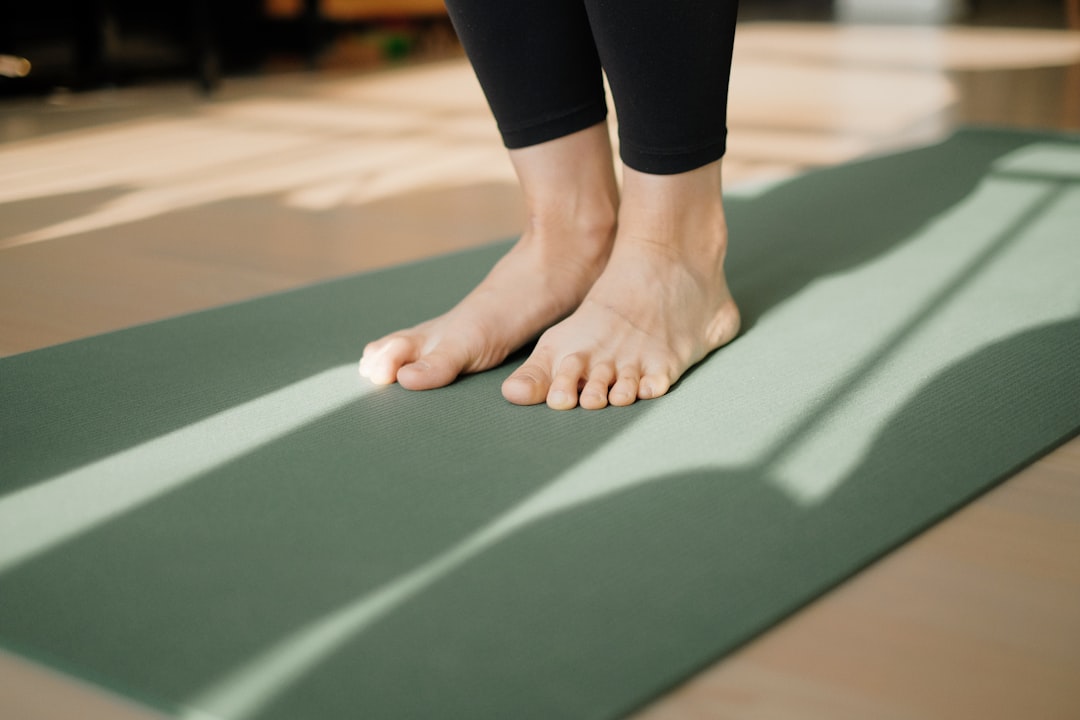
When people talk about core strength, only the abdominal muscles may come to mind, but it actually covers a broader area. When the abdominal region, the deep support muscles of the lower back, the diaphragm, the pelvic floor, and the hip area work together, the center can feel more stable. Because Pilates can teach using these muscle groups with controlled and sustainable activation rather than simply “tightening and releasing,” it can form a foundation that may help reduce unnecessary loading on the lower back.
Breath sits at the center of Pilates and can build a strong bridge between posture and core activation. Instead of forcing the breath to lift the chest upward, a balanced rhythm is aimed for in which the breath spreads into the ribs. For some people, this can make it easier to notice unnecessary tension around the neck and shoulders; thus, during movement, the load can be distributed more to large support areas such as the center and hips.
How Can Pilates Support Lower Back and Neck Discomfort?
One of Pilates’ important contributions regarding lower back and neck discomfort is that it encourages strengthening within a safe range through controlled movement. Especially for the lower back, small but correctly aligned repetitions may be better tolerated for some people than sudden and large movements. On the neck side, learning to carry the head by “lengthening” it without pushing the chin forward can help counterbalance the effects of the habit of leaning toward a screen.
Hip and Back Imbalances and Balance-Coordination Work
One factor that affects posture is imbalances between the hip and back muscles. Rather than working only with an abdominal focus, Pilates approaches that also strengthen the hip area and the mid-back can offer more holistic support. In this way, the position of the pelvis can become more balanced; excessive arching in the lower back or a tendency to hunch may decrease over time in some people.
Balance and coordination are among the areas that directly affect quality of daily life. In Pilates, slow and controlled transitions, unilateral work, and practices of staying stable in different positions are done. Such work can contribute to the body feeling safer, especially when climbing stairs, reaching for something, or making sudden changes of direction.
Starting Pilates: Proper Technique, Bringing It into Daily Life, and a Sustainable Plan
For progress with Pilates, the question of “how correct” rather than “how hard” can be decisive. Signs such as the lower back feeling compressed, the neck tensing unnecessarily, or the shoulders rising toward the ears while doing the movement may suggest doing the exercise in a smaller range or switching to a more appropriate variation. This approach can increase consistency and create a more stable basis for progress.
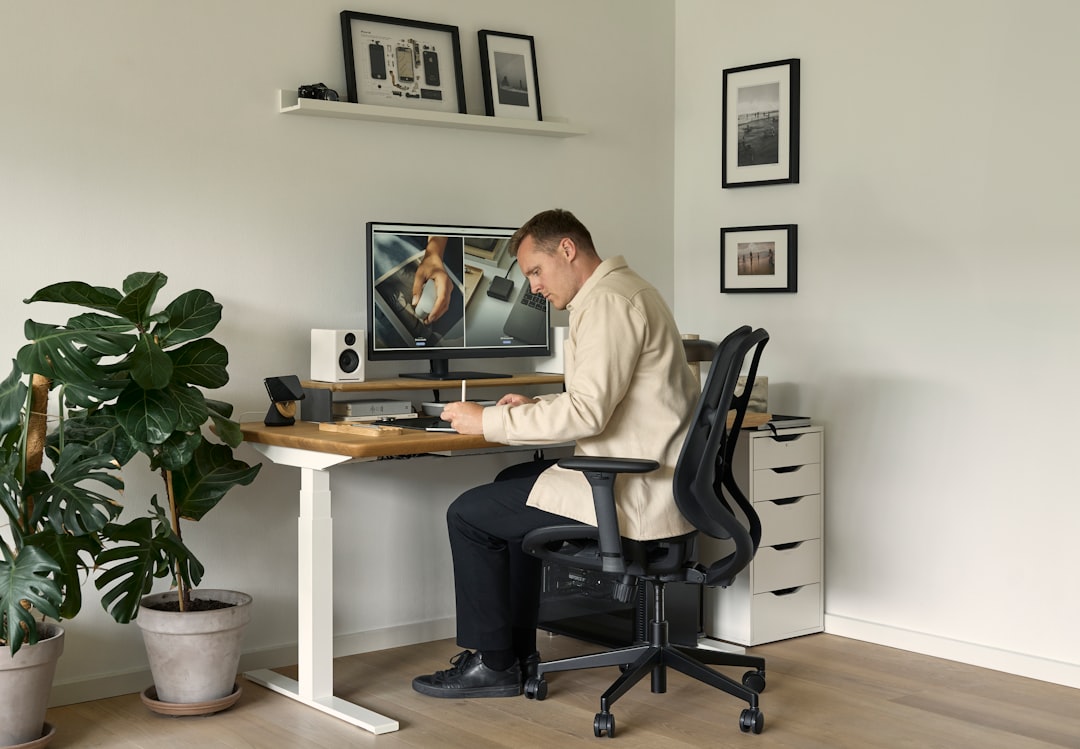
The part about carrying it into daily life is where posture change is most visible. For example, small adjustments such as keeping the feet in contact with the floor while sitting, bringing the screen closer to eye level, and gently aligning the ribs over the pelvis instead of “pulling” the shoulders back can help. The body awareness gained in Pilates can help make these micro-corrections more automatic.
For getting started, choosing a regular but manageable plan is more sustainable for most people. Short, focused sessions can be easier to adapt to compared to intense but infrequent workouts. If there is sensitivity in the lower back/neck area, a past injury, or a marked limitation, getting appropriate exercise selection and form feedback from a professional can make the process safer and more efficient.
In summary, Pilates can be seen as a method that may contribute to strengthening alignment habits that support posture, using the core area more functionally, and improving balance. For goals such as lower back and neck comfort, movement quality, and feeling more comfortable in daily life, progressing slowly and working with proper technique is often decisive. By paying attention to your body’s signals and practicing regularly, it can become possible over time to achieve a more balanced posture and a stronger sense of center.